How Much Does Invisalign Cost in Florida? (With and Without Insurance)
At a glance
- Florida average: $5,577 for clear aligners before insurance, according to a 2023 study for CareCredit, a healthcare financing company. The national average in the same study is $5,108.
- Your doctor sets the fee. Invisalign.com says the cost depends on how complex your case is and how many aligners you need, and that in most cases it’s comparable to the cost of braces.
- Insurance can help. Invisalign.com says many dental plans cover Invisalign the same way they cover braces, though limits apply (see below).
- Petrover Orthodontics doesn’t quote a set Invisalign fee. Your exact fee comes after a consultation and treatment plan.
- What’s included: our cost page says diagnostic records, appliances, retainers and follow-up appointments are all included in your treatment plan.
You’d like a number before you book a consultation, and that’s fair. The catch is that a price range on its own doesn’t tell you where it came from. The figure in the box above, $5,577, is the most specific one with a named source, but hold it loosely: CareCredit is a healthcare financing company, the average covers clear aligners in general rather than Invisalign alone, and it’s before any insurance.
The Florida average for clear aligners, and its limits
CareCredit’s page lists an average clear aligner cost for all 50 states and the District of Columbia, excluding any potential insurance coverage. Its footnotes say the figures come from research a market research firm conducted in 2023 on behalf of CareCredit. The page doesn’t publish a sample size or survey method, so there’s no way to tell how many practices or patients stand behind the Florida figure.
Within those limits, two things stand out in the 2023 CareCredit table. The $469 difference is our subtraction, not CareCredit’s:
- Florida is above the national figure. Florida’s $5,577 average is $469 more than the study’s 2023 national average of $5,108 for clear aligners.
- Location moves the number. State averages in the table run from $3,668 in Utah to $6,516 in Rhode Island, and CareCredit’s own page says the national cost can vary between $1,800 and $8,100 depending on where you are in the U.S.
What the average can’t tell you is what Invisalign itself costs (the study covers clear aligners generally), what fees look like in Palm Beach County, or what a practice includes in its price. Treat it as broad historical context, not as a benchmark for judging an individual quote.
Want a number for your own teeth?
Your exact fee comes from a consultation and treatment plan. Book a consultation, or call Wellington at (561) 795-3055 or Boynton Beach at (561) 364-0013.
What sets the price of Invisalign treatment
Align Technology, the company behind Invisalign, says on its Invisalign cost page that “Pricing is independently determined by the doctor and may vary based on your case.” It names two things your doctor weighs: how complex your case is and how many aligners you need.
The American Association of Orthodontists (AAO) makes a similar point about orthodontic treatment in general: costs are influenced by the type, complexity, and duration of treatment.
The AAO also says some orthodontists offer all-inclusive pricing, covering all appointments (including emergency visits) and post-treatment retainers, and it advises you to “ask what is included in the quoted price and what isn’t.”
Invisalign vs braces: how the cost compares
Invisalign.com says, “In most cases, the cost of Invisalign treatment is comparable to the cost of braces.” CareCredit’s page makes the same point, saying the cost of clear aligners “is about the same as braces.” Both are general statements, not a promise about any one practice’s fees.
If you’d like the braces side in numbers, our guide to how much braces cost in Florida sets out CareCredit’s averages for metal braces and its national figures by type. Our side-by-side of how metal, ceramic and Invisalign compare covers how each type works and how to choose. For a head-to-head on fit, daily life and cost, see Invisalign vs braces.
What Petrover Orthodontics publishes about cost
We don’t quote a set Invisalign fee. Our cost of treatment page has a section headed “What Will Braces or Invisalign Cost at Petrover Orthodontics?”, but the examples under it are grouped as comprehensive or limited treatment, not by appliance, so they aren’t an Invisalign price. They’re there to give you an idea of how costs might be structured.
Here’s what the page shows. Every example is a monthly figure with a $500 down payment. Down payments can vary, so ask what yours would be. For comprehensive treatment, it lists $190 to $250 a month without orthodontic benefits, and $140 to $190 a month with $1,500 of orthodontic benefits. For limited treatment, it lists $135 to $275 a month without benefits, and $20 to $150 a month with $1,500 of benefits. The page calls these “a rough ballpark” and adds: “Your fees could be less or more, depending on the complexity of the treatment needed.”
A few things to keep straight:
- They’re monthly figures, not totals. The page doesn’t say how many payments a plan runs, so multiplying a monthly figure by a guess won’t give you a real total.
- The accurate fee comes later. The page says we can only give an accurate fee for your treatment once we’ve done a consultation and treatment plan.
- What’s included matters as much as the monthly figure. The page says diagnostic records, the necessary appliances throughout treatment, retainers, and follow-up appointments are all included in your treatment plan.
Invisalign cost with insurance
Invisalign.com says many dental insurance plans cover Invisalign treatment the same way they cover braces, and that a plan may pay a percentage of the treatment or a set dollar amount. It adds that you may be covered up to $3,000 for orthodontic treatment. That is a figure from Invisalign’s published insurance information, not a universal insurance limit or a prediction of what your plan will pay. The footnote behind it cites OrthoFi data from calendar year 2021 on insured U.S. patients who used OrthoFi’s insurance verification tool, and their coverage averaged $1,772. That’s data the manufacturer reports.
FAIR Health’s guide to paying for orthodontics says plans that cover orthodontics “often pay up to 50 percent of the charge.” It adds that coverage is typically limited to children, that there’s often a lifetime maximum, and that the lifetime maximum is usually separate from the yearly maximum for other dental care. If you’re an adult, check first whether your plan covers orthodontics at all.
The AAO suggests asking your insurer about the percentage covered, any lifetime maximum or age limit for orthodontic coverage, and whether your orthodontist needs to be in-network. For the wider picture, see our explainer on how orthodontic insurance coverage works.
Our payment and insurance page says our team verifies your orthodontic benefits before you begin and files all claims on your behalf, and that we work with most PPO plans.
Invisalign cost without insurance, and other ways to pay
Without an orthodontic benefit, you pay the fee yourself, so how it’s spread out matters. These are the routes to ask about:
- Financing. Our cost page says we offer interest-free financing options, customized to your budget, and our payment page adds in-house financing with auto-pay. Ask which options are interest-free and what your down payment would be.
- Discounts. Our payment page lists family and sibling discounts and pay-in-full savings. The AAO notes that some practices discount for upfront payment, family members starting together, or referrals, so ask any office you’re comparing.
- HSA or FSA. Invisalign.com says you can use your FSA or HSA to pay for Invisalign treatment. IRS Publication 502 includes braces in its description of dental treatment but doesn’t name aligners, so check your plan’s terms. We’re HSA/FSA friendly, and our payment page says we’ll provide everything you need for reimbursement.
- Florida Medicaid, for those under 21. Florida’s Agency for Health Care Administration lists orthodontic treatment among the dental services Medicaid reimburses for recipients under 21, with eligibility based on medically necessary dental services. It isn’t on the list for adults 21 and over, and the page doesn’t mention aligners. Florida’s Medicaid managed care site says dental services are delivered through a dental plan. Ask your plan what it covers, and ask any orthodontic office whether it accepts your plan.
Questions that make two Invisalign quotes comparable
Take these to any consultation, ours included, so two quotes compare like with like:
- What’s the total fee, and how is it split? Ask for the full treatment fee, the down payment, the monthly amount, and the number of payments. A lower monthly figure spread over more payments isn’t necessarily a lower price.
- What’s included? Records and scans, the aligners, check-in visits, retainers after treatment, and replacement or additional aligners if you need them, including what happens if one is lost or cracked.
- Which treatment is being quoted? Comprehensive or limited, and Invisalign or another appliance.
- How will my insurance be applied? Ask whether the office is in-network, whether it files claims for you, and how your lifetime maximum and any age limit affect what you’ll pay.
- Is the financing interest-free, and which discounts apply to me? Paying in full, siblings in treatment, or referrals.
Your next step: an exact fee at a consultation
An average can only take you so far.
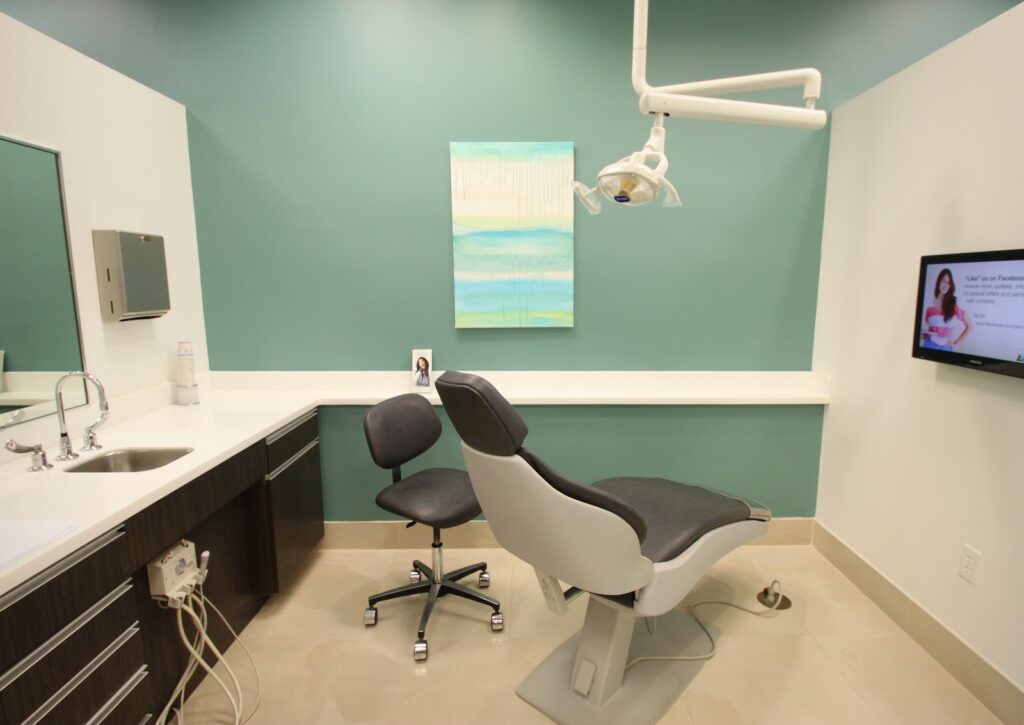
Our payment page says your first visit includes a full orthodontic exam and any needed digital X-rays, a one-on-one consult with Dr. Jonathan Petrover, one clear, all-inclusive price, and a custom payment plan built around your budget and timeline. You can start with Invisalign in Wellington or Invisalign in Boynton Beach, or call Wellington at (561) 795-3055 or Boynton Beach at (561) 364-0013. Bring the questions above with you.
Frequently asked questions
How much does Invisalign cost in Florida without insurance?
Is Invisalign more expensive than braces?
How much will dental insurance pay toward Invisalign?
Can I use my HSA or FSA for Invisalign?
Does Florida Medicaid pay for Invisalign?
