How Long Do Braces Take for Adults? A Realistic Timeline
The American Association of Orthodontists says most people have their braces for 12 to 24 months. That figure covers braces patients in general, not adults specifically. At our practice, braces usually take about 18 to 24 months, though this will vary depending on your individual case. For adults, the AAO adds only that treatment may run longer, because adult teeth are set more firmly in the jaw and take more time and pressure to move. So those ranges are where your estimate starts. Here’s what decides where your own case lands, and what can quietly stretch it.
Why nobody can give you one number
No web page can tell you your own number, because a single figure would just be a guess at your teeth. What moves a timeline is the size of the job. Closing one small gap at the front of your mouth isn’t the same piece of work as correcting a bite where the top and bottom teeth meet in the wrong places. The second one takes longer, because there’s more tooth movement to do.
Age plays a part, but it isn’t the only factor. Teeth move because the bone around them remodels, and healthy bone keeps doing that right through adult life, which is why braces aren’t just for teenagers. Our cost page sorts treatment into two categories, comprehensive and limited. Limited treatment exists because some corrections are small. Which one describes your teeth is an exam question.
The adult braces timeline, stage by stage
1. The consultation and your records
Your first visit with us is a free comprehensive consultation, a $249 value. It includes an initial exam, digital x-rays and a full discussion of your options with Dr. Petrover, and you leave with a treatment plan and the fee for it. This is the visit where your timeline stops being a range and becomes a plan. You’re on track when you walk out knowing what’s being corrected, roughly how long it should take, and whether anything needs handling first. Our Wellington braces page walks through that visit in more detail.
2. The day the braces go on
We bond the brackets to your teeth, and the wire goes in. From there, the braces apply steady, controlled pressure that gradually guides your teeth toward their planned positions. Expect some soreness early on, as your teeth and gums get used to that pressure. On track looks boring: nothing loose, nothing poking, and a list of foods to avoid stuck on your fridge.
3. Adjustments every 4 to 12 weeks
The AAO puts adjustment visits at every 4 to 12 weeks, depending on where you are in the plan. They’re short appointments. We change or tighten the wire and check what has moved since last time. Then you go back to normal life. These visits are also where a timeline gains or loses weeks.
4. Debonding, the day they come off
Debonding is the appointment where the brackets come off and your teeth are polished. It’s the day you’ve been counting toward, and it’s a good one! What most people don’t expect is that the date isn’t set on the calendar at the start. Your orthodontist calls it once the teeth and the bite have reached the plan.
5. Retention, which is part of the deal
Teeth don’t stay put on their own. Retention is the phase after braces where a retainer holds the result you just spent a year or two earning, and it starts the same day the brackets come off. It isn’t an optional extra, and it isn’t brief. Here’s how long you wear a retainer after braces, so you know what you’re agreeing to before you start.
Do braces take longer for adults?
They can. The AAO’s adult orthodontics page says that compared with children, your timeline may be longer. Adult teeth are more firmly set in the jaw, so it takes more time and pressure to move them where they need to go. The treatment itself is the same, and it can just take longer to get there.
None of that is a reason to put it off. The AAO says 1 in 3 orthodontic patients today are adults, and we have patients in their seventies. A 45-year-old with mild crowding can be finished before a teenager with a complicated bite, because the size of the job matters as well as age. There’s more on orthodontic treatment as an adult if that’s the part you’re weighing.
What stretches your timeline
A lot of this is in your own hands.
Starting with an unhealthy mouth. The AAO notes that treatment often can’t start until conditions like cavities are treated. Active gum disease or untreated decay goes back to your dentist before any teeth start moving, so a delay here is a delay to the whole plan. The exam finds it, and we’ll tell you exactly what it is.
Broken brackets and poking wires. Brackets come loose and wires shift, and repeated breakages mean extra repair visits that can push the finish line back. Call us when it happens, because we’ll see you the same day whenever possible. Our page on a broken bracket or a poking wire covers what to do in the meantime.
Food. Skip anything sticky, hard or chewy. Ice, hard candy and caramel are out, and apples get cut into slices. Those rules protect the brackets, and that’s the easiest way to avoid the repair appointments.
Missed adjustments. Putting off adjustments slows progress, and doing it repeatedly can add up to a real delay.
Your appliance, and how you use it. Aligners only work if you wear them close to full-time, so they suit some routines better than others. We compare metal, ceramic and clear options if you want to read up before your consultation.
How to keep it on schedule
Clear up any decay or gum problem before your start date, not during treatment.
Book adjustments at the interval you’re given, and rebook right away if you cancel one.
Call the day something breaks instead of waiting for your next visit.
Keep the sticky, hard and chewy list out of your kitchen for the duration.
Wear whatever you’re given to wear at home, elastics or aligners, exactly as instructed.
Brush carefully around the brackets, because food traps there.
Does a longer case cost more here?
Our fee is set up front. It’s one number, agreed before you start, and it covers your records, every appliance you need along the way, your retainers and your follow-up visits. We don’t have add-on fees, because we want treatment to be free of surprises. If you’re wondering how a case that runs longer than planned would affect your payments, ask us at your consultation. Our cost of treatment page shows how the payments are structured.
If you want your own timeline instead of a range, that’s what the first visit is for. It’s free, and you can book it at either our Boynton Beach or Wellington office in Florida. Come in, and we’ll tell you what your teeth actually need.
They can, yes. Adult teeth sit more firmly in the jaw, and the AAO says that means more time and pressure to move them. The size of the correction matters too, and your exam and x-rays are what pin the number down.
Can braces fix teeth in 3 months?
Not for a typical case. The AAO’s general figure for braces is 12 to 24 months, and a few months would only ever apply to a small correction. Our cost page lists limited treatment as its own category for exactly that kind of case. Whether yours qualifies is something Dr. Petrover can tell you after an exam, not before one.
What’s the best age to get braces?
There’s no single best age, because teeth can be moved whenever the bone around them is healthy. Plenty of people start as teenagers and plenty start decades later. Your mouth does have to be healthy enough to begin, though, since treatment often can’t start until things like cavities are treated. If something needs doing first, your exam will find it.
Are braces more painful for adults?
Being an adult doesn’t change what causes the soreness. Teeth get sore because they’re being moved under pressure, and that’s true at 15 and at 55. The AAO’s point about adult teeth being more firmly set is about how fast they move, not about how much it hurts. We go through what to expect, and when, in our post on whether braces hurt.
Important: This article is for general educational purposes only and is not a substitute for professional orthodontic, dental, or medical advice. Always consult your orthodontist or a qualified provider for personalized guidance about your smile, treatment options, and oral health. If you have any concerns, please contact Petrover Orthodontics directly.
Feels snug? The AAO says that might mean your teeth have shifted slightly, and to keep wearing it as instructed.
Bigger shift: the AAO says wearing your retainer may no longer be enough, and your orthodontist may adjust it, make a new one or suggest more treatment.
Fit: put it in gently with both hands, and if it no longer fits as it did at first, see your orthodontist.
Won’t seat, feels tight or sore, or lost? Call us rather than forcing it.
Can a retainer move teeth back? Sometimes, with your orthodontist’s help. The American Association of Orthodontists (AAO) says a retainer is designed to hold your teeth in their current position, and that if your teeth have shifted, wearing it may no longer be enough. Orthodontists typically begin by adjusting the retainer or making a new one, and some patients need a short round of braces or clear aligners.
Noticing your teeth shifting after braces, after everything you put into them, is a sinking feeling. Plenty of people open the case, look at a retainer they haven’t touched in months, and already suspect it isn’t going in like it used to. If you’re a parent holding your teenager’s, or an adult who spotted a turned front tooth in a photo last week, you’re in very good company.
So the useful question isn’t whether a retainer moves teeth. It’s what your orthodontist finds when they check your teeth and your retainer.
Holding Teeth and Moving Teeth Aren’t the Same Thing
A retainer is designed to hold teeth where they are. Moving them is a different job.
Your teeth aren’t set in bone like posts in cement. The AAO explains that each tooth is held in place by tiny ligaments that connect it to the bone, and that tooth movement comes from bone remodeling, a natural process that continues for life. That same process is what lets braces and aligners work, and the AAO says that without an effort to keep them in place, teeth will naturally attempt to return to their original positions.
Braces and aligners push in a chosen direction, one planned step at a time. A retainer is made from a mold or digital scan of your mouth taken after active treatment, and the AAO says it’s designed to “retain” your teeth in their current position. When teeth have shifted, the AAO says orthodontists typically begin by adjusting the retainer or making a new one, but that’s done at the office, not at home.
If your retainer feels snug, the AAO says it might mean your teeth have shifted slightly, and that it’s essential to keep wearing it as instructed. If the tightness causes discomfort or pain, the AAO says to consult your orthodontist.
If your teeth have shifted more than that, the AAO says wearing your retainer may no longer be enough, and advises telling your orthodontist as soon as you notice significant tooth movement or your retainer doesn’t fit.
Two things are worth noting before you call: how long it’s been since you last wore it, and whether it still fits the way it did.
How Long Has It Been? Days, Weeks, Months, Years
It helps to tell us how long the retainer has been out.
Your teeth aren’t parked: the AAO notes that we apply force to them when we speak, bite and chew. The American Association of Orthodontists describes tooth movement as the result of bone remodeling, a natural process that keeps going for life. That’s why the AAO says you will likely need to wear retainers for the rest of your life, and that skipping them for even a few days could cause your teeth to shift significantly.
A few days off. If the retainer seats fully and feels snug but comfortable, the AAO says to keep wearing it as instructed. Even a few days off can let teeth shift, though, so if it feels tight, sore or won’t seat fully, call us rather than waiting for it to settle.
Weeks. Use the fit check in the next section, and if it doesn’t seat fully or it feels tight or sore, call us rather than wearing it through.
Months. The AAO says that if you’ve gone a while without wearing retainers, your teeth will have shifted significantly, and wearing your retainer may no longer be enough. Call us rather than forcing it.
Years. Don’t try to force the old retainer back in. Call us, bring it with you, and let us check what’s actually needed now.
Read the list above as a guide to when to call, not a prediction of how far your own teeth have moved. Only your orthodontist can tell you that.
Does Your Retainer Still Fit? Try This Tonight
It goes most of the way on, then stops. And your thumb is already moving toward it to push a bit harder. Don’t. The AAO says a retainer that feels tight might mean your teeth have shifted, and advises putting a retainer in and taking it out gently, with both hands, to prevent unnecessary stress or bending.
Place the retainer over your teeth gently, using both hands.
Check whether it fits the way it did when it was new. The AAO says to consult your orthodontist if you feel it no longer fits as it did at first.
Notice how it feels. If it feels suddenly tight, uncomfortable or painful, won’t go all the way on, or would need real force to get it down, call us.
Take it out gently, using both hands.
If it doesn’t seat fully, stop there and call us rather than forcing it.
A retainer that doesn’t fit anymore isn’t a retainer that needs more effort. It might mean your teeth have shifted, and the AAO notes that retainers can also wear out over time. Either way, it’s a reason for a check.
If You Have a Bonded Retainer, This Is a Different Problem
A wire glued behind your front teeth feels like the version you can’t mess up. No case to lose, no nights to remember. But problems with it can go unnoticed: the review cited below notes that early problems can be difficult to detect.
If you’ve got a bonded wire and your teeth have shifted anyway, the wire itself may be part of the story. The review lists several possible causes, including these two. The bond can come loose from a tooth without anyone noticing.
Or the wire can get bent, for example by chewing force or hard foods, and the review says a bonded wire may then push teeth rather than simply hold them. The movements it describes include canines on opposite sides tipping in opposite directions.
With a bonded wire, pain may not be a reliable warning. A systematic review of unwanted tooth movement in patients with bonded retainers (Healthcare, 2022) documented a case where a tooth was pushed a long way out of position while the patient reported no significant pain. So “it doesn’t hurt” isn’t evidence that it’s fine.
The AAO says fixed retainers need careful flossing and periodic checks. When you floss, thread it gently under the wire rather than forcing it. If anything catches, feels loose, or a tooth has visibly turned, call us rather than waiting to see what happens. The review describes these problems as progressive, so waiting can let them get worse.
What Happens Next If Your Retainer Can’t Do It
At this point it’s easy to picture another full round of braces, and another bill to go with it. That isn’t always where this ends up. The AAO describes three paths.
An adjusted or new retainer. The AAO says orthodontists typically begin here, readjusting the existing retainer if it still fits but is too tight, or making a new one to accommodate shifted teeth, sometimes over several follow-up visits.
A short touch-up. The AAO says some patients may be able to have a short treatment with braces or clear aligners after braces to move their teeth again before going back to retainers. How long depends on your case.
Full retreatment. In severe cases, the AAO says another full round of orthodontic treatment may be required, and it’s worth being upfront about.
To avoid another costly round of treatment, the AAO advises telling your orthodontist as soon as you notice significant tooth movement or your retainer doesn’t fit. So if something has changed, call us to schedule a retainer check-up and we’ll look at how your retainer fits.
Come and see us in Boynton Beach or Wellington to find out which of these paths fits your situation. Your comprehensive consultation is free, a $249 value, and it’s a chance to review your options. No pressure, no surprises. Book your free consultation here.
Common Questions About Retainers and Shifted Teeth
Is a couple of days without my retainer really a problem?
It can be. Even a few days off can let teeth shift. If the retainer feels tight or sore when it goes back in, or doesn’t seat fully, call us rather than waiting for it to settle. The AAO says teeth are particularly prone to moving back during the settling-in period right after treatment ends.
How long before I’d know whether wearing it again is working?
Don’t wait weeks to find out. If the retainer seats fully and feels snug but comfortable, keep wearing it as instructed. If it doesn’t seat fully, or the tightness is uncomfortable or painful, call us rather than wearing it through. A check with us is the way to find out whether it’s working.
I lost my retainer completely. What should I do?
Call us right away. Our teams can often make a replacement the same day. The AAO notes that every day you don’t wear a retainer is another day your teeth shift away from where treatment left them.
Will my teeth keep trying to shift years from now?
Yes. The AAO says tooth movement is a natural, lifelong process, so your teeth will continue to move even after treatment, whether you finished in braces or in aligners. It also says your orthodontist may eventually allow night-only wear, and that you will likely need to wear retainers for the rest of your life.
Important: This article is for general educational purposes only and is not a substitute for professional orthodontic, dental, or medical advice. Always consult your orthodontist or a qualified provider for personalized guidance about your smile, treatment options, and oral health. If you have any concerns, please contact Petrover Orthodontics directly.
The AAO says most patients only feel mild, temporary discomfort, usually a dull ache rather than sharp pain.
For the first few days after braces go on, you might feel pressure or tenderness around your teeth.
It’s usually strongest in the first 24 to 48 hours and typically fades after a few days.
The AAO lists soft foods, a cold compress, orthodontic wax, a warm saltwater rinse, and over-the-counter pain relievers as at-home remedies. For a child, ask their doctor or pharmacist which pain reliever and dose to use.
If you’re about to get braces, or you’re a parent watching a nervous teen, you’ve probably typed this exact question. So do braces hurt? There can be some soreness. The American Association of Orthodontists (AAO) says most patients only experience mild discomfort, usually described as a dull ache rather than sharp pain, and that it typically fades after a few days.
If you’re wondering what the day you’re getting braces put on will feel like, ask your orthodontist what to expect.
We’ll give you the honest picture. Why it happens, when you’ll feel it, how long it lasts, and simple ways to feel better. No pressure, no surprises, just what to expect.
Do Braces Hurt? The Honest Answer
The AAO says you might feel pressure or tenderness around your teeth for the first few days after you get braces.
So what does it actually feel like? The AAO says most people describe it as a dull ache rather than sharp pain, and that for most people the discomfort is relatively mild and manageable. Pain tolerance does vary from person to person, so we won’t pretend everyone feels exactly the same.
Why Do Braces Hurt? A Simple Explanation
The AAO says braces soreness, while it may be concerning at first, is often a natural part of the process.
Braces use gentle, constant pressure from wires, brackets, and small elastic bands to guide your teeth into place. The AAO explains what happens underneath: the pressure starts a natural process called bone remodeling, where bone softens on one side of the tooth and rebuilds on the other, so the tooth can move.
Each tooth also sits in tiny ligaments that connect it to the bone. The AAO also notes that as your teeth shift, these ligaments stretch and compress, which triggers a natural inflammatory response that can cause soreness.
There’s a second cause too. The AAO says brackets and wires can rub against the inside of your cheeks, lips, and gums, causing tenderness or small sores. That’s the kind of irritation the AAO suggests orthodontic wax for.
When You’ll Feel It and How Long Braces Hurt
Here’s the timeline you’re probably really after. Soreness is usually strongest in the first 24 to 48 hours and typically fades after a few days. The AAO describes this same pattern for both new braces and adjustments.
There are three moments you’ll actually feel it. This table lays them out.
Moment
How it feels
How long
Getting them on
Pressure or tenderness, usually a dull ache, as teeth start to move
Strongest in the first 24 to 48 hours, then fades after a few days
After an adjustment (tightening)
A temporary increase in soreness, similar to what you may feel at first, as fresh pressure restarts the movement
Usually a few days
A poking wire or loose bracket
Irritation or a rubbing, poking spot rather than a deep ache
Wax can help until it’s fixed; call us as soon as possible if a bracket is broken or a wire is out of place
That middle row answers a common question: do braces hurt when tightened? The AAO says the fresh pressure can bring a temporary increase in soreness, similar to what you may feel after first getting your braces, and that it’s generally manageable and subsides within a few days.
How to Ease Braces Pain at Home
The AAO lists several ways to ease braces soreness at home.
Soft foods after getting braces or an adjustment. The AAO suggests foods that need little chewing, like mashed potatoes, smoothies, yogurt, soups, and scrambled eggs, and avoiding crunchy, chewy, sticky, and acidic foods.
Use a cold compress. Wrap a cold pack or ice in a soft cloth and hold it against the outside of your cheek, which the AAO says can help numb soreness.
Orthodontic wax over any spot that’s rubbing or poking. The AAO says to roll a small piece between your fingers to soften it, then press it onto the bracket or wire to make a smooth barrier.
A warm saltwater rinse for sore gums or minor sores. The AAO suggests dissolving a teaspoon of salt in a glass of warm water, swishing it around for about 30 seconds, and spitting it out.
Keep brushing gently around sore teeth and brackets. If you’re not sure which brush is kindest around braces, here’s how to brush gently around braces.
An over-the-counter pain reliever, used as directed. The AAO says taking a dose before or after an adjustment can help prevent or reduce soreness. Always follow the directions on the label, or your provider’s advice, and see the note below for children and teens.
One note on the pain reliever: advice differs on whether ibuprofen or acetaminophen is the better choice for braces soreness, so follow the label and ask your orthodontist which is best for you. For children and teens, MedlinePlus (from the U.S. National Library of Medicine) says not to give pain relievers made for adults: use the dose on the package label that matches the child’s age, ask the child’s doctor if you don’t know how much to give, and ask a doctor before giving aspirin to a child or teenager.
Does Getting Braces Off Hurt?
The AAO says that for most people, getting braces removed is not painful.
You may feel pressure, squeezing, or a brief pulling sensation as each bracket is loosened, and some vibration or pressure while the leftover adhesive is polished off your teeth, according to the AAO.
Your teeth or gums may feel slightly sensitive afterward. The AAO says mild sensitivity usually improves on its own, and to contact your orthodontist if a tooth feels very loose or painful.
And this is the day you’ve been waiting for: you finally see your new smile.
Is My Braces Pain Normal, or Should I Call Us?
Let’s set the baseline first. The AAO says some discomfort is natural when you first get braces, and some soreness is normal after an adjustment.
If there’s facial trauma, swelling, uncontrolled bleeding, or severe pain, go to the nearest emergency room or urgent care first. Once everyone’s safe, call us.
For anything short of that, if you’re unsure whether something is urgent, call us. Contact us if you notice:
Pain that’s getting worse instead of better, or that doesn’t ease with an over-the-counter pain reliever.
Soreness that isn’t easing after a few days.
A sore inside your mouth that won’t heal.
Signs of infection, such as fever or redness.
A broken bracket or a wire that’s poking you. Wax is a good first-aid step, but let us take a look.
That last one matters for more than comfort. The AAO notes that broken brackets and wires don’t apply the pressure needed to move your teeth, so if they aren’t fixed as soon as possible, you may have to wear braces longer. It’s worth a quick call, not a wait.
A Quick Word for Nervous Kids and Teens (and Their Parents)
If you’re the one getting braces and you’re feeling nervous, here’s what the AAO says: braces discomfort is typically short-lived and easily managed at home.
Parents, you can help a lot with small things. Stock soft foods for the days after braces go on and after adjustments. Keep orthodontic wax handy for any poky spot. Before giving a pain reliever, use a product made for your child’s age, follow its label, and ask your child’s doctor or pharmacist if you’re unsure. And you can let your child know the AAO says the ache typically fades after a few days.
Tell us if you or your child are feeling nervous. We’ll guide you through every visit. You can learn more about our orthodontic care whenever you’re ready.
Ask your orthodontist what to expect at the appointment itself. The AAO says that for the first few days after you get braces, you might feel pressure or tenderness around your teeth, usually described as a dull ache rather than sharp pain, and that it’s usually strongest in the first 24 to 48 hours.
How long do braces hurt after getting them?
Soreness is usually strongest in the first 24 to 48 hours and typically fades after a few days, per the AAO. If it isn’t easing after a few days, or it’s getting worse, call your orthodontist.
Do braces hurt when they’re tightened?
They can. The AAO says an adjustment’s fresh pressure can bring a temporary increase in soreness, similar to what you may feel after first getting your braces, and that it’s generally manageable and subsides within a few days.
What can I take for braces pain?
The AAO lists over-the-counter pain relievers, along with a warm saltwater rinse, a cold compress, soft foods, and wax on any poking spot. Follow the label on any pain reliever. Advice differs on whether ibuprofen or acetaminophen is better for braces soreness, so ask your orthodontist which is best for you. For kids and teens, MedlinePlus (from the U.S. National Library of Medicine) says not to give pain relievers made for adults: use the dose on the package label that matches the child’s age, ask the child’s doctor if you don’t know how much to give, and ask a doctor before giving aspirin to a child or teenager.
Does getting braces off hurt?
The AAO says that for most people, getting braces removed is not painful. You may feel pressure, squeezing, or a brief pulling sensation as each bracket is loosened. Your teeth or gums may feel slightly sensitive afterward; the AAO says mild sensitivity usually improves on its own, and to contact your orthodontist if a tooth feels very loose or painful.
Is it normal for braces to still hurt after a week or a month?
The AAO says some soreness after an adjustment is normal and generally subsides within a few days. Call us if pain is getting worse or isn’t easing after a few days, or if a sore won’t heal or a bracket breaks; the AAO says to contact your orthodontist right away about long-lasting pain or a broken bracket or wire. For facial trauma, swelling, uncontrolled bleeding, or severe pain, go to the nearest emergency room or urgent care first, then call us.
Important: This article is for general educational purposes only and is not a substitute for professional orthodontic, dental, or medical advice. Always consult your orthodontist or a qualified provider for personalized guidance about your smile, treatment options, and oral health. If you have any concerns, please contact Petrover Orthodontics directly.
Dark, cool shades like navy, purple, and teal make teeth look whiter.
Avoid white and clear (they stain) and yellow or gold (they emphasize yellow).
Colors are on the elastic bands and change every visit, so nothing is permanent.
They usually cost nothing extra, and they’re an option on metal and clear braces, not Invisalign.
Out of everything that comes with getting braces, choosing your band colors is the part you actually get to have fun with. So let’s talk about the best colors for braces, because the right pick can genuinely make your teeth look whiter and your whole smile look brighter.
Here’s the best part. Your color isn’t permanent. The bands get swapped at every visit, so you can go bold this month and calm the next. That means there’s no wrong answer to stress about. If you love neon green now and want cool navy later, you just say so at your appointment.
We’ll cover colors that brighten your smile, shades to skip, picks that flatter your skin tone, fun combos worth copying, and a cheat sheet you can screenshot before your appointment. Let’s find your color.
How Braces Colors Actually Work
Quick question before the fun stuff. What are you even choosing, and are you stuck with it? Good news on both.
The colored parts are small elastic bands called ligatures, or o-ties. Each one hugs a bracket and holds the wire in place while your teeth move. The technical name is a nice thing to know, but it’s not the point. The point is they come in almost every color you can imagine.
Three things to keep in mind:
They’re temporary. Your ties get replaced at your adjustment visits, which the AAO puts at every 4 to 12 weeks, so your color is always changeable. Bored of it? Switch next visit.
They usually cost nothing extra. Picking a color is part of your standard braces fee, whether you go clear, silver, or hot pink. No surprise line item.
This is a braces thing.Metal braces and clear braces can both have colored ties, and clear braces can also use clear or tooth-colored ties for a low-key look. Invisalign has no colored ties at all.
One more note. Self-ligating braces like In-Ovation use a built-in clip to hold the wire, so colored ties are optional rather than required. Our self-ligating brackets come in clear and metal, with or without colors, so just ask.
Braces Colors That Make Your Teeth Look Whiter
Want the one rule that does most of the work? It’s all about contrast. The bigger the difference between your band color and your natural tooth shade, the whiter and brighter your teeth tend to look.
Here’s why cool and dark shades win. Your enamel has a warm, slightly yellow undertone. Deep cool colors sit opposite that warmth, so they make your teeth pop by comparison. The go-to picks that tend to brighten a smile:
Navy and royal blue for strong, flattering contrast
Purple for a rich shade that works on almost anyone
Teal and turquoise for a cool tone with a little personality
Silver if you want something low-key that still brightens
If your teeth lean a little yellow, purple is the standout. It sits directly opposite yellow on the color wheel, so it visually cancels out that warm tint instead of matching it. Navy, royal blue, and turquoise do the same job and make any yellow tone less noticeable. These are the best braces colors for yellow teeth if a brighter look is your goal.
What about black? It gives the strongest contrast of all, so it looks great on already-white teeth. Just know that some people feel dark bands can read like trapped food, so it’s a “depends how you feel about it” pick. More on that next.
One easy win most people forget: clean teeth make any color pop harder. Plaque and film dull the whole effect, so brushing well around your brackets keeps your bands looking bright and your teeth looking their whitest. And remember, this is an optical effect, not real whitening.
Braces Colors to Avoid (and Why)
None of these are banned. They just tend to be higher-maintenance or work against a bright smile, so here’s the honest heads-up so nobody learns the hard way.
White and clear. They look crisp on day one, then stain fast. Coffee, tea, curry and turmeric, tomato sauce, berries, and dark sodas can all turn them dull, yellow, or beige well before your next visit. Worse, pale bands can make your teeth look more yellow by contrast. Very light shades like baby blue, light pink, and pale lavender pick up pigment quickly too, so lean into deeper versions if low-maintenance matters to you.
Yellow, gold, and light warm shades. These don’t contrast with your enamel, so they can make teeth look more yellow if a brighter smile is what you want. Fair warning though, gold can still be a gorgeous jewel tone on deeper skin tones. It’s a priorities call, styling versus whitening, and we’ll get to skin tone in a second.
Brown, dark green, and sometimes black. These can get mistaken for food stuck in your brackets, which is nobody’s favorite look.
Quick gut check. If a brighter smile is your top goal, these are the braces colors to avoid. If you just want them for the fun and style, wear what you love.
The Best Braces Colors for Your Skin Tone
Think of this the same way you’d pick clothes or jewelry that suit you. Some shades just tend to flatter certain skin tones more than others. This is general style guidance, not a rule, so treat the table as a shortlist, not a law.
Skin tone
Colors that tend to flatter
Nice to know
Fair / light
Silver, sky blue, lilac and lavender, light pink, blush
Cool, soft shades suit you. Pale picks can stain, so choose deeper versions if you want low-maintenance.
Medium / olive / tan
Teal, cobalt blue, emerald, turquoise, coral, dark purple
The most flexible tone. Almost everything reads clean and intentional on you.
Deep / dark
Gold, turquoise, violet, navy, burgundy, royal blue
Bold jewel tones shine here and give strong, flattering contrast.
One thing to cross-check. If your most flattering pick is also a pale or gold shade, know that you’re trading a little whitening and stain-resistance for the styling win. That’s totally fine if you love the look. Just glance back at the whiter-teeth and avoid tips above so you’re choosing with eyes open. Braces colors for skin tone are really about what makes you feel good.
Fun Braces Color Ideas and Combinations
This is where you get to show some personality. Colors don’t have to be strategic. Sometimes you just want your smile to look cool, cute, or festive.
Coolest and bold picks:
– Cobalt blue, neon teal, or any jewel tone for a high-energy statement
Prettiest and cutest picks:
– Dusty rose, lavender, and soft pastels for a muted, dreamy aesthetic
Two-tone combos to copy:
– Purple and gold for a regal look
– Pink and blue for something playful
– Aqua and navy for an ocean vibe
– Navy on top teeth with emerald on the bottom for a sophisticated split
Gradient or ombre:
– Pick several shades of one color family and arrange them light to dark across your brackets
School spirit:
– Your school or team color pair, perfect for game days and spirit weeks
Holidays and seasons:
– Red and green for the holidays, orange and black for Halloween, pastels for spring, and icy blue, turquoise, and silver for a frosty winter look
Theme your braces to the season now, then reinvent them at your next visit. Half the fun is mixing braces color combinations, so don’t overthink it.
Best Braces Colors by Age: Kids, Teens, and Adults
Different ages usually want different things from their braces, so here’s a quick read on each.
Kids. Bright and fun is the whole point. Rainbows, favorites, and a fresh color at every visit turn appointments into something to look forward to. Parents, this is a low-stakes way for your child to feel excited and in control of their own smile.
Teens. This is prime self-expression territory. Combos, school colors, and matching a mood or season all live here. Plenty of teens also care about looking their best in photos, so the cool, dark shades that brighten teeth are a smart crowd-pleaser that still looks intentional.
Adults. Subtlety usually wins. Clear, gray, silver, or bronze and smoke tones keep braces low-key at work and in meetings. Pair subtle bands with ceramic (tooth-colored) brackets and your braces become even less noticeable. Straightening your smile as an adult doesn’t have to be loud.
Whatever your age, the goal is the same, a smile you’re genuinely excited to show off. If you’re weighing your options, our team is happy to walk you through all your braces choices.
Screenshot this before your appointment so you can decide in seconds while you’re in the chair.
Your goal
Go for
Skip
Whiter-looking teeth
Navy, royal or dark blue, purple, teal, silver
White, clear, yellow, gold, light shades
Low-maintenance (stains show less)
Navy, deep and dark shades
White, clear, pale pastels
Bold and fun
Cobalt, neon teal, jewel-tone combos, school colors
Nothing, go for it
Subtle for adults
Clear, gray, silver, bronze
Neons and bright combos
How to choose in 30 seconds:
Match your bands to an outfit, your eye color, or a favorite accessory
Think about the season or an upcoming holiday for an easy theme
Glance at your natural tooth shade in daylight if a brighter smile matters most
Remember you can change it next visit, so pick what makes you smile today
Ready to start the whole adventure, colors and all? Every Petrover braces journey comes with the fun of picking your shade, and it starts with a free comprehensive consultation (a $249 value). Come in, meet our team, and we’ll show you exactly what your smile could look like. Book your free consultation and we’ll make you smile. Got questions first? Reach out anytime.
Braces Colors FAQ
What braces color makes your teeth look whitest?
Dark, cool tones tend to make teeth look whitest because they create the most contrast against your enamel. Navy, royal blue, and purple are the classic picks, and silver helps too. Your enamel has a warm undertone, so these cool shades make it look brighter by comparison. It’s an optical effect, not actual whitening, and it works best on clean teeth.
What braces colors should I avoid?
If a bright smile is your goal, many orthodontists suggest skipping white and clear, since they stain fast and can look dull or yellow. Yellow, gold, and light warm shades can emphasize any yellowness, and brown or dark green can look like trapped food. Black is debated because it gives great contrast but sometimes reads as food too. None are truly off-limits though.
What is the best braces color for yellow teeth?
Purple tends to be the best braces color for yellow teeth because it sits opposite yellow on the color wheel and visually neutralizes that warm tint. Navy, royal blue, and turquoise also contrast strongly and make yellow less noticeable. Silver is a safe, neutral pick. It’s smart to skip white, yellow, gold, and cream, which can highlight the yellow instead.
Do colored braces cost extra?
No, colored ties are usually included in your standard braces fee. Whether you pick clear, silver, or bright neon, there’s typically no separate charge tied to the color you choose. The elastic ties get replaced at every adjustment anyway, so switching things up doesn’t add to your bill. Ask your orthodontist to confirm, but color is usually part of the package.
How often can I change my braces colors?
You can usually change your colors at nearly every adjustment visit, which the AAO puts at every 4 to 12 weeks. The colors live on the elastic ties, and those ties get replaced each time your braces are adjusted, so a fresh color comes with the territory. That’s what makes color such a low-stakes, fun choice. Try something bold now and go subtle later.
What are the best braces colors for adults?
For adults who want a subtle look, clear, gray, silver, or bronze tend to keep braces low-key. These blend in far more than bright colors, especially in professional settings. Pairing them with ceramic (tooth-colored) brackets makes your braces even less noticeable. Silver is a popular pick because it stays discreet and still gives a slight brightening effect.
Important: This article is for general educational purposes only and is not a substitute for professional orthodontic, dental, or medical advice. Always consult your orthodontist or a qualified provider for personalized guidance about your smile, treatment options, and oral health. If you have any concerns, please contact Petrover Orthodontics directly.
A 2023 systematic review found the research on braces and saliva flow is mixed and too limited for firm conclusions.
The ADA lists a sticky, dry feeling and bad breath among the signs of dry mouth, and says reduced saliva can raise the chance of cavities.
The ADA and NIDCR suggest sipping water and sugar-free gum or candy; ask your orthodontist which are okay with braces, and avoid mouthwash that contains alcohol.
The ADA says symptoms may worsen at night, and the NIDCR suggests using a humidifier at night.
Dry mouth during orthodontic treatment is worth mentioning to your orthodontist. The ADA lists bad breath among its signs and says reduced saliva can increase the chance of cavities. Below is what published sources say about dry mouth with braces, and which questions to take to your orthodontist, dentist or doctor.
Do Braces Actually Cause Dry Mouth, or Is Something Else Going On?
Research hasn’t settled this. A 2023 systematic review of seven small studies, published in the Turkish Journal of Orthodontics, found that stimulated saliva flow tended to increase during treatment with fixed braces, while unstimulated flow changed in different ways. The authors concluded that the evidence is insufficient to draw definitive conclusions.
Mayo Clinic lists snoring and breathing with the mouth open among the causes of dry mouth. If you notice that you or your child breathes through the mouth, especially at night, ask your orthodontist or doctor about it.
Dry mouth is also called xerostomia. The ADA lists possible causes including dehydration, medication use, cancer treatment, autoimmune diseases and other chronic diseases, and says the most frequent cause of reduced saliva is certain medications.
Signs and Symptoms of Dry Mouth to Watch For
Signs of dry mouth listed by the American Dental Association and Mayo Clinic include:
A sticky, dry, or burning feeling in the mouth
Thick or stringy saliva
Cracked lips or sore corners of the mouth
Bad breath
A dry or sore throat
Trouble chewing, swallowing, or speaking
A changed sense of taste
Mouth sores
If your teen is worried about bad breath, mention it to your orthodontist or dentist; the ADA lists bad breath as one sign of dry mouth.
Why Dry Mouth Matters With Braces
The NIDCR says saliva washes away food particles from the teeth and gums and contains minerals such as calcium and phosphate that help keep teeth strong and fight tooth decay. The ADA says reduced saliva flow can increase the chance of cavities and demineralization of teeth. The 2023 review of saliva during orthodontic treatment also notes that the areas around brackets are difficult to clean, and that plaque held there may cause white spot lesions and gum inflammation.
White spot lesions are areas of enamel demineralization. A 2023 consensus statement in The Angle Orthodontist reports that studies have found white spots developing in about 23% to 76% of orthodontic patients, varying with factors such as oral hygiene and treatment duration, and that untreated white spots can progress to cavities. Ask your orthodontist how to lower the risk during treatment.
Products and Habits That May Help
The ADA, NIDCR and Mayo Clinic list several self-care steps for dry mouth. With braces, remember the advice to avoid sticky, hard or chewy foods, and check with your orthodontist before adding gum or candy.
Start with daily habits:
Sip water through the day, as the ADA, NIDCR and Mayo Clinic suggest. A water bottle in the school bag makes this easy.
The ADA and NIDCR list sugar-free gum and sugar-free candy as ways to stimulate saliva. Ask your orthodontist before using either with braces. The ADA also notes that while chewing gum was shown to increase saliva, a Cochrane review it cites found no strong evidence that dry-mouth symptoms improved.
Keep brushing: the ADA’s dry-mouth advice includes brushing gently at least twice a day with fluoride toothpaste. The best toothbrush with braces guide covers the details.
Mayo Clinic names some dry-mouth products. If you try one, follow its label:
A dry-mouth rinse. Mayo Clinic says not to use a mouthwash that contains alcohol, and names ACT Dry Mouth among rinses designed for dry mouth. The ACT Total Care Dry Mouth label lists it for adults and children 6 and older, says to spit it out and not swallow it, says to supervise children as necessary, and says children under 6 should consult a dentist or doctor. It also says to keep it out of reach of children and to get medical help or contact a Poison Control Center right away if more than used for rinsing is swallowed. The NIDCR suggests asking your dentist whether you need a fluoride mouthrinse.
Biotene Dry Mouth Oral Rinse, which Mayo Clinic also names. Its maker says it is alcohol-free, lists it for adults and children over 12, and says to spit it out, so ask your dentist or orthodontist before using it with a younger child.
Saliva substitutes, sold without a prescription. The ADA says they don’t cure dry mouth but can provide temporary relief. Check the label for age directions, and ask a pharmacist or dentist before using one with a child.
Keep expectations modest: the ADA cites a 2011 Cochrane review that found no strong evidence that any specific dry-mouth spray, lozenge, rinse, gel, gum or toothpaste was effective for relieving symptoms.
Easing Dry Mouth at Night With Braces
The ADA says dry mouth symptoms may worsen at night because saliva output is at its lowest during sleep, and that mouth breathing can make this worse. Steps the NIDCR and Mayo Clinic suggest:
Ask about mouth breathing. Mayo Clinic says you may need treatment for snoring if it causes you to breathe through your mouth at night, so raise snoring or a blocked nose with your doctor. Mayo also lists nonprescription antihistamines and decongestants among products that can worsen dry mouth, so ask a doctor or pharmacist before using them.
Run a humidifier in the bedroom at night, as the NIDCR and Mayo Clinic suggest.
Adhering discs such as XyliMelts are sold for dry mouth, including use while sleeping. The maker says the disc sticks to the teeth or gums and slowly releases xylitol, and warns it is not recommended for children under 5 because of the risk of choking. Ask your orthodontist before using one with braces, and check with your dentist or doctor before using one for a child.
Keep water at the bedside; the NIDCR suggests keeping water nearby day and night and taking small sips.
If chronic congestion or snoring is part of the picture, raise it with your doctor.
Foods and Habits That Make Dry Mouth Worse
The NIDCR and Mayo Clinic suggest limiting a few things when your mouth is dry:
Sugary or acidic foods and drinks, which Mayo Clinic says raise the risk of tooth decay. The NIDCR suggests choosing sugar-free options.
Caffeine, which the NIDCR says can dry out the mouth and lead to dehydration, so go easy on coffee, tea and some sodas.
Alcohol, which the NIDCR says dries out the mouth, and spicy or salty foods, which it says may cause pain or burning in a dry mouth.
Tobacco, which the NIDCR says dries out the mouth.
Is Dry Mouth Different With Invisalign or Clear Aligners?
If you notice dryness with aligners, mention it to your orthodontist. On white spots, two reviews, from 2022 and 2023, report fewer white spot lesions with clear aligners than with fixed braces in most of the studies they included, possibly linked to less plaque because aligners can be removed for cleaning. Both reviews say the results should be interpreted with caution.
If you’re weighing your options, our Invisalign page covers what to expect.
When to Bring It Up With Us and When to See a Doctor
Mention dry mouth to your orthodontist at your next visit, even if it feels minor. Call your orthodontist sooner, rather than waiting it out, if you notice white spots, sore gums, or sores around the brackets that aren’t getting better. If you or your child are in pain or something doesn’t look right, call the office; the practice’s emergency care page says that with swelling or severe pain, go to the nearest emergency room or urgent care first.
The NIDCR advises seeing your dentist or doctor to find out why your mouth is dry, and Mayo Clinic says to make an appointment if dry mouth symptoms don’t go away. The NIDCR lists dry mouth and dry eyes as the main symptoms of Sjogren’s disease, an autoimmune disorder, so mention both if you have them. The NIDCR also says hundreds of medicines can cause dry mouth, including some for high blood pressure and depression, and Mayo Clinic adds some antihistamines and decongestants. If you or your child takes any medicine, ask the prescribing doctor or a pharmacist whether it could be playing a part, and don’t stop or change a medicine without their advice.
Research hasn’t settled whether braces change saliva flow: a 2023 systematic review found mixed results and said the evidence is insufficient to draw definitive conclusions. The ADA and NIDCR suggest sipping water through the day. If dryness bothers you or your child, mention it to your orthodontist, and if it doesn’t go away, Mayo Clinic advises making an appointment with your healthcare professional.
Do braces cause dry mouth?
Research hasn’t shown that they do. A 2023 systematic review found that stimulated saliva flow tended to increase with fixed braces, while unstimulated flow changed in different ways, and concluded the evidence is insufficient to draw definitive conclusions. The ADA lists possible causes of dry mouth including dehydration and medication use, and Mayo Clinic adds snoring and breathing with the mouth open.
How do I stop dry mouth from braces?
The ADA, NIDCR and Mayo Clinic suggest sipping water, sugar-free gum or candy to stimulate saliva, and avoiding mouthwash that contains alcohol; ask your orthodontist which gum or candy is okay with your braces. Evidence for dry-mouth products is limited: a Cochrane review cited by the ADA found no strong evidence that any specific product was effective for relieving symptoms. If dryness continues, see your dentist or doctor to find out why, as the NIDCR advises.
Does dry mouth from braces go away?
That depends on what’s causing it, which your orthodontist, dentist or doctor can help work out. If it’s persistent, severe, or getting worse instead of better, check in with them. The NIDCR says hundreds of medicines, and conditions such as Sjogren’s disease and diabetes, can cause dry mouth.
What’s the best mouthwash for dry mouth with braces?
Ask your dentist or orthodontist. Mayo Clinic says not to use a mouthwash that contains alcohol, and names Biotene Dry Mouth Oral Rinse and ACT Dry Mouth among rinses designed for dry mouth. Follow the label: ACT Total Care Dry Mouth is labeled for adults and children 6 and older, not to be swallowed, with a dentist or doctor consulted for children under 6, and Biotene lists its rinse for adults and children over 12.
Can dry mouth affect how long treatment takes?
Ask your orthodontist. The ADA says reduced saliva can increase the chance of cavities and demineralization of teeth, so tell your orthodontist early if you notice white spots or ongoing soreness.
Important: This article is for general educational purposes only and is not a substitute for professional orthodontic, dental, or medical advice. Always consult your orthodontist or a qualified provider for personalized guidance about your smile, treatment options, and oral health. If you have any concerns, please contact Petrover Orthodontics directly.
White spots are early enamel demineralization and are common with braces.
They are largely preventable, and some early spots can fade, especially when caught early.
Options range from fluoride and remineralizing products to cosmetic treatments; ask your dentist what fits.
White spots can also have causes other than brushing, such as dry mouth or how the enamel formed.
You did everything right. You wore your braces, made it to every appointment, and the big day finally came, brackets off, new smile revealed. Then you noticed them. Small chalky patches on your enamel, right where the brackets used to sit.
White spots on teeth from braces are a common side effect of orthodontic treatment. The good news: they’re largely preventable, and when they do show up, there are real options.
Some degree of this is genuinely common. An expert-consensus paper in The Angle Orthodontist reports that studies have found new white spots during treatment in 23.4% to 75.6% of patients, with some prevalence figures as high as 97%, and says rates vary with factors such as oral hygiene and how long treatment lasts.
Here’s what we’ll walk through: why white spots form, whether they’re permanent, how to lower the risk, and the treatment options you may hear about.
What Causes White Spots and Decalcification From Braces
White spots from braces aren’t caused by the brackets themselves. In most cases, they’re caused by plaque and acid sitting on the enamel around them.
The American Association of Orthodontists puts it plainly: braces don’t cause white spots directly. The real drivers are plaque and acid sitting on enamel long enough to pull minerals out, plus insufficient cleaning around brackets and aligners and frequent sugary or acidic food and drink.
Here’s the mechanism in plain terms. Plaque, that filmy buildup on teeth, contains bacteria that produce acid. When that acid stays against enamel, it pulls minerals out of the tooth surface. The affected area loses minerals and reflects light differently, creating that chalky look. The clinical term is enamel demineralization, sometimes called decalcification from braces. These early marks are called white spot lesions, and the AAO describes them as an early warning sign that a cavity may develop if the cause isn’t addressed. That matters, because the AAO says some early white spots can fade, but spots can become permanent if mineral loss continues.
Brackets and wires create a lot of places for plaque to hide, and the AAO notes they make teeth harder to clean thoroughly.
It’s Not Always About Hygiene
Here’s something that doesn’t get said enough: not every white spot comes down to brushing. The AAO notes that white spots can appear before, during, or after orthodontic treatment, and can come from other causes such as dry mouth, diet, enamel changes while the teeth were forming, and mild fluorosis in childhood.
So parents especially shouldn’t read every spot as a verdict on their parenting. That’s not an excuse to skip brushing. But if you’re dealing with white marks after braces and you did take care of your teeth, you don’t need to feel like you failed.
What Prevention Actually Looks Like During Braces
The AAO’s prevention advice is straightforward. Brush at least twice a day, ideally after meals, angling the brush toward the gumline and the edges of each bracket, not just the flat tooth surface. Clean between your teeth every day with floss, floss threaders, interdental brushes, or a water flosser. Use fluoride as your dentist or orthodontist recommends. Choose water over frequent sugary or acidic drinks. And keep your regular dental cleanings during treatment.
The ADA notes that people with braces may find a powered toothbrush easier to use, so an electric toothbrush may help here. Our guide on the best toothbrush for braces walks through what to look for. Flossing with braces takes extra effort, and the AAO suggests tools like interproximal brushes, floss threaders and water irrigators to make cleaning more convenient and thorough. Our oral hygiene with braces page covers the full routine in more depth.
Two things make the effort worth it. First, an expert consensus describes white spots as having a rapid onset during orthodontic treatment, which it says highlights the importance of prevention. Second, the AAO says the most important habit is removing plaque around the brackets and along the gumline before it sits for long periods.
Diet matters too. The AAO says frequent sipping on soda, sports drinks, sweet tea and energy drinks repeatedly exposes enamel to acid, which speeds up mineral loss. If your teen sips soda or sports drinks through the day during treatment, that’s a habit worth cutting back on.
Remineralization Products Your Orthodontist May Recommend: MI Paste, Prescription Fluoride, and More
These come up a lot, so here’s the honest rundown. Think of these as questions to ask your orthodontist or dentist, not a shopping list to self-prescribe. Which one fits depends on your risk, your age, and your orthodontist’s read.
MI Paste and MI Paste Plus (CPP-ACP). The manufacturer, GC America, describes these as creams that release calcium and phosphate, and the Plus version also contains fluoride. The evidence is mixed: an expert consensus in The Angle Orthodontist says CPP-ACP products shouldn’t be relied on alone for white spots because the evidence is conflicting. One note for families: the labels say both are derived from milk casein (a milk protein) and must not be used by anyone with a milk-protein or hydroxybenzoates allergy. The MI Paste Plus label also says to consult a dentist or doctor for children 12 and under and to keep it out of reach of children under 6. Use them only as your dentist or orthodontist directs.
Prescription high-fluoride toothpaste (like PreviDent 5000 Plus). This has a much higher fluoride concentration than a standard tube. A Cochrane review found low-certainty evidence, from a single trial, that using a 5000 ppm fluoride toothpaste during braces might prevent new white spots better than regular fluoride toothpaste. It’s prescription-only. The PreviDent 5000 Plus label says to brush with it once a day, preferably at bedtime, in place of your regular toothpaste unless your dental professional says otherwise; to spit it out and not swallow it; for children 6 to 16 to rinse the mouth thoroughly afterward; and not to use it in children under 6 unless a dentist or doctor recommends it.
In-office fluoride varnish. This is applied by a dental professional, and an expert consensus in The Angle Orthodontist says professional fluoride applications should be considered according to your cavity risk. The evidence is mixed: a Cochrane review found insufficient evidence that varnish applied every six weeks prevents new white spots during braces. Ask your orthodontist whether it makes sense for you.
Nano-hydroxyapatite toothpaste. The AAO and an expert consensus both advise brushing with a fluoride toothpaste during braces, so ask your orthodontist or dentist before using a nano-hydroxyapatite toothpaste in place of it.
Not sure which fits your situation? Ask your orthodontist or dentist. If you’re thinking about starting treatment, a free consultation is a good place to ask.
If They’re Caught Early
An expert consensus in The Angle Orthodontist recommends reassessing the teeth for white spots throughout orthodontic treatment, so it’s worth asking about them at your visits.
One habit to watch is sipping sports drinks through long practices. The AAO calls sugary and acidic drinks a major contributor to white spots, especially with frequent sipping, so water is the better choice during training.
The AAO says results depend on how deep the mineral loss is and how quickly the cause is addressed. If white spots start to show, the AAO’s advice is to tighten brushing and cleaning between the teeth right away, book a dental evaluation, and ask whether fluoride or remineralizing products are right for you.
That’s one reason keeping your appointments and regular dental cleanings isn’t optional. Our braces FAQs cover several related questions.
Treatment Options for White Spots After Braces
If white spots are there when braces come off, an expert consensus says patients should be referred to their general dentist for supportive care after orthodontic treatment, and the AAO suggests asking about cosmetic options your dentist may recommend. Here’s an overview of the options you may hear about.
Option
What it does
Best for
Reverses or cosmetic?
Remineralization (fluoride, CPP-ACP)
Aims to strengthen enamel so early spots can improve
Early spots
Some early spots may improve; results vary
Resin infiltration (ICON)
Resin fills porous enamel; one visit, no drilling
Ask your dentist
Cosmetic; study results inconsistent
Microabrasion
Uses an acid and an abrasive on the stained enamel surface
Superficial spots
Cosmetic; removes a small amount of enamel
Professional whitening
Lightens teeth; may reduce the color difference
Ask your dentist
Cosmetic; evidence very limited
Bonding or veneers
Covers the spot with composite or a veneer
Ask your dentist
Cosmetic
The AAO says some early white spots can improve in appearance over time, but an expert consensus notes that without treatment they might last for five years. Whether to wait and watch or treat is a decision to make with your dentist.
ICON resin infiltration is an option your dentist may suggest when spots persist. Its maker, DMG, describes it as a resin that fills porous enamel so the spot blends in, done without drilling or anesthesia in one visit. A 2026 systematic review in the European Journal of Orthodontics found its effects on white spots highly inconsistent, with limited long-term follow-up.
A word on whitening. A systematic review found whitening can lessen the color difference between spots and the rest of the tooth, but the evidence was very weak and could neither support nor rule out whitening as an effective treatment. The ADA says temporary tooth sensitivity and gum irritation are its most common side effects. Ask your dentist before whitening over visible spots.
Bonding or veneers cover the spot rather than treat it. Whether they make sense for your teeth is something to talk through with your dentist.
Is This Something to Worry About?
White spots after braces are common. The AAO says deeper spots may be harder to fully reverse, but treatment options can still improve how they look and help protect the tooth.
A lot of parents feel like they somehow let this happen, especially when their teenager comes home from debanding with spots. The AAO notes that white spots can have causes other than brushing, and that some early spots can improve over time.
If you’re not sure where your teen’s teeth stand, ask your orthodontist or dentist. We offer free consultations at our Boynton Beach and Wellington offices. Learn more about our orthodontic care or reach out whenever you’re ready.
Registered dental hygienist Whitney DiFoggio (Teeth Talk Girl) breaks down the causes, prevention, and treatment options in this clear five-minute overview.
White Spots After Braces: Frequently Asked Questions
Do white spots from braces go away on their own?
Not always. The AAO says some early white spots can fade when enamel is strengthened and plaque control improves, but results depend on how deep the mineral loss is, and deeper spots may be harder to fully reverse. An expert consensus notes that without treatment, white spots might last for five years. Ask your dentist whether to wait and watch or treat.
What’s the best treatment for white spots after braces?
It depends on how deep the mineral loss is. The AAO suggests asking whether fluoride or remineralizing products are right for you, though an expert consensus says CPP-ACP products shouldn’t be relied on alone because the evidence is conflicting. Cosmetic options such as ICON resin infiltration, microabrasion, whitening, or bonding may come up for spots that remain. There’s no one-size answer, so a dental evaluation helps determine the right approach for your specific teeth.
Are white spots from braces permanent?
Not always. The AAO says some early white spots can fade when enamel is strengthened and plaque control improves, but spots can become permanent if mineral loss continues. A dental evaluation can determine whether a spot is early and reversible or deeper and more likely to need cosmetic help, such as ICON, microabrasion, whitening, or bonding.
Can white spots turn into cavities?
They can. The AAO calls white spots an early warning sign: if the cause continues, the area can progress to a cavity. That’s why the AAO says not to ignore them and to book a dental evaluation rather than assume they’re purely cosmetic.
How long do white spots take to fade?
It varies, and there’s no guaranteed timeline. The AAO says some early white spots can improve in appearance over time, but results depend on how deep the mineral loss is. An expert consensus notes that without treatment, white spots might last for five years, so ask your dentist about options if a spot bothers you.
Can teeth whitening make white spots worse?
The research is limited. A systematic review found whitening can lessen the color difference between white spots and the rest of the tooth, but the evidence was very weak and could neither support nor rule out whitening as an effective treatment. The ADA says temporary tooth sensitivity and gum irritation are the most common side effects of whitening. Ask your dentist before whitening over visible spots.
Important: This article is for general educational purposes only and is not a substitute for professional orthodontic, dental, or medical advice. Always consult your orthodontist or a qualified provider for personalized guidance about your smile, treatment options, and oral health. If you have any concerns, please contact Petrover Orthodontics directly.
The AAO says some people whose teeth have shifted may be able to have a short treatment with braces or clear aligners.
The AAO says skipping your retainer can let teeth shift; the role of wisdom teeth is debated.
It suits many cases, though the AAO notes some are treated more predictably with braces. Aligners are worn at least 22 hours a day.
The AAO says you will likely need a retainer for the rest of your life.
Teeth can shift after braces come off. Sometimes it’s someone who had braces as a teen and their teeth have shifted over the years. Sometimes it’s a parent whose child stopped wearing a retainer and now there’s visible crowding again. Invisalign after braces may be an option: the AAO says some patients whose teeth have shifted may be able to have a short treatment with braces or clear aligners to move them again.
If your teeth have moved since your braces came off, there are options to talk through with your orthodontist.
Why Teeth Shift After Braces
One reason is simple: the retainer wasn’t worn as directed. The AAO says skipping your retainers for even a few days could cause your teeth to shift significantly. Life gets busy, retainers get lost or broken, and teeth have a natural tendency to drift back toward their old positions if nothing’s holding them there.
This drift has a name: orthodontic relapse. After braces, the AAO says, the bone and tissues around your teeth need time to adjust, and in the first several months your teeth may be especially prone to movement. A 2023 systematic review describes crowding of the lower front teeth as a common form of relapse, and the AAO says changes related to aging, jaw growth, tooth wear and everyday biting forces can also affect tooth position over the years. The AAO also notes that every day you don’t wear your retainer is another day your teeth shift away from where treatment left them.
One question worth clearing up. Shifting often gets blamed on wisdom teeth pushing everything forward, but the research is mixed. One 2023 systematic review found no clear connection between lower wisdom teeth and lower front-tooth crowding after orthodontic treatment, while a 2024 systematic review concluded that lower wisdom teeth may contribute to crowding and said better research is needed. Either way, the AAO says tooth movement is a natural, lifelong process, which is why retainers matter after treatment.
Who’s a Good Candidate?
Not everyone who’s had braces before is a candidate for aligners: the AAO says clear aligners are not right for everyone, and your orthodontist will recommend a treatment option based on your needs.
The AAO lists crowded, gapped and crooked teeth among the most common conditions aligners treat. It also says aligners may not work as predictably for severe bite problems, significant tooth rotations and large gaps, and that braces may offer more precision in those cases.
Your oral health matters too. The AAO advises seeing your family dentist for a cleaning and check-up first, and says any dental work needs to be completed before you’re scanned for aligners. Your first round of orthodontics also factors in. If you still have a bonded retainer, or had teeth removed during your first treatment, mention it at your consultation.
Compliance matters a lot: the AAO says the success of clear aligner treatment heavily relies on it. Invisalign depends on you wearing the aligners at least 22 hours a day. If you struggled with retainer wear before, talk that through with your orthodontist when deciding between aligners and braces.
The Evaluation and Treatment Process
If you have records from your first round of braces, bring them to your consultation. Before aligner treatment, the AAO says your orthodontist checks your teeth and jaws using X-rays, photos and digital scans.
The treatment plan is then designed in the aligner software, which the AAO says details which tooth moves where and in what order. The AAO says treatment duration varies with the severity of the issue, and your orthodontist can give you the most accurate timeline. Your exact timeline depends on how much your teeth have moved and how consistently you wear the aligners.
You’ll switch to each new set of aligners on the schedule your orthodontist sets, each one nudging your teeth a little further. There may be some discomfort when you switch to a new set; the AAO says it is usually easily managed. Some aligner plans use attachments, small tooth-colored bumps that the AAO says help move the teeth. Ask your orthodontist whether your plan needs them, or needs interproximal reduction (IPR), which the AAO describes as removing a small amount of enamel from between the teeth. The AAO recommends regular check-ups with your orthodontist throughout treatment.
Invisalign or Braces Again? And a Word on Mail-Order Aligners
Some people wonder whether they should just redo braces. The AAO says braces can treat most orthodontic problems, and because they’re fixed to the teeth, they don’t depend on you remembering to wear them. But if aligners suit your case and you’re committed to wearing them, the AAO notes they’re far less noticeable than metal braces. Our page on why Invisalign might work for you digs into the differences.
What about mail-order aligner companies? The AAO says moving teeth is a complex biological process that needs start-to-finish supervision by an orthodontist, and it strongly discourages mail-order orthodontic treatment. It warns that without proper supervision, at-home orthodontic treatment can lead to potentially irreversible and expensive damage, such as tooth and gum loss, changed bites and other serious complications. This is one to do with an orthodontist planning and supervising it, not with a do-it-yourself kit.
Cost and Financing
The cost of clear aligners after braces depends on your case: the AAO says treatment costs are influenced by the type, complexity and duration of treatment. We can give you an accurate fee once we’ve done your free consultation, a $249 value, and your treatment plan. You can see how our payments are structured on our cost of treatment page.
Orthodontic benefits differ from plan to plan, so we can verify yours before you begin. If cost is a concern, we’ll walk through financing options with you. You can also take a look at our Invisalign FAQs for more.
Getting Retention Right This Time
Let’s be blunt: if you don’t wear a retainer after Invisalign, your teeth can shift again.
Once your aligners are done, we fit you for retainers. Expect a short period of full-time wear, then nights for the long term. Here’s the part worth hearing clearly: the American Association of Orthodontists says you’ll likely need to wear a retainer for the rest of your life. Your orthodontist sets the exact schedule, and the AAO notes it can vary from person to person. It’s a small habit that helps keep your results stable. Some people also have a fixed retainer, a thin wire bonded behind certain teeth, usually the front teeth; your orthodontist will recommend the type that suits you.
Is This Right for You?
If your teeth have shifted since braces and it bothers you, Invisalign may be one option to ask about. Aligners do ask for your commitment, and the AAO notes some cases are treated more predictably with braces.
If you feel embarrassed about coming back for more treatment, you really don’t need to be. The AAO says teeth can keep moving after treatment, and it advises anyone who may need retreatment to reach out to an orthodontist. To find out what your options are, come see us. Book a free consultation, and we’ll review your personalized options with you, whether that’s Invisalign, braces or another approach.
Frequently Asked Questions About Invisalign After Braces
Can teeth really shift back after braces?
Yes. The AAO says that without an effort to keep them in place, teeth will naturally attempt to return to their original positions, and that every day you don’t wear your retainer is another day they shift away from where treatment left them. If they’ve shifted, the AAO says options range from adjusting or remaking your retainer to a short round of braces or clear aligners, or, in severe cases, another full round of treatment.
Do I need braces again, or can Invisalign fix relapse?
It depends on how far your teeth have moved. The AAO says some patients may be able to have a short treatment with braces or clear aligners, while severe cases may need another full round of orthodontic treatment. It also notes some cases are treated more predictably with braces, and a consultation is where your orthodontist can tell you which applies to you.
Is Invisalign cheaper after braces?
It depends on your case. Pricing depends on complexity and treatment time. We can give you an accurate fee after your free consultation and treatment plan, and go over insurance and financing.
How long does Invisalign take after braces?
It depends on your case: the AAO says treatment duration varies with the severity of the issue, and your orthodontist can give you the most accurate timeline. Your exact timeline depends on how much your teeth have moved and how consistently you wear the aligners, since they only work while they’re in.
Will I have to wear a retainer forever?
Most likely, yes. The American Association of Orthodontists says a retainer is typically necessary for a lifetime, though how often you wear it may decrease over time. Your orthodontist sets the schedule, and the AAO says they may eventually let you wear it only at night. It’s a small habit, and the AAO calls wearing your retainer the one surefire way to keep your teeth from moving after treatment.
Is a retainer or Invisalign better for minor shifting?
It depends on how much has moved. If your teeth only drifted slightly, a new retainer may hold them where they are. A retainer is built mainly to hold teeth, though your orthodontist can sometimes adjust one to correct a small shift. If they’ve shifted further, the AAO says some patients may need a short round of braces or clear aligners to move them again before going back to a retainer. Your consultation is the place to find out which your case needs.
Important: This article is for general educational purposes only and is not a substitute for professional orthodontic, dental, or medical advice. Always consult your orthodontist or a qualified provider for personalized guidance about your smile, treatment options, and oral health. If you have any concerns, please contact Petrover Orthodontics directly.
Soft or extra-soft bristles and a small head are the essentials, manual or electric.
Electric brushes tend to leave less plaque (a Cochrane review in the general population found plaque scores about 21% lower in studies longer than three months).
Add one interdental tool plus one flossing method, or a water flosser.
Replace your brush or brush head every 3 to 4 months, or sooner if the bristles fray.
We know that starting orthodontic treatment brings a lot of questions about keeping your teeth clean. It’s common to worry about food getting stuck, plaque buildup, or how to brush without damaging your brackets. It’s completely normal to feel that way. The good news is that with the best toothbrush for braces and a few simple habits, cleaning gets a lot simpler.
Let us walk you through what actually matters when you’re choosing a toothbrush for braces. We’ll cover common picks by category (in a quick comparison table), the extra tools that reach where a brush can’t, a simple daily routine, and answers to common questions.
Why Braces Need a Different Brushing Approach
Brackets and wires create small spaces where food and plaque love to hide. A regular brush simply can’t reach where it used to, and over time that can mean irritated gums, white marks on the teeth, or even minor cavities. Those are exactly the issues we want to help you avoid so you finish with the best possible result.
White marks (dentists call them white spot lesions, which are really early decay) are the big one to watch. They show up around brackets when plaque sits too long, and they can linger even after the braces come off. The reassuring part is that they’re largely preventable, and it mostly comes down to thorough cleaning around your brackets and cutting back on sugary or acidic drinks.
You don’t need a lot of fancy gear. You just need a brush that reaches around the hardware without being harsh on your gums or your treatment. Three things actually matter here:
Soft or extra-soft bristles clean well without irritating your gums.
A small, compact head gets into tight spots and reaches the back brackets.
A comfortable handle makes a real difference when you’re brushing after every meal.
Many braces brushes also have a V-notch cut into the bristles that helps the brush sit right over the bracket and wire.
So which brush does all of that best? Let’s compare.
Manual vs Electric Toothbrushes for Braces: Which One Works Best?
Manual toothbrushes are still a solid choice for many people. They’re affordable, they give you full control over pressure, and they travel anywhere. A soft, compact, V-notch ortho brush works well with good technique, and it’s worth asking your orthodontic team to show you how.
That said, many patients, especially busy teens and parents, prefer an electric toothbrush once they try one. The research leans their way, though the evidence in braces wearers specifically is less certain. A large Cochrane review of people in general, not specifically braces wearers, found powered brushes left less plaque than manual ones, with plaque scores around 11% lower over one to three months and about 21% lower in studies longer than three months. In people wearing fixed braces, a 2026 review found powered brushing may lower plaque and gum bleeding too, though it rated that evidence as low quality. Since better plaque control is what protects you from white spots, that edge matters during treatment.
You’ll also hear the Oral-B versus Sonicare question a lot, and there’s a real trade-off worth understanding. Oral-B uses a round, oscillating head, and the replacement heads tend to cost less. Sonicare uses a gentler back-and-forth sonic action that many people with sensitive gums prefer. Research hasn’t shown a clear winner between the two for braces, and either one can work well.
Whichever way you lean, look for a pressure sensor, a two-minute timer, and an orthodontic brush head shaped to fit around your hardware.
If you’d like to see it in action, this review of the Oral-B iO (sponsored by Oral-B) includes a short section on brushing technique around braces.
So here are the specific brushes orthodontists tend to point people toward, by category.
Best Toothbrushes for Braces by Category (Comparison Table)
Short on time? Here’s the shortlist. These are the kinds of brushes orthodontists generally recommend for braces, sorted by category so you can match one to your budget and your preference. We’re not selling any of these or endorsing a single brand, just pointing you toward the features that work well around brackets and wires.
Category
Pick
Why it works for braces
Keep in mind
Best overall electric
Oral-B iO (Series 5/9)
Round oscillating head; magnetic drive; pressure sensor
Premium price, pricier replacement heads
Best budget electric
Oral-B Pro 1000
2-minute timer with 30-second alerts, pressure sensor, ADA Seal, fits most Oral-B brush heads
Fewer modes, no app
Best sonic
Philips Sonicare ProtectiveClean (5100/6100)
Gum Care mode for gentle massage; pressure sensor; gentle feel favored for sensitive gums
Research hasn’t shown a clear winner between sonic and oscillating brushes for braces
Best manual (specialty)
Curaprox CS 5460 Ortho
5,460 ultra-soft filaments in a bracket-groove V-trim; compact head reaches back brackets
No timer or sensor; replace when bristles fray
Budget manual
GUM Orthodontic Toothbrush (#124)
V-trim soft bristles shaped around brackets, wires, and ligatures; narrow neck; costs just a few dollars
Fully manual, no feedback
Under-the-wire tool
TePe or GUM Proxabrush interdental brushes
Reach under the archwire and between brackets where no toothbrush can; sized to the gap
Must match the size; an extra step (more below)
Water flosser
Waterpik + Orthodontic Tip (OD-100E)
Tapered tip flushes plaque around brackets and under the gumline; strong option for hard-to-reach spots
Supplements brushing, doesn’t replace it; replace the tip about every 3 months
Pick your brush type first, manual or electric, budget or premium, then let feel and price decide the rest. Honestly, any brush on this list beats the old, flared-out one you’ve had for six months. If you’re not sure, ask your orthodontic team at your next visit.
The right pick also shifts a bit by age. Here’s how.
Best Toothbrush for Kids, Teens, and Adults with Braces
The brush that gets your teenager to actually brush isn’t the same one that suits a 9-year-old, and neither is quite what a busy adult needs. Soft bristles and a small head stay constant across all three, but the motivation angle changes with age. Here’s what tends to work at each stage.
Kids (roughly 7 to 11). For younger kids, it helps to pick a brush that makes cleaning feel less like a chore. The Philips Sonicare for Kids uses gentle sonic vibrations, soft bristles, and an app that turns brushing into a game and helps build the habit. The Oral-B Kids brush has a two-minute coach timer to help kids brush for the full time.
Teens. Teens stick with a brush that looks good, charges overnight, and isn’t loud in a shared bathroom. A sleek rechargeable Sonicare or Oral-B fits the bill, as do quieter budget options like the usmile P10 S. Motivation is the real win at this age. Waterpik reports that in one study of 11 to 17-year-olds in braces, 92% said they’d keep using their water flosser every day.
Adults. Adults usually want something efficient that fits a busy schedule, so a quiet brush, a battery that lasts, and a travel case go a long way. A premium Sonicare with a travel case is a gentle option, and the Oral-B iO is another premium pick.
Extra Tools That Make Cleaning Around Braces Much Easier
Here’s the part a lot of people miss: no toothbrush, however good, actually reaches under the archwire. A couple of small helpers cover the spots a brush physically can’t.
Interdental brushes. These tiny bottle-brush tools slide under wires and between brackets. TePe and GUM Proxabrush both make versions built for braces, in a range of widths to match different gaps. Getting the size right matters: the brush should fit snugly without forcing, so size down if it hurts. Different gaps can need different sizes, so keep a couple on hand and ask your orthodontic team which sizes fit you.
Flossing under the wire. Threading floss under the archwire is fiddly at first, so make it easy on yourself. Oral-B Super Floss combines a stiffened threader end, a spongy middle section, and regular floss in one pre-cut strand, which is a great starting point for braces, bridges, and wide gaps. Plain floss threaders work too if you’d rather use your own floss.
Water flosser. This one earns its own mention. A Waterpik paired with the Orthodontic Tip (OD-100E) sends a tapered stream of water around brackets and wires. In one clinical study of teens with braces, adding a water flosser removed noticeably more plaque than brushing and string flossing alone. It supplements brushing rather than replacing it, and you’ll want to swap the tip about every 3 months.
For traditional metal braces, these tools are essential. For clear aligners they’re still helpful, just less intensive. A brush, plus one interdental tool, plus one flossing method covers every surface in your mouth.
Toothbrushes and Toothpastes to Avoid with Braces
A few common buys can quietly work against you, so consider this a friendly heads-up rather than a scolding. Skip these and you’ve removed a lot of the risk.
Medium or hard bristles. The ADA warns they may damage gums and enamel, and with braces your brackets and wires already add friction points. Go soft or extra-soft only.
Worn or flared-out brush heads. Once the bristles splay out, they clean poorly and are more likely to catch on a wire. Replace your brush or head every 3 to 4 months, and sooner if the bristles start to fray, since braces can wear them out faster.
Oversized brush heads. A big head can’t get into the tight spots around brackets. A compact head wins during treatment.
Charcoal toothpaste. There isn’t enough evidence that it’s safe or effective, many charcoal pastes contain no fluoride, and the dark particles can be hard to rinse out from around brackets. It’s best to wait until your braces come off.
Abrasive whitening pastes in general. Braces block even coverage, so whitening now can leave uneven color once the brackets come off. If you want a gentler option, ask your dentist about a low-abrasion toothpaste, and keep using a toothpaste with fluoride in it while your braces are on.
Brushing too aggressively. Pressing hard irritates your gums and doesn’t clean any better. Let a soft brush, or an electric brush’s motion, do the work for you.
A Simple Daily Routine That Actually Works
Here’s the whole routine, start to finish.
While you have braces, brush and floss after every meal, taking at least two full minutes each time you brush. A quick heads-up: brushing with braces often takes a little longer than two minutes, and that’s normal, not a sign you’re doing it wrong.
For technique, rinse with water first to loosen any food trapped around your brackets and wires. Hold the brush at about 45 degrees to the gumline and use small circles. Then angle it down onto the top of each bracket, and back up under the bracket and along the wire. Cover the outer, inner, and chewing surfaces of every tooth, spending at least 30 seconds on each quarter of your mouth.
Then clean between the teeth with a floss threader or Super Floss, an interdental brush, or a pass with your water flosser. Finish with a fluoride mouthwash if your dentist recommends it.
The most common slip-ups are brushing too hard, missing the spots behind the back teeth, and waiting too long to replace a worn brush. Steer around those three and you’re in great shape. Consistency matters more than perfection.
The Bottom Line
The best toothbrush for braces is a soft-bristled, small-head brush that you’ll actually use correctly after every meal. Go electric if you like the extra plaque-removing power, and pair whatever you choose with one interdental tool and one flossing method so you cover the spots a brush can’t reach. Any of the picks above beats a worn-out brush, so don’t overthink the brand.
If you’re already a patient, bring your brushing questions to your next adjustment. If you’re not a patient yet, take a look at our braces and Invisalign options, including braces at our Wellington office, then book a free consultation to talk through your options. No pressure, no surprises. We’ve got your smile covered.
Frequently Asked Questions About Toothbrushes for Braces
Is Oral-B or Sonicare better for braces?
Either can work well with braces, and the research doesn’t crown a clear winner. Oral-B uses a round oscillating head, with cheaper replacement heads too. That said, Sonicare’s gentler sonic action is still effective and is often preferred by people with sensitive gums. Either one works well if you use it consistently and correctly.
What bristle strength should I use with braces?
Soft or extra-soft only. Medium and hard bristles may damage your gums and enamel, and that’s a bigger concern with braces because your brackets and wires already create extra friction points. A soft brush still cleans well and is gentler on your gums. If your brush doesn’t say soft on the package, it’s the wrong one for treatment. Look for orthodontic or extra-soft on the label.
Are electric toothbrushes safe to use with braces?
Yes. The ADA says manual and powered brushes can both remove plaque effectively, and that people with braces may find a powered brush easier to use. Just use a soft-bristled head and don’t press too hard. A pressure sensor helps you avoid over-brushing. An orthodontic brush head shaped to fit around your brackets makes an electric brush even more effective during treatment.
How often should I replace my toothbrush or brush head with braces?
About every 3 to 4 months, as the ADA recommends, or sooner if the bristles start to fray or flare out, which braces can make happen faster. Worn bristles clean less effectively and are more likely to catch on your wires. Braces can wear a brush down a little faster than usual, so keep an eye on the bristle shape rather than watching only the calendar, and swap it the moment it looks splayed.
What’s the best toothbrush for kids with braces?
Philips Sonicare for Kids and Oral-B Kids are two popular electric picks. The Sonicare uses gentle sonic action with soft bristles and an app that helps kids build the habit. The Oral-B Kids has a two-minute coach timer to help kids brush for the full time. Both make brushing feel less like a chore, which is half the battle at that age.
Important: This article is for general educational purposes only and is not a substitute for professional orthodontic, dental, or medical advice. Always consult your orthodontist or a qualified provider for personalized guidance about your smile, treatment options, and oral health. If you have any concerns, please contact Petrover Orthodontics directly.
The ADA and ACOG say dental care is safe during pregnancy. Neither addresses braces specifically.
The ADA lists gingivitis, tooth decay, and enamel erosion from morning-sickness vomiting among the oral conditions that are more common during pregnancy.
Tell your orthodontist, and keep any medication decisions with your OB-GYN.
Talk through timing with your orthodontist and OB-GYN.
If you’re expecting in Boynton Beach or Wellington and thinking about braces, here’s what major health organizations say, and what to ask your own care team.
The short answer: the ADA and ACOG say dental care is safe during pregnancy, but neither addresses braces while pregnant specifically. Every pregnancy is unique, so whether and when to start or continue orthodontic treatment is a decision to make with both your orthodontist and your OB-GYN.
Below, we’ll walk you through the questions many expecting moms have: how pregnancy can affect your gums, what to ask about pain relief, what health organizations say about dental X-rays, and how to think about timing.
Is It Safe to Get Braces While Pregnant?
The American Dental Association (ADA) doesn’t address braces specifically, but it says preventive, diagnostic, and restorative dental treatment is safe throughout pregnancy.
ACOG (the American College of Obstetricians and Gynecologists) agrees. It states in Committee Opinion No. 569 that preventing, diagnosing, and treating oral conditions is safe during pregnancy, and that delaying needed treatment may lead to more complex problems. ACOG also notes that many women don’t see a dentist during pregnancy.
The one thing to do? Tell your orthodontist right away if you’re pregnant or think you might be. That way your timing, your gum health, and any imaging can be planned with your pregnancy in mind.
How Pregnancy Affects Your Teeth and Gums
ACOG notes that the physical changes of pregnancy may cause noticeable changes in your mouth. Knowing what to watch for helps you look after your teeth, especially with braces in the picture.
Pregnancy Gingivitis (and the So-Called “Pregnancy Tumor”)
If your gums feel puffy, tender, or bleed a little when you brush, you’re far from alone. The CDC notes that about 60% to 75% of pregnant women have gingivitis, and changing hormones may make gum inflammation worse.
This is worth staying ahead of. The CDC notes that untreated gingivitis can progress toward bone loss, and gum disease has been linked to preterm birth and low birth weight in some studies. The ADA says more research is needed to understand that relationship, and it recommends brushing twice a day with a fluoride toothpaste and cleaning between your teeth once a day.
The ADA also lists a gum growth called a pyogenic granuloma, sometimes called a “pregnancy tumor,” among the conditions that are more common during pregnancy. According to StatPearls, it is benign, and in pregnancy it usually appears in the second or third trimester. Still, have your dentist or orthodontist look at any new growth on your gums, especially one that bleeds easily or gets in the way of eating or brushing.
Morning Sickness and Enamel Erosion
Morning sickness is rough enough without it threatening your teeth, but here’s something important to know. The ADA notes that vomiting exposes your teeth to stomach acid and that enamel erosion from morning sickness may occur. Your instinct is probably to brush right away, but the ADA advises against brushing immediately after vomiting.
Instead, the ADA and ACOG both describe rinsing with a baking soda solution (1 teaspoon of baking soda dissolved in 1 cup of water), which ACOG says may help neutralize the acid. Ask your dentist or OB-GYN whether that’s right for you.
Dry Mouth and a Higher Risk of Decay
The ADA lists dry mouth among the reasons tooth decay may occur during pregnancy. Keep brushing twice a day with a fluoride toothpaste, as the ADA recommends, and ask your dentist or orthodontist what else can help if your mouth feels dry.
Soreness, Nausea, and Fitting Braces Into Your Schedule
Beyond the gum changes, two everyday worries come up: will adjustments hurt more, and how do braces fit around an already-full calendar?
On comfort, try to schedule your visits for when you tend to feel your best, and tell your orthodontist if something feels off.
On scheduling, it helps to talk through the rhythm of your visits with your orthodontist up front, alongside your prenatal appointments, so nothing feels like a scramble as your needs change.
Easing Braces Soreness During Pregnancy
If your teeth feel sore after an adjustment, ask your orthodontist about drug-free comfort measures, such as:
Orthodontic wax over any bracket or wire that’s rubbing.
Soft foods for a day or two after an adjustment.
Cold water, or a cold compress held against your cheek.
Keeping up gentle brushing and flossing.
For medication, the rule is simple: any medication decision, including over-the-counter pain relievers, is one to make with your OB-GYN first. For background, here’s what ACOG and the FDA say about one group of pain relievers, called NSAIDs. ACOG advises not taking ibuprofen (Advil) or naproxen (Aleve) during pregnancy unless your OB-GYN recommends it. The FDA also warns, in its October 2020 drug safety communication, against using NSAIDs, a group that includes ibuprofen, naproxen, and aspirin, at around 20 weeks of pregnancy or later unless your health care provider specifically advises it, because they may cause rare but serious kidney problems in the baby and low amniotic fluid. The FDA makes one exception: low-dose (81 mg) aspirin taken for certain pregnancy-related conditions under a health care provider’s direction. That exception isn’t for braces pain, but if you’ve been prescribed low-dose aspirin, don’t stop taking it without talking to your OB-GYN.
We’re not telling you to take anything. That call belongs to your OB-GYN, who knows your full picture and has the final word.
The Best Time to Start Braces During Pregnancy
A 2024 peer-reviewed review of orthodontic care during pregnancy, published in Reproductive Biology and Endocrinology, says the second trimester is recognized as the safest period for oral treatment, because fetal development is mostly complete by then. The same review recommends shorter chair-side visits in the latter half of the third trimester, so you’re not lying flat on your back for long stretches.
Here’s the honest nuance, though. The ADA states that dental treatment is safe at any stage of pregnancy and doesn’t name a mandatory “safest trimester.” The timing that’s right for you is a decision to make with your orthodontist and OB-GYN.
Are Dental X-Rays Safe During Pregnancy?
The IAEA (International Atomic Energy Agency) estimates the fetal dose from a dental X-ray as usually less than the natural background radiation you’d absorb in a single day. The associated risk, they note, is extremely small.
There’s one honest wrinkle worth knowing, and it’s about shielding. ACOG still recommends shielding your abdomen and thyroid, while the ADA’s newer guidance says abdominal or thyroid shielding is no longer recommended. Either way, always tell your orthodontist you’re pregnant so you can decide together whether an X-ray is needed now or can wait.
Neither the ADA nor ACOG addresses clear aligners or braces specifically in its pregnancy guidance. Which option fits your goals and your mouth is a question to talk through with your orthodontist.
When Might It Be Better to Wait Until After Pregnancy?
The same 2024 review says that, ideally, teeth shouldn’t be moved while the gums are actively inflamed, and that for pregnant patients with gum inflammation, gum pockets, and poor oral hygiene, it’s more sensible to postpone orthodontic treatment until after pregnancy. Whether to start now or wait is a personal decision based on your comfort, your timing, and your overall health, and it’s one you make together with your orthodontist and OB-GYN.
Simple Tips for Wearing Braces While Pregnant
Here’s your quick, save-it-for-later checklist:
Step up your brushing and flossing and keep regular cleanings to stay ahead of pregnancy gingivitis. If you want help picking tools that clean around brackets fast, see our guide to the best toothbrush with braces.
Keep orthodontic wax and a small hygiene kit in your bag for touch-ups on the go.
On nausea days, don’t skip cleaning your teeth, even when you don’t feel like it.
After vomiting, don’t brush right away, and ask your dentist or OB-GYN about the baking-soda rinse the ADA and ACOG describe.
Talk through timing with your orthodontist and OB-GYN before starting treatment.
Keep both your OB-GYN and your orthodontist in the loop, especially about any medication.
Common Myths About Braces and Pregnancy, Cleared Up
Myth: Pregnancy hormones make your teeth move way faster. Reality: That isn’t established. The 2024 review notes that most of the research on hormones and tooth movement comes from rodent studies that can’t be directly applied to people.
Myth: A dental X-ray will definitely hurt your baby. Reality: Per the IAEA, the fetal dose from a dental X-ray is usually less than a single day of natural background radiation, and the risk is extremely small.
The ADA and ACOG say dental care is safe during pregnancy, but neither addresses braces specifically, so whether to start or continue orthodontic treatment is a decision to make with your orthodontist and OB-GYN. Be sure to tell your orthodontist you’re pregnant so your care can be coordinated appropriately.
Is it safe to put braces on while pregnant?
The ADA and ACOG say dental care is safe during pregnancy. Neither addresses braces specifically, so ask your orthodontist and OB-GYN about your situation.
Do I have to tell my orthodontist I’m pregnant?
Yes. Letting your orthodontist know allows your care team to plan treatment safely and comfortably. It helps ensure that imaging, any medication questions, and appointment positioning are all handled appropriately for you and your baby.
What dental work should be avoided while pregnant?
The ADA says preventive, diagnostic, and restorative dental treatment is safe throughout pregnancy. For anything specific, including any medication, ask your dentist or orthodontist and your OB-GYN.
What can I take for braces pain while pregnant?
Always confirm with your OB-GYN first. Ask your orthodontist about drug-free relief, such as orthodontic wax, soft foods, and cold water. ACOG advises against ibuprofen and naproxen during pregnancy unless your OB-GYN recommends them, and the FDA warns against NSAIDs at about 20 weeks or later unless your health care provider advises it. That warning doesn’t apply to low-dose (81 mg) aspirin prescribed for a pregnancy condition, so if you take it, don’t stop without talking to your OB-GYN.
Can pregnancy affect how fast my teeth move?
It isn’t clear. A 2024 peer-reviewed review notes that most of the research on hormones and tooth movement during pregnancy comes from rodent studies that can’t be directly applied to people.
Is Invisalign safe during pregnancy?
Neither the ADA nor ACOG addresses clear aligners or braces specifically in its pregnancy guidance. Talk it through with your orthodontist and OB-GYN to decide what suits you.
Can I get my braces tightened while pregnant?
Ask your orthodontist. A 2024 peer-reviewed review says that, ideally, teeth shouldn’t be moved while the gums are actively inflamed, so your gum health is part of that conversation.
Still weighing whether now is the right time? Book your free consultation to talk through your options, and keep your OB-GYN in the loop on any decision. You can also explore our full range of orthodontic treatment options to see what might be the best fit.
Important: This article is for general educational purposes only and is not a substitute for professional orthodontic, dental, or medical advice. Always consult your orthodontist or a qualified provider for personalized guidance about your smile, treatment options, and oral health. If you have any concerns, please contact Petrover Orthodontics directly.
Braces can be a deductible medical expense when they’re medically necessary.
You must itemize, and only the amount above 7.5% of your AGI counts.
Most people take the standard deduction, so an FSA or HSA often saves more.
This is general information, not tax advice; confirm with a CPA.
You stared at the orthodontic bill, added it all up, and thought, “Can I write this off on my taxes?” You’re not alone, and it’s a smart question to ask. So are braces tax deductible? Sometimes yes. Braces and Invisalign can count as a deductible medical expense, but it depends on medical necessity, your income, and whether you itemize. Most families are surprised by the catch, and we’ll get to that honestly.
One friendly heads-up first. This is general education, not personalized tax advice, and everyone’s return is different, so confirm your situation with a CPA or tax professional. With that said, we’ll walk you through it without the tax jargon overload, so you know exactly where you stand before you file.
The Quick Answer: Yes, But Only If It Clears the Rules
The IRS lists braces as a qualified medical and dental expense when the treatment is for medical care, not purely cosmetic. Per IRS Publication 502, braces sit right alongside X-rays, fillings, and extractions as deductible dental treatment. Medically necessary means fixing a bite problem, crowding, or jaw alignment. Straightening purely for appearance is the gray area, and we cover it below.
Here’s the honest part. Three gates stand between your braces bill and an actual deduction:
The treatment is medical, not cosmetic.
Your total unreimbursed medical costs clear the 7.5% of AGI floor. The IRS says you can deduct only the amount that is more than 7.5% of your adjusted gross income.
You itemize on Schedule A instead of taking the standard deduction. IRS Topic 502 confirms the medical deduction only exists if you itemize.
The 7.5% floor is the current rule, but tax rules shift, so confirm it each filing season. And even if the deduction doesn’t work for you, pre-tax accounts like an FSA or HSA often can. More on those soon.
The Honest Catch Most Articles Skip: Standard vs Itemized
Here’s the part most articles skip, and it matters most. Since the standard deduction got so large, the majority of taxpayers don’t itemize at all. Deducting medical expenses only helps if ALL of your itemized deductions added together (your medical costs above the 7.5% AGI floor, plus mortgage interest, state and local taxes up to the SALT cap, charitable giving, and so on) come out HIGHER than your standard deduction. If they don’t, you take the standard deduction, and your braces cost gives you no extra write-off.
So the real question isn’t “are braces deductible,” it’s “will my total itemized deductions beat my standard deduction?” Here are the current figures:
Filing status
2026 standard deduction
2025 standard deduction
Single / married filing separately
$16,100
$15,750
Married filing jointly
$32,200
$31,500
Head of household
$24,150
$23,625
For a married couple filing jointly in the 2026 tax year, your combined itemized deductions have to beat $32,200 before deducting braces does anything at all. That’s a high bar for many families. These amounts change every year, and the 2025 figures were revised by legislation mid-year, so confirm the current IRS numbers before you file.
How the 7.5% AGI Math Works in Real Life
Numbers make this real, so let’s run an example. Say your family paid, out of pocket, during the year (made-up round numbers for illustration, not our fees):
Braces payments made this year: $5,000
Other dental work: $2,000
Medical visits and prescriptions: $1,500
That’s $8,500 in total unreimbursed medical expenses. With an adjusted gross income of $60,000, your 7.5% AGI floor is $4,500. Only the dollars above that floor count, so $8,500 minus $4,500 leaves $4,000 that is potentially deductible.
Think of it like a filter. The IRS only lets through the medical expenses beyond that 7.5% line. Two reminders keep this honest: count only what you actually PAID this year, and only what insurance did not reimburse. And remember the catch from above, that $4,000 helps only if it, plus your other itemized deductions, beats your standard deduction.
What Counts, What Doesn’t, and Why Medical Necessity Matters
Medical necessity is the hinge everything turns on. The IRS excludes purely cosmetic procedures unless they’re needed to correct a deformity from a congenital abnormality, an accident or injury, or a disfiguring disease. For orthodontics, correcting bite, jaw alignment, crowding, or chewing and speech function reads as medical care. Straightening purely for appearance is the gray zone the IRS doesn’t spell out for braces, which is why documentation matters.
That’s where a letter of medical necessity comes in. A short note from your treating orthodontist explaining why the treatment is needed can help if a claim is ever questioned, and some FSA plans ask for one in borderline cases. With an HSA, you keep the records yourself, so it’s worth having on file. This is plan-administrator practice built on the IRS cosmetic-exclusion rule, not an IRS-published form, so ask your plan administrator what they need. If you’re unsure, just ask us. We’ll provide everything you need for reimbursement.
Transportation to appointments at the IRS medical mileage rate, which changes each year (check the current rate before you file)
Not deductible:
Cosmetic-only work like whitening
Straightening done only for appearance, whoever provides it (a gray zone, but it likely won’t qualify)
Nonprescription drugs and remedies (other than insulin)
Any portion insurance reimbursed
One more requirement worth naming: keep your records. Hang on to receipts, EOBs, and provider statements in case the IRS ever asks for proof.
Whose Return Gets the Deduction? Dependents and Divorced Parents
The basic rule is simple. Per IRS Publication 502, you can include medical and dental expenses you paid for yourself, your spouse, and your dependents. Only the person who actually PAID can deduct, so you cannot deduct a bill someone else paid. For a child’s braces, the child generally needs to be your dependent for this to work.
Divorced or separated parents get a special rule that trips a lot of people up. Under IRS Publication 502, each parent can include the medical expenses THEY personally paid for the child, as long as the child is in the custody of one or both parents for more than half the year and gets over half their support from the parents combined. This holds EVEN IF the other parent is the one who claims the child as a dependent. So if you and your ex split a braces bill, each of you can deduct your own share, not the other parent’s share.
Custody and support tests get technical fast, so this is exactly the kind of thing to run past your CPA before you file.
FSA vs HSA: Pay for Braces With Pre-Tax Dollars
Here’s the path that works for most families, even if the deduction above doesn’t. Unlike the Schedule A deduction, FSA and HSA dollars are pre-tax and are NOT subject to the 7.5% AGI floor or the itemize-versus-standard choice. They can save you money right away, even if you take the standard deduction. For orthodontia, this is often the better route.
Health FSA
HSA
How you qualify
Employer plan (Section 125); not for the self-employed
Must be enrolled in a qualifying High-Deductible Health Plan (HDHP)
2026 contribution limit
$3,400 (2026 tax year)
$4,400 self-only / $8,750 family (2026 tax year), plus $1,000 catch-up at 55+
Rollover
Use-it-or-lose-it; a plan MAY allow a carryover (up to $680 for 2026) OR a grace period, not both
Rolls over indefinitely, never expires
Portable?
No, tied to your employer
Yes, stays with you across jobs and plans
Tax treatment
Pre-tax contributions
Triple tax advantage (pre-tax in, tax-free growth, tax-free qualified withdrawals)
Good for
A known braces bill you’ll pay this plan year
Long-horizon saving across multi-year treatment
Two braces-specific notes. With an FSA, your full annual election is available on day one, and following IRS orthodontia guidance, many plans let you get reimbursed for a lump-sum down payment before all treatment is rendered. Confirm this with your plan administrator, since terms live in your employer’s plan document. With an HSA, you can only spend what is actually in the account, but the balance grows and can be used across years of treatment.
For the 2025 tax year the limits were lower (FSA $3,300; HSA $4,300 self-only / $8,550 family), and these numbers update annually, so confirm the current-year limits. Bottom line: an FSA is great if your employer offers one and you’ll spend it this plan year on a known braces bill, while an HSA is the stronger long-horizon vehicle because it rolls over and grows. Both let you pay for orthodontia with pre-tax dollars.
Smart Planning Moves and Mistakes to Avoid
A few practical moves can turn “maybe” into real savings.
Smart moves:
Time your payments. The IRS counts expenses in the year you PAID them, but generally not prepayments for care you’ll receive in a future year. Orthodontia often spans one to three years while a down payment is front-loaded, so if you’re near the 7.5% AGI floor, timing payments that are actually due can help, but check with a tax pro before prepaying.
Use pre-tax accounts first. An FSA or HSA usually saves money right away, no itemizing required.
Get and keep a letter of medical necessity if your case sits near the cosmetic line.
Keep every receipt, EOB, and provider payment statement.
Mistakes to avoid:
Deducting reimbursed amounts. Count only what you actually paid out of pocket, not what insurance covered.
Assuming braces are an automatic write-off. The 7.5% floor and the standard-deduction hurdle wipe out the benefit for many filers.
Confusing cosmetic with medical. Appearance-only work likely won’t qualify.
Deducting a future year’s care as if the service already happened, at least for the itemized deduction. The FSA orthodontia prepayment exception is a separate thing.
When in doubt on timing strategy, a tax professional can map it to your specific year.
State Rules and the Bottom Line
Don’t forget your state. Some states have their own rules that don’t mirror federal law, so check your state’s tax website or ask a professional.
Here’s the honest bottom line. Braces and Invisalign CAN be deductible, but only when three gates are cleared: the treatment is medically necessary, your total unreimbursed medical costs clear 7.5% of AGI, AND your itemized deductions beat your standard deduction. If you don’t clear those bars, an FSA or HSA usually saves you more, and right away. The golden rule either way: save every receipt, insurance record, and note from your orthodontist.
One more time, because it matters. This is general information, not tax advice. Everyone’s situation differs, so confirm the details and current-year figures with a CPA or tax professional before you file.
The tax piece is only part of the picture, and cost should never stand between your family and a confident smile. We offer a free consultation, accept most insurance, and offer flexible financing. Want the real numbers for your family? Take a look at our cost of treatment page, then come see us.
Yes, under the same rules as braces. Invisalign and clear aligners are orthodontic treatment and qualify as a medical expense when the care is medically necessary. The same 7.5% of AGI floor and the same requirement to itemize on Schedule A apply. If it’s purely cosmetic straightening, it likely won’t qualify.
Can I use my FSA or HSA for braces?
Yes to both. Orthodontia is a qualified medical expense, and FSA and HSA funds use pre-tax dollars with no AGI threshold to clear. An HSA requires a qualifying High-Deductible Health Plan, while an FSA is offered through your employer. For many families these accounts save more than the itemized deduction ever would.
What tax year do I claim braces in?
You claim it in the year you PAID, not the year treatment finishes. Per IRS Publication 502, you include expenses you paid this year, but generally not payments for care you’ll receive in a future year. So if a down payment covers months of future treatment, ask your tax pro how much of it belongs on this year’s return.
My kid’s braces bill was partly covered by insurance. Can I deduct the full amount?
No. You can only deduct the part you actually paid out of pocket. And that amount only helps if your total unreimbursed medical costs clear the 7.5% of AGI floor and you itemize on Schedule A. Insurance-reimbursed dollars never count.
Can I deduct mileage for orthodontic appointments?
Yes. Transportation that is primarily for and essential to medical care is deductible, including driving to and from orthodontic appointments. You can use the IRS medical mileage rate, which changes each year, so check the current rate before you file. Keep a simple log of dates and miles.
My ex and I split the cost, can we both claim?
Each of you can deduct the amount you personally paid for your child, but not the other parent’s share. Under the IRS rule for children of divorced or separated parents, this works even if only one of you claims the child as a dependent, as long as the custody and support tests are met. Because it gets technical, confirm your specifics with a tax pro.
Are retainers deductible?
Yes, when they’re prescribed as part of your orthodontic treatment. Retainers fall under the same qualified medical expense rules as the braces themselves. As always, the care needs to be medically necessary, and you still have to clear the 7.5% floor and itemize.
Do I have to itemize to deduct braces?
Yes. The medical expense deduction only exists on Schedule A, so if you take the standard deduction you cannot also deduct your medical expenses. Since most people take the standard deduction now, this is exactly why an FSA or HSA is often the better route for paying for braces with tax savings.
Important: This article is general information, not tax, legal, or financial advice. Tax rules and dollar figures change and depend on your individual situation. Always confirm the details with a qualified CPA or tax professional before you file, and check IRS.gov for the current figures.
The Best Orthodontist In The West Palm Beach, FL Area Shares The Importance Of Wearing A Mouth Guard
Mouth guards are essential in sports, whether you play backyard, recreational, or competitive sports in the West Palm Beach area. This becomes even more important if you’re undergoing orthodontic treatment with a West Palm Beach, FL orthodontists and don’t want to give up your athletic activities.
Why Are Mouth Guards Essential For Athletes?
During sports, the risk of concussive trauma increases and can have lasting effects on a person. Wearing a mouth guard can help prevent concussive trauma, or minimize its effects. However, this isn’t the only reason why wearing a mouth guard is important.
Dental trauma in kids has tremendous implications for a family. The average cost for a crown is upwards of $1000 in the West Palm Beach, FL area! It’s only logical to want to prevent the pain and suffering of your loved ones, not to mention the financial strain of restorative dentistry.
When you have braces, dental trauma can become much worse than it would normally be if you weren’t wearing braces, although mouth guards are always recommended, especially if you play any kind of contact sport.
If you opt out of wearing a mouth guard, a single accident could put you in need for emergency oral care. Dr. Petrover, a top rated orthodontist in West Palm Beach, FL wants you to Imagine wearing braces and having someone run into you, accidentally make contact with your mouth via an elbow or knee, or any other number of accidents that could happen when you play sports. When you’re undergoing orthodontic treatment, you don’t just risk knocking teeth out (although your braces will offer some protection from that); there’s a risk of your brackets or archwires getting knocked out of place and cutting your gums or the inside of your mouth.
Taking the Necessary Precautions
Possible injury is exactly why Dr. Petrover encourages any athlete undergoing orthodontic treatment to always wear a mouth guard as this will protect you from unnecessary and preventable trauma to the teeth, lips, and gums. That’s also why Petrover Orthodontics near West Palm Beach, FL offers mouth guards to our patients free of charge! We also offer UnderArmor moldable mouth guards and custom mouth guards for the serious athlete.
If you want to make sure that you’re getting the best possible mouth guard options while undergoing orthodontic treatment, we can help make that happen. Best of all, everything is in one place. If you’re new to sports or aren’t sure what brand or type of mouth guard would be best for your unique situation, sport, or type of braces, we can help you make the right decision.
Protecting Your Smile
We have proudly provided mouth guards for the Palm Beach Makos. Ask a team member about protecting your smile for a lifetime!
If you’re ready to learn more or would like to discuss specifics about the type of mouth guard you might need, ask us at your next appointment! We’re happy to help in any way we can.
Not a patient yet? That’s alright. You can ask all of the questions you might have during your Petrover Smile Analysis. If you’re ready to learn more and discuss your options as our patient, we’re happy to help you make the right decision about braces for yourself or your child. You can schedule your Petrover Smile Analysis online or by calling one of our two office locations near West Palm Beach, FL.
This information is not meant as medical advice. It is provided solely for education. Our orthodontics office would be pleased to discuss your unique circumstances and needs as they relate to these topics.
Dr. Petrover & Petrover Orthodontics
Top Orthodontist For Braces & Invisalign Near West Palm Beach, FL
Petrover Orthodontics can help you or your loved one achieve a smile that benefits dental health as much as it increases confidence. However, we want you to feel confident that your choice in an orthodontist in Wellington & Boynton Beach, Florida (FL) is the right one. Follow the steps below to start your journey towards the smile you’ve always dreamed of!
Braces Or Invisalign® for My Teen? How Your West Palm Beach Area Orthodontist Can Help You Decide
There are a few important things to keep in mind as you weigh the pros and cons between braces and Invisalign for your teenager. Every person grows and develops at different rates, both physically and mentally speaking, so one of the important factors to keep in mind as you go over the decision making process with your teen is how responsible they are.
Why Is Responsibility Important When It Comes To Braces Or Invisalign?
You may not know some of the biggest differences between Invisalign and traditional metal or clear braces but your West Palm Beach, Florida orthodontist can help. Although most types of braces are very similar, Invisalign is pretty unique, especially when it comes to care and cleaning.
Simply put, responsibility is important for any type of braces; however, it becomes even more important if you have Invisalign. For starters, you must brush and floss after each meal without fail, otherwise your plastic trays could trap dirt and debris right against your teeth, causing potential cavities and staining of the tray. You will also need to stick with your schedule for changing out your clear aligners after specific amounts of time.
While you can brush your teeth like normal when you have braces, with Invisalign you have to clean your teeth and the plastic tray separately. If you eat or drink anything except for water, you must remove your plastic alignment trays and brush your teeth before putting them back on.
These are some of the major differences between braces and Invisalign. To explore this further, I’d like to help you weigh some of the benefits and drawbacks of one type of orthodontics versus the other.
Braces vs. Invisalign For Teens
Braces: You can brush normally with a few adjustments to make sure you clean your braces properly.
Invisalign: You must brush your teeth and clean your clear aligners separately, so you can brush normally but you have to clean your clear aligner as an additional step.
Braces: There are some food restrictions.
Invisalign: There are no food restrictions, but you must remove your clear aligner to eat or drink anything except water, then brush, clean your tray, and put it back in.
Braces: With braces there are not as many steps to take to care for your orthodontic treatment. This way is closer to a, “set it and forget it,” style of orthodontic treatment, with visits and adjustments over time and routine maintenance in between.
Invisalign: Every day and throughout the day, you must take the steps required to care for your orthodontics. In a way, this makes getting orthodontic treatment a much more in-depth commitment.
Braces: No limitations on what issues they can fix.
Invisalign: Depending on the severity of your orthodontic needs, Invisalign may not be the best option for you.
Invisalign absolutely requires dedication to the individual “steps,” whereas braces are more like a moving sidewalk. So, while most teens might prefer invisible orthodontic treatment, orthodontists near West Palm Beach, FL understand that the correct choice is really a matter of responsibility and maturity on an individual basis.
The most important thing to keep in mind is what your lifestyle currently looks like. Does your teen have a really busy schedule? Will they be comfortable taking their clear aligners out every time they eat or drink anything except water? Will they be comfortable and willing to brush their teeth in the nearest available restroom after they eat, even if it’s in public?
I know this can seem like a lot to think about, but rest assured that your child’s smile is in good hands! Dr. Petrover of Petrover Orthodontics is an Invisalign Premier Provider near West Palm Beach, FL and can help your teen make the right choice for their unique situation while also letting you know which option is recommended for their straight and healthy smile.
Are you ready to learn more about how our West Palm Beach orthodontist can help your child achieve an amazing smile? Give us a call at one of our two locations to schedule your Petrover Smile Analysis today!
Wellington, Florida Office: 561.795.3055
Boynton Beach, Florida Office: 561.364.0013
This information is not meant as medical advice. It is provided solely for education. Our orthodontics office would be pleased to discuss your unique circumstances and needs as they relate to these topics. Our orthodontics offices in Wellington or Boynton Beach, Fl would be pleased to discuss your unique circumstances and needs as they relate to these topics.
Meet Dr. Petrover & Petrover Orthodontics
Your West Palm Beach Orthodontist For Braces & Invisalign
Petrover Orthodontics can help you or your loved one achieve a smile that benefits dental health as much as it increases confidence. However, we want you to feel confident that your choice in an orthodontist in Wellington & Boynton Beach, Florida (FL) is the right one. Follow the steps below to start your journey towards the smile you’ve always dreamed of!
Achieving Faster Results with AcceleDent® By Boynton Beach, FL’s Favorite Orthodontist
The amount of time it takes for orthodontic treatment can be a little off-putting for residents in Boynton Beach, FL. You may feel that you or your child need treatment, but 24 months can seem like a very long time, especially to a teenager.
Efficiency and effectiveness are important no matter what, and convenience plays a large role in people’s lives today, too. Teenagers generally aren’t willing to commit to anything that takes 24 months to come into fruition. Ortho burnout happens. However, you’ll be thrilled to hear that there is a solution that can cut your treatment time by up to 50%.
Introducing AcceleDent®
AcceleDent® is a game changer in the field of orthodontics. This small, hands-free device uses pulse technology to encourage faster and more comfortable realignment of your bones and soft tissue as guided by your orthodontic treatment.
Mild vibration promotes the remodeling of bone, a process essential for tooth movement. It only takes 20 minutes a day, you can do this in the comfort of your home, and it makes orthodontic treatment more pleasant and comfortable all around. I have seen amazing progress with my patients in Boynton Beach, FL that have accepted treatment with AcceleDent®. Orthodontic treatment takes roughly half the time, which makes everyone happy.
The Major Benefits of Using AcceleDent®
There are a few major benefits when you couple your orthodontic treatment with AcceleDent®, which you can learn more about by speaking with us at your Petrover Smile Analysis.
Cut your treatment time by up to 50%. Braces for one year instead of two? That’s exciting news!
Dr. Petrover wants you to enjoy a more comfortable orthodontic experience. If you’ve ever heard stories about orthodontic adjustments being uncomfortable (maybe one of your parents had braces as a teenager), you can rest easy knowing that AcceleDent® helps to alleviate a lot of that discomfort. Orthodontic treatment has come a long way over the years, and now is the absolute best time in history to get braces for yourself or your child.
You only need 20 minutes a day. Using AcceleDent® for 20 minutes each day allows you to take an active part in reducing your treatment time with a simple, easy process.
AcceleDent® is a hands-free device. This means that, while you may choose to hold on to it, you don’t have to. That frees you up to do something else while using your AcceleDent® device. As a matter of fact, using it hands-free allows you to make sure you’re applying the perfect amount of pressure as you bite down.
AcceleDent® is easy to clean. After each use, simply remove the mouthpiece and rinse well with lukewarm water. Occasionally, you may use a mild dishwashing soap to clean the mouthpiece.
The only thing better than achieving amazing smiles is doing so quickly and efficiently so that you can get back to enjoying your life and community with a beautiful, confident smile! Let Petrover Orthodontics help you achieve such a smile by scheduling your Petrover Smile Analysis today. You can do this on our website or by calling us at either one of our locations.
This information is not meant as medical advice. It is provided solely for education. Our practice would be pleased to discuss your unique circumstances and needs as they relate to these topics.
Meet Dr. Petrover & Petrover Orthodontics
Wellington & Boynton Beach, FL’s Favorite Orthodontist For Braces & Invisalign
Wellington & Boynton Beach, FL Orthodontist, Dr. Jonathan Petrover of Petrover Orthodontics offers the most advanced braces for children and adults, including Invisalign® clear aligners, traditional metal braces and clear ceramic braces.
Petrover Orthodontics can even cut your time in braces by 50%, with AcceleDent!
Contact us today for a complimentary, no-obligation consultation for braces or Invisalign at either of our convenient orthodontic offices in Wellington and Boynton Beach, Florida (FL). You will see we offer state-of-the-art orthodontic treatment with a smile to patients in our local community, including: Boynton Beach, FL, Wellington, FL, West Palm Beach, FL, Boca Raton, FL, Delray Beach, FL, Royal Palm Beach, FL, Kings Point, FL, Lantana Beach, FL, Lake Worth, FL.
Get The Smile You’ve Always Dreamed Of!
Petrover Orthodontics can help you or your loved one achieve a smile that benefits dental health as much as it increases confidence. However, we want you to feel confident that your choice in an orthodontist in Wellington & Boynton Beach, Florida (FL) is the right one. Follow the steps below to start your journey towards the smile you’ve always dreamed of!
Why Are More Young Kids Getting Braces Now? By Your Favorite Wellington, FL Orthodontist
Have you noticed that it seems like more and more young children are getting braces? Early orthodontic treatment can be extremely beneficial in many cases. As with most cases of orthodontic treatment, your unique situation should be evaluated and a customized treatment plan prepared cooperatively with you by your Wellington, FL orthodontist.
The American Association of Orthodontists recommends that children receive an evaluation from a Wellington orthodontic specialist no later than age seven. In many cases, early treatment from your orthodontist in Wellington, FL can be beneficial to the development of a child’s jaw structure as well as helping to correct early onset problems. In orthodontics, timing is everything. Starting braces at the right time can shorten the time in, cost, and complexity of treatment.
What Are the Benefits for Early Orthodontic Treatment?
Certain problems and bad habits can be treated through early orthodontic treatment. Some of those bad habits include thumb sucking and nighttime tooth grinding, both of which can further damage teeth, jaw development, and growth over time.
One other major benefit of early braces is improving misalignment of the jaw, which is especially true for children with an underbite. During a small window between ages seven and ten, the jaws can be corrected if the upper jaw is too small or the lower jaw is too large. This treatment process makes it easier for the top teeth to fit over the bottom teeth as they’re supposed to. This can also lead to broader, more beautiful smiles.
Last but definitely not least, another benefit is that certain things such as nasal breathing and speech issues can be improved through early treatment. Some children may develop speech problems due to crowding, misaligned bites, or crookedness. Oftentimes, early treatment can help lessen the overall amount of time your child has to spend in treatment with your Wellington orthodontist. However, in many cases, treatment will take place in two phases.
In many cases in the US, children have fairly severe misalignment or other issues, like a crossbite or open bite from thumb sucking. These issues, addressed early on, will help your child develop a normal, healthy smile that ultimately makes it easier for them to brush and take care of their teeth, improving their oral hygiene.
Are There Drawbacks to Seeking Treatment Early?
As with any kind of long-term medical treatment, some children may not need early treatment while others may. This is where having an honest, straight-forward relationship with your Wellington orthodontist comes in. You should be able to trust that your orthodontist is being open and honest with you, listening to your concerns, and giving you all of the necessary information you need for proper, lasting treatment.
Some children may need two separate phases of treatment, which can also sometimes be beneficial while not making as much of an impact in other cases. Again, your orthodontist in Wellington, FL should give you all of the necessary information for you to make the best possible decision for your child and his or her unique orthodontic needs. You can read more about braces at our Wellington office.
Are you ready to learn more about how we can help you or your child achieve an amazing smile? Give us a call at one of our two locations to schedule your Petrover Smile Analysis today!
This information is not meant as medical advice. It is provided solely for education. Our Wellington orthodontics office would be pleased to discuss your unique circumstances and needs as they relate to these topics.
Get The Smile You’ve Always Dreamed Of!
Petrover Orthodontics can help you or your loved one achieve a smile that benefits dental health as much as it increases confidence. However, we want you to feel confident that your choice in an orthodontist in Wellington & Boynton Beach, Florida (FL) is the right one. Follow the steps below to start your journey towards the smile you’ve always dreamed of!
Top Rated Boca Raton Orthodontist Talks Tooth Extractions During Orthodontic Treatment
“We had two consultations for braces. One orthodontist in Boca Raton recommends tooth extractions, one doesn’t. What do I do?”
This is a common question parents ask when their children are undergoing or about to begin orthodontic treatment. In our experience at Petrover Orthodontics near Boca Raton, FL, tooth extractions are rarely indicated, especially in growing children under the age of 17. In most cases, it’s very realistic to accommodate all of the teeth in the mouth into a full and attractive smile. However, there are rare cases where crowding of the teeth is so severe that tooth extractions become necessary. With this in mind, how do you make your decision?
Why Exploring Other Options First Is A Must
There is no simple answer. However, being conservative about tooth extractions of permanent teeth is important simply because you can always extract the tooth if other treatments don’t work; however, if another solution is available and your tooth has already been extracted, you can’t re-grow a permanent tooth.
Because teenagers are still growing and developing, we believe it’s important to explore other options first. One of the alternate modalities of orthodontic treatment is a rapid palatal expander, which may be used to increase the arch width of your child’s mouth to best fit all of their permanent teeth. Other options may also be realistic for your unique situation and treatment plan, which should always be customized.
Customized Orthodontic Treatment Options
Because everyone is different, our orthodontics office near Boca Raton, FL works to provide a custom orthodontic treatment plan to each and every one of our patients, no matter who you are, what your age, or what your lifestyle is like. We want to ensure that you receive the best treatment possible, whether you’re getting braces for yourself or your child.
So, when it comes to extractions, what should you decide? The real answer lies in the willingness of your Boca Raton orthodontist to listen to you and explain the pros and cons of various options, methods, and choices for your unique situation. Petrover Orthodontics near Boca Raton, FL believes in a custom designed treatment plan that not only takes into account the health and overall function of your teeth, but also your vision of your perfect smile. Together we will achieve that.
Are you ready to learn more or schedule your Petrover Smile Analysis to see how we can help you with a custom orthodontic treatment plan? You can learn more about some of your unique orthodontic needs on our website or give us a call to set up an appointment. We look forward to addressing your concerns and answering your questions about braces and orthodontic treatment either for you or your child. If you aren’t ready to make an appointment just yet, please take a look at one or both of our free reports, which are designed to educate you about orthodontic treatment.
If you are ready, you may schedule your Petrover Smile Analysis online or by calling one of our office locations.
This information is not meant as medical advice. It is provided solely for education. Our orthodontics office would be pleased to discuss your unique circumstances and needs as they relate to these topics.
Petrover Orthodontics
Top Rated Orthodontist For Braces & Invisalign Near Boca Raton, FL
Petrover Orthodontics can help you or your loved one achieve a smile that benefits dental health as much as it increases confidence. However, we want you to feel confident that your choice in an orthodontist in Wellington & Boynton Beach, Florida (FL) is the right one. Follow the steps below to start your journey towards the smile you’ve always dreamed of!


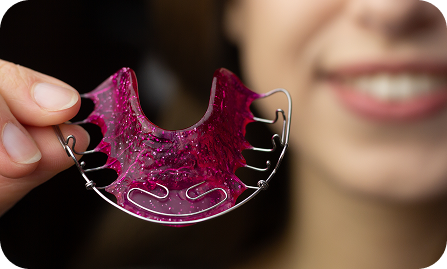
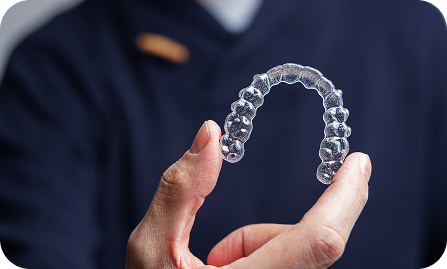
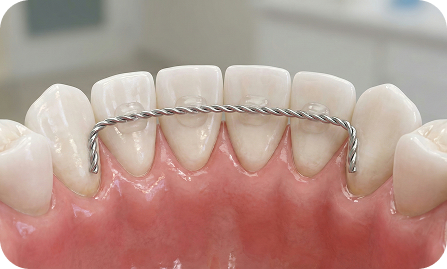


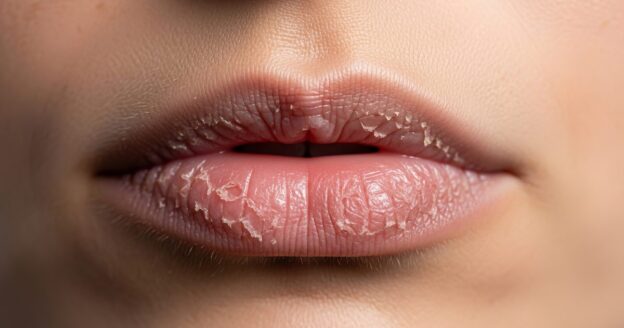
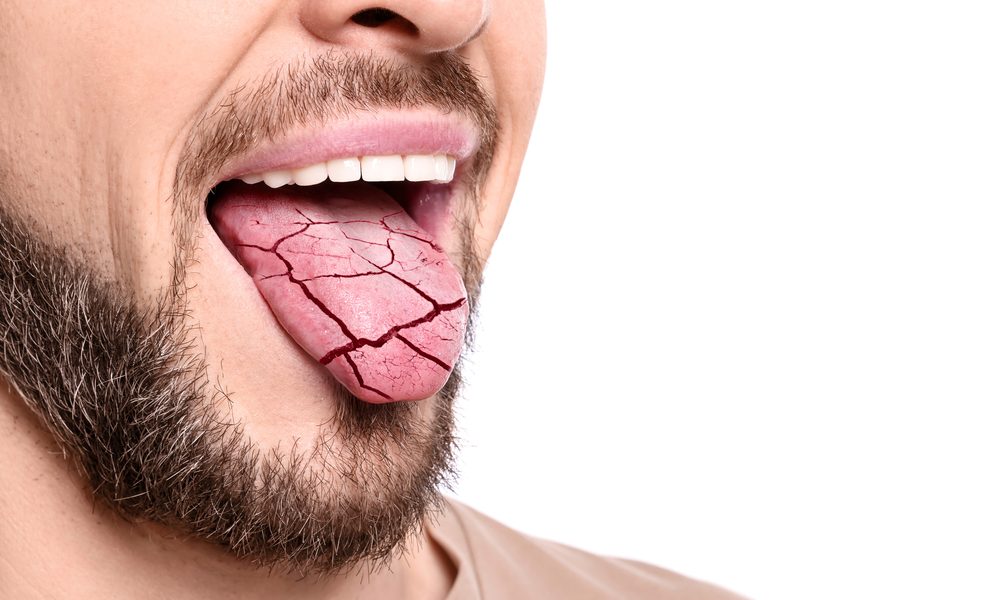
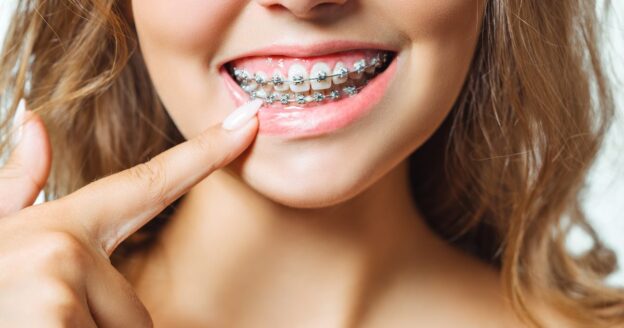
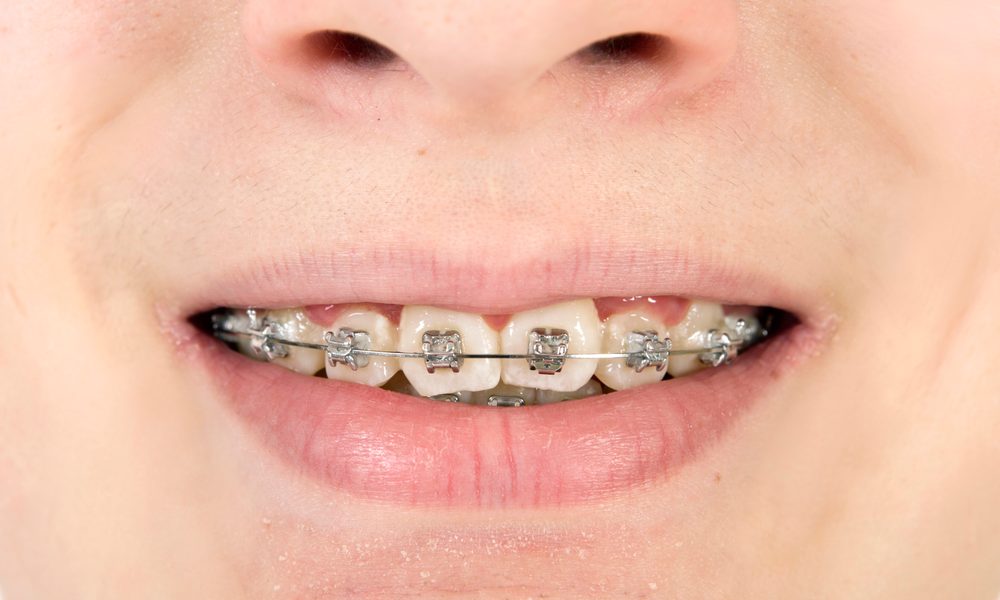
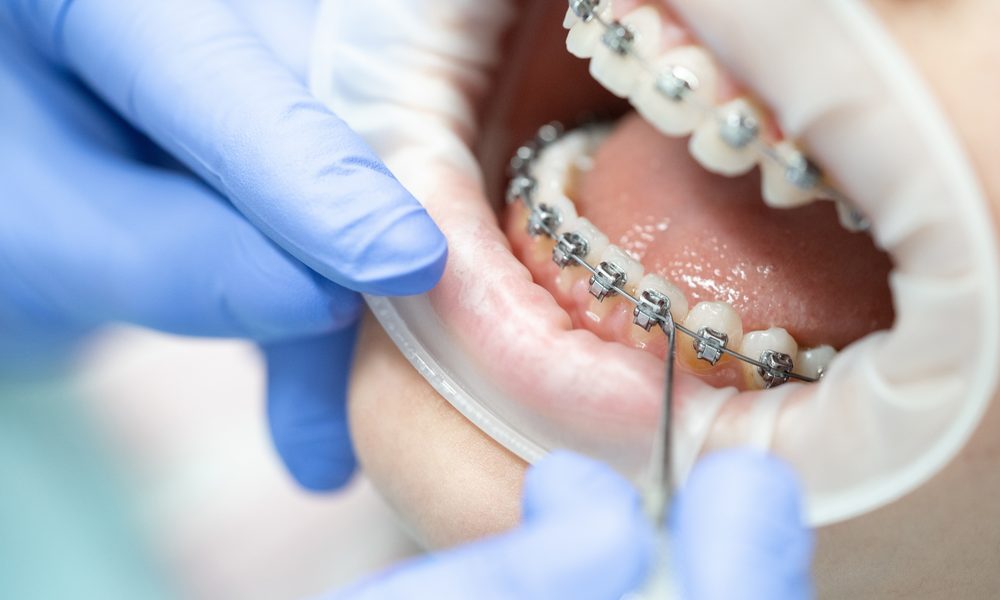
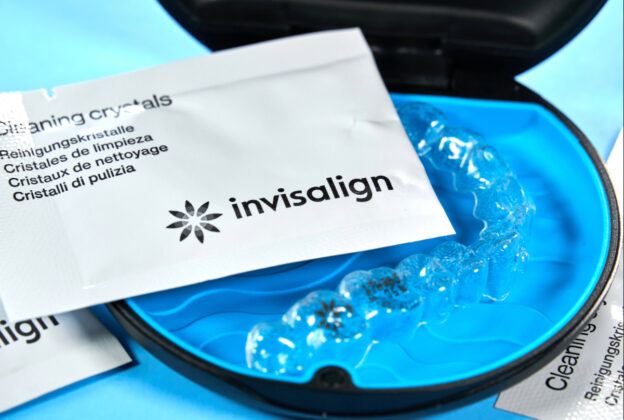
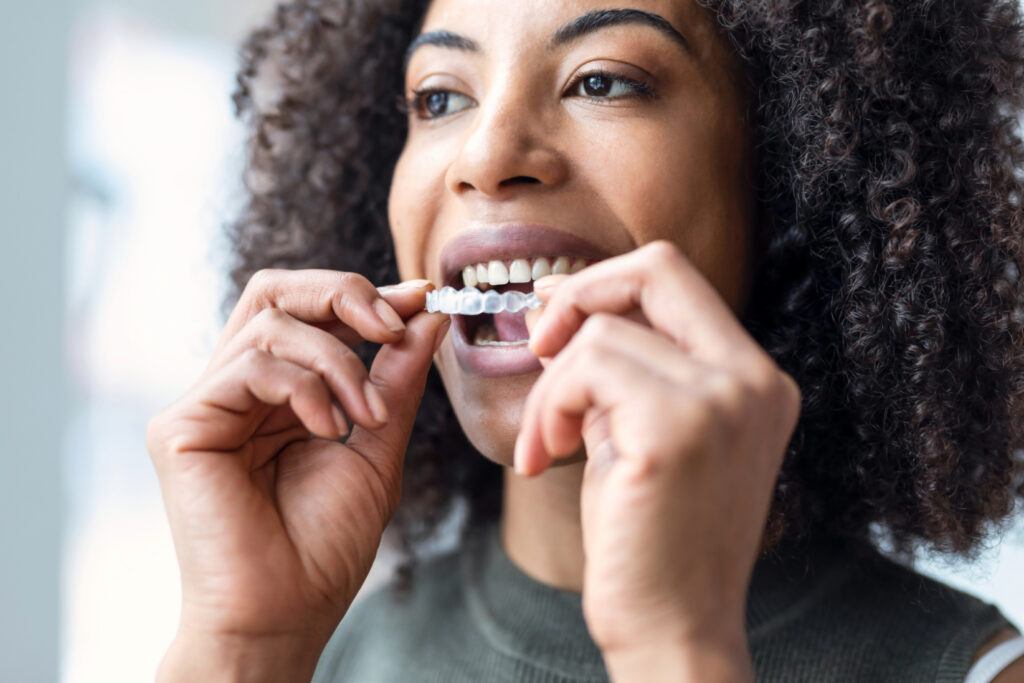
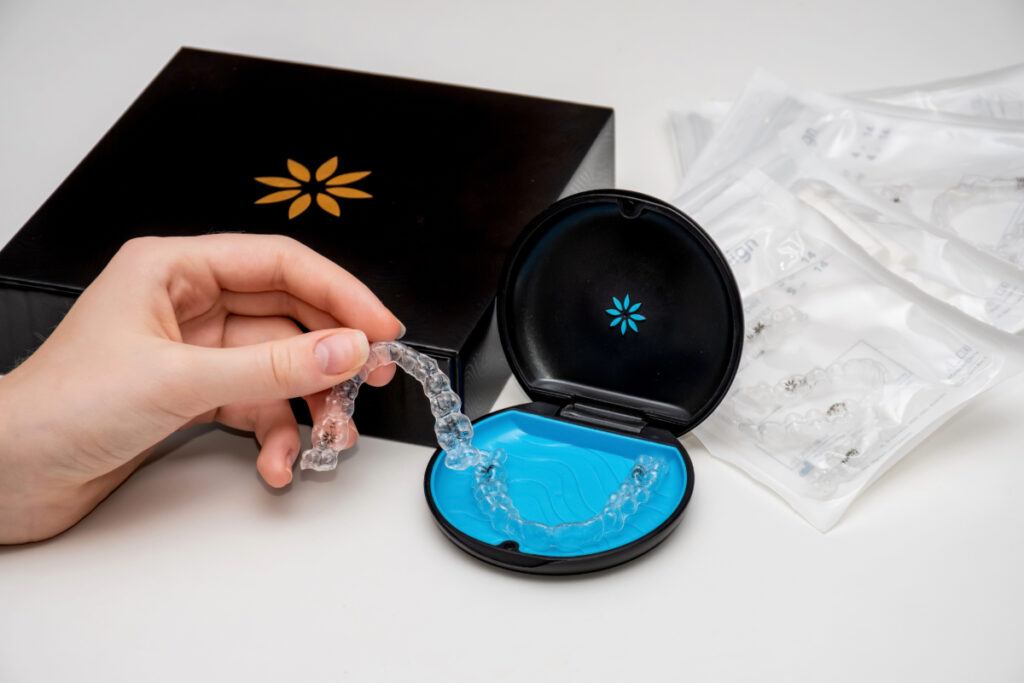
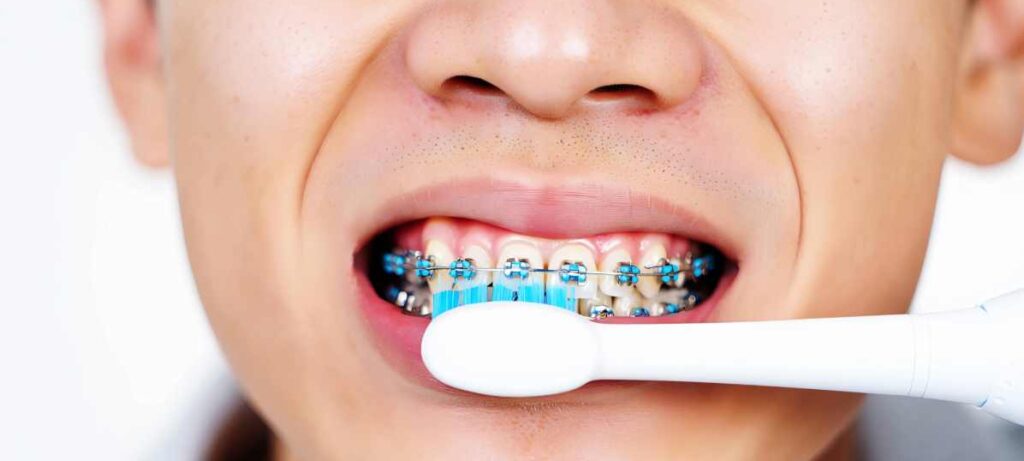
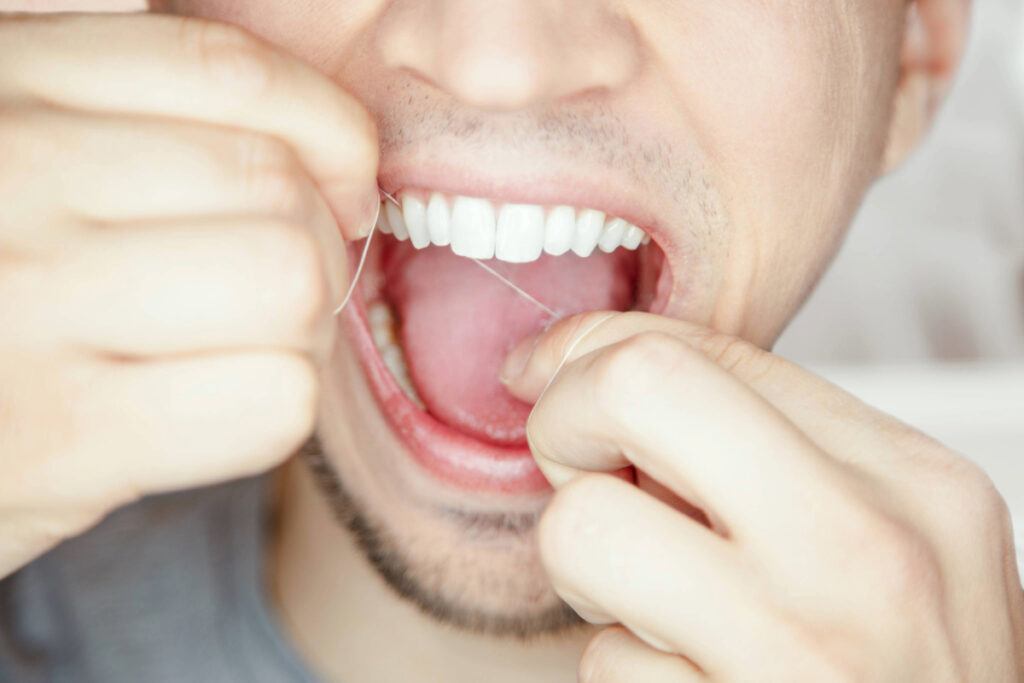





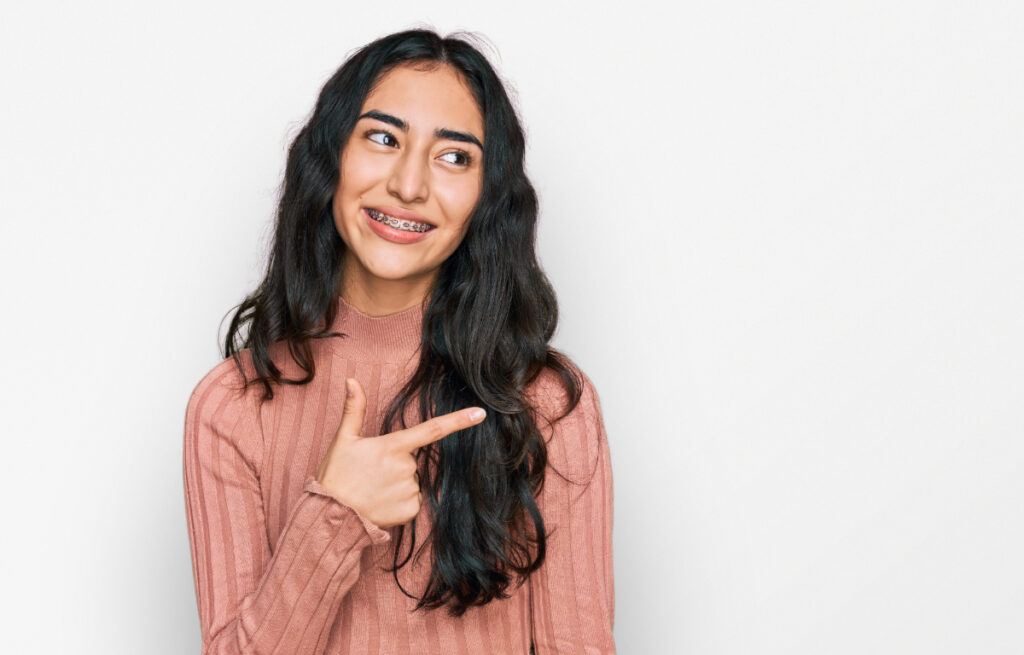
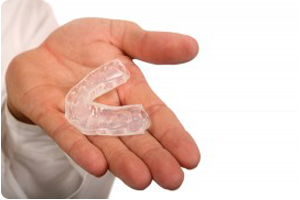 Mouth guards are essential in sports, whether you play backyard, recreational, or competitive sports in the
 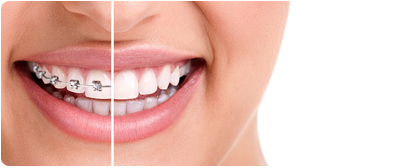 There are a few important things to keep in mind as you weigh the pros and cons between
  The amount of time it takes for
  Have you noticed that it seems like more and more young children are getting braces? Early
  “We had two consultations for braces. One orthodontist in Boca Raton recommends tooth extractions, one doesn’t. What do I do?”