Invisalign After Braces
At a glance
- Yes, Invisalign can re-straighten teeth that shifted after braces.
- Relapse is usually from skipped retainer wear, not wisdom teeth.
- It works best for mild-to-moderate cases, worn at least 22 hours a day.
- Retention is for life, so plan on a nightly retainer afterward.
This question comes up more than you’d expect. Sometimes it’s from someone who had braces as a teen and their teeth have shifted over the years. Sometimes it’s a parent whose child stopped wearing a retainer and now there’s visible crowding again. Either way, we hear it regularly, and the short answer is yes. Invisalign after braces is absolutely possible.
If your teeth have moved since your braces came off, you’re not stuck with the way things look now. Whether it’s been five years or fifteen, clear aligners can often re-straighten things and bring back the smile you had.
Why Teeth Shift After Braces
The most common reason we see people back in our office is simple. They didn’t wear their retainer as directed. Life gets busy, retainers get lost or broken, and teeth have a natural tendency to drift back toward their old positions if nothing’s holding them there.
This drift has a name: orthodontic relapse. After braces, the bone and fibers around your teeth need time to settle, and until they do, your teeth are biologically inclined to move back. The lower front teeth are the most prone to it, nudged by everyday tongue pressure and the slight narrowing of the arch that comes with age. Without a retainer, many people see some meaningful shifting over the following years, and it can add up the longer you go without one.
One question worth clearing up. Shifting often gets blamed on wisdom teeth pushing everything forward, but the research is mixed. Some reviews find no meaningful link, while others find wisdom teeth do contribute to lower front-tooth crowding. Either way, inconsistent retainer wear and natural age-related changes are major drivers of relapse.
We hear a version of this often: someone kept their retainer in a drawer “for safekeeping” and assumed the braces had made the results permanent.
Who’s a Good Candidate?
Not everyone who’s had braces before is automatically a candidate, so we evaluate a few things first.
You’re likely a good fit for Invisalign after braces if your teeth are mostly straight with mild crowding, spacing, or rotation. That describes most relapse cases, and they tend to respond really well. Cases with severe bite problems, heavy grinding, active gum disease, or very complex movements may need traditional braces instead.
Your oral health matters too. If you have untreated gum disease or significant decay, we address that before moving any teeth. Your first round of orthodontics also factors in. If you still have a permanent retainer bonded behind your teeth, we work around it or remove it, and if you had extractions before, that shapes the plan this time.
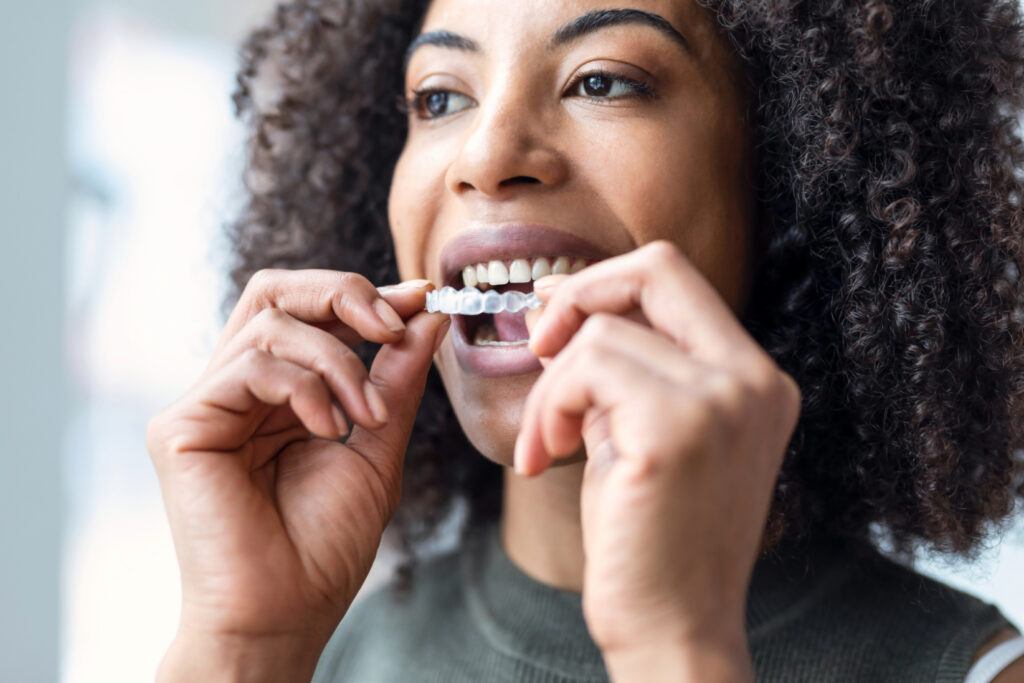
Compliance is the big one. Invisalign only works if you wear the aligners at least 22 hours a day. If you struggled with retainer wear before, we’ll have an honest conversation about whether clear aligners are the right choice, or whether braces might serve you better.
The Evaluation and Treatment Process
When you come in, we review your dental history, including records from your first round of braces if you have them. We take digital scans, X-rays, and photos to see exactly how your teeth and bite have changed.
Then we build a custom plan using Invisalign’s software, which shows you a digital preview of how your teeth can move and gives us a realistic timeline. For someone who’s had braces before and needs minor corrections, treatment often runs 3 to 9 months. More moderate changes might take 9 to 18 months, depending on complexity and how consistently you wear the aligners.
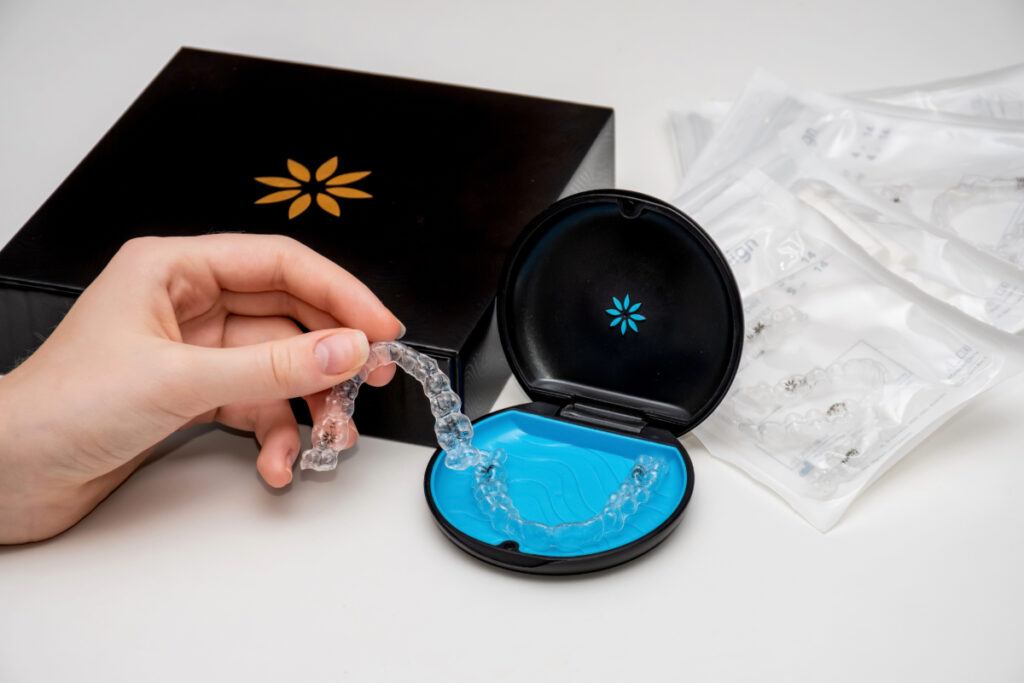
You’ll get a new set of aligners every 1 to 2 weeks, each nudging your teeth a little further. Some people feel mild tightness switching to a new set, which usually fades within a day or two. We may add attachments, small tooth-colored bumps that help the aligners grip, and in some cases a little IPR (light reshaping between teeth to create space). Both sound bigger than they are. You’ll come in every 6 to 8 weeks so we can check your progress.
Invisalign or Braces Again? And a Word on Mail-Order Aligners
Some people wonder whether they should just redo braces. Traditional braces handle more complex cases and don’t depend on you remembering to wear them. But if your case fits and you’re committed, Invisalign is the more discreet, comfortable route. Our page on why Invisalign might work for you digs into the differences.
We also get asked about mail-order aligner companies. Here’s our honest take: relapse cases need professional oversight. Your teeth have already been moved once, and moving them again without regular monitoring raises the risk of root damage, bite problems, or uneven results. This is one to do with an orthodontist watching, not through the mail.
Cost and Financing
Clear aligners for retreatment usually cost less than full comprehensive treatment, since you’re correcting relapse rather than starting from scratch. Your cost depends on your specific case, and we’ll give you an exact number at your free consultation, a $249 value. You can see how our payments are structured on our cost of treatment page.
Costs vary by complexity and insurance, and some plans offer benefits even for a second round of orthodontics. If cost is a concern, we’ll walk through financing options with you. You can also take a look at our Invisalign FAQs for more.
Getting Retention Right This Time
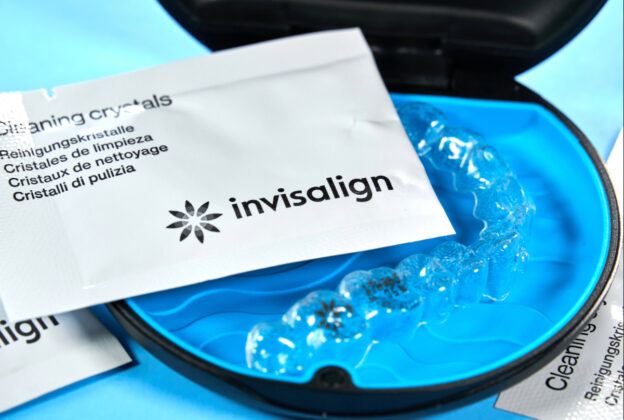
Let’s be blunt about the thing that got a lot of people here: if you don’t wear a retainer after Invisalign, your teeth can shift again. So this time, we’ll make the plan easy to stick to.
Once your aligners are done, we fit you for retainers. Most people wear them full-time for a few months, then switch to nights only. Here’s the part worth hearing clearly: the American Association of Orthodontists considers retention an indefinite commitment, which in practice means wearing a retainer at night, a few nights a week, for the long haul. It’s a small habit that protects everything you just invested. Some cases also do well with a fixed retainer bonded quietly behind the front teeth.
Is This Right for You?
If your teeth have shifted since braces and it bothers you, Invisalign is often a practical way to fix it without the visibility of traditional braces. It works best for mild to moderate relapse, and it does ask for your commitment.
A lot of adults feel embarrassed coming back in. You really don’t need to be. Retreatment is common, and it’s fixable. The best way to know for sure is to come see us. Book a free consultation, and we’ll look at your specific situation, talk through realistic expectations, and help you decide whether Invisalign, braces, or another approach makes the most sense.
Frequently Asked Questions About Invisalign After Braces
Can teeth really shift back after braces?
Do I need braces again, or can Invisalign fix relapse?
Is Invisalign cheaper after braces?
How long does Invisalign take after braces?
Will I have to wear a retainer forever?
Is a retainer or Invisalign better for minor shifting?

Dr. Jonathan Petrover is the lead orthodontist at Petrover Orthodontics, serving patients in Boynton Beach and Wellington, Florida. With a focus on personalized care and advanced treatments, he helps children, teens, and adults achieve healthy, confident smiles.