The American Association of Orthodontists says most people have their braces for 12 to 24 months. That figure covers braces patients in general, not adults specifically. For adults, the AAO adds only that treatment may run longer, because adult teeth are set more firmly in the jaw and take more time and pressure to move. So 12 to 24 months is where your estimate starts. Here’s what decides where your own case lands, and what can quietly stretch it.
Why nobody can give you one number
No web page can tell you your own number, because a single figure would just be a guess at your teeth. What moves a timeline is the size of the job. Closing one small gap at the front of your mouth isn’t the same piece of work as correcting a bite where the top and bottom teeth meet in the wrong places. The second one takes longer, because there’s more tooth movement to do.
Age matters less here than people expect. Teeth move because the bone around them remodels, and healthy bone keeps doing that right through adult life, which is why plenty of our braces patients are adults. Our cost page sorts treatment into two categories, comprehensive and limited. Limited treatment exists because some corrections are small. Which one describes your teeth is an exam question.
The adult braces timeline, stage by stage
1. The consultation and your records
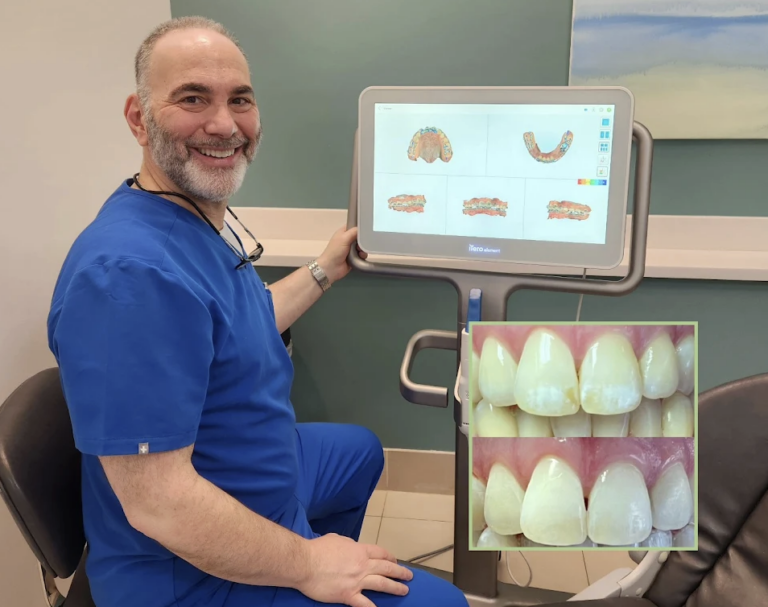
Your first visit with us is a free comprehensive consultation, a $249 value. It includes an initial exam, digital x-rays and a full discussion of your options with Dr. Petrover, and you leave with a treatment plan and the fee for it. This is the visit where your timeline stops being a range and becomes a plan. You’re on track when you walk out knowing what’s being corrected, roughly how long it should take, and whether anything needs handling first. Our Wellington braces page walks through that visit in more detail.
2. The day the braces go on
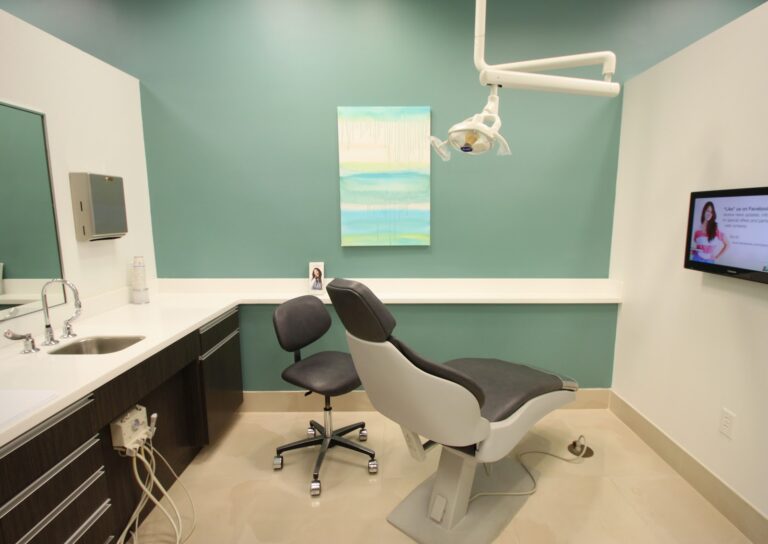
We bond the brackets to your teeth, and the wire goes in. From there, the braces apply steady, controlled pressure that gradually guides your teeth toward their planned positions. Expect some soreness early on, as your teeth and gums get used to that pressure. On track looks boring: nothing loose, nothing poking, and a list of foods to avoid stuck on your fridge.
3. Adjustments every 4 to 12 weeks
The AAO puts adjustment visits at every 4 to 12 weeks, depending on where you are in the plan. They’re short appointments. We change or tighten the wire and check what has moved since last time. Then you go back to normal life. These visits are also where a timeline gains or loses weeks.
4. Debonding, the day they come off
Debonding is the appointment where the brackets come off and your teeth are polished. It’s the day you’ve been counting toward, and it’s a good one! What most people don’t expect is that the date isn’t set on the calendar at the start. Your orthodontist calls it once the teeth and the bite have reached the plan.
5. Retention, which is part of the deal
Teeth don’t stay put on their own. Retention is the phase after braces where a retainer holds the result you just spent a year or two earning, and it starts the same day the brackets come off. It isn’t an optional extra, and it isn’t brief. Here’s how long you wear a retainer after braces, so you know what you’re agreeing to before you start.
Do braces take longer for adults?
They can. The AAO’s adult orthodontics page says that compared with children, your timeline may be longer. Adult teeth are more firmly set in the jaw, so it takes more time and pressure to move them where they need to go. The treatment itself is the same, and it can just take longer to get there.
None of that is a reason to put it off. The AAO says 1 in 3 orthodontic patients today are adults, and we have patients in their seventies. A 45-year-old with mild crowding can be finished before a teenager with a complicated bite, because the case sets the pace more than the birthday does. There’s more on orthodontic treatment as an adult if that’s the part you’re weighing.
What stretches your timeline
A lot of this is in your own hands.
Starting with an unhealthy mouth. The AAO notes that treatment often can’t start until conditions like cavities are treated. Active gum disease or untreated decay goes back to your dentist before any teeth start moving, so a delay here is a delay to the whole plan. The exam finds it, and we’ll tell you exactly what it is.
Broken brackets and poking wires. Brackets come loose and wires shift, and repeated breakages mean extra repair visits that can push the finish line back. Call us when it happens, because we’ll see you the same day whenever possible. Our page on a broken bracket or a poking wire covers what to do in the meantime.
Food. Skip anything sticky, hard or chewy. Ice, hard candy and caramel are out, and apples get cut into slices. Those rules protect the brackets, and that’s the easiest way to avoid the repair appointments.
Missed adjustments. Putting off adjustments slows progress, and doing it repeatedly can add up to a real delay.
Your appliance, and how you use it. Aligners only work if you wear them close to full-time, so they suit some routines better than others. We compare metal, ceramic and clear options if you want to read up before your consultation.
How to keep it on schedule
- Clear up any decay or gum problem before your start date, not during treatment.
- Book adjustments at the interval you’re given, and rebook right away if you cancel one.
- Call the day something breaks instead of waiting for your next visit.
- Keep the sticky, hard and chewy list out of your kitchen for the duration.
- Wear whatever you’re given to wear at home, elastics or aligners, exactly as instructed.
- Brush carefully around the brackets, because food traps there.
Does a longer case cost more here?
No. Your fee is one number, agreed before you start, and it covers your records, every appliance you need along the way, your retainers and your follow-up visits. Nothing gets added once you’ve started, so a case that takes a few months longer than planned doesn’t arrive with extra line items. Our cost of treatment page shows how the payments are structured.
If you want your own timeline instead of a range, that’s what the first visit is for. It’s free, and you can book it at either our Boynton Beach or Wellington office in Florida. Come in, and we’ll tell you what your teeth actually need.
Frequently asked questions
Do braces take longer on adults?
Can braces fix teeth in 3 months?
What’s the best age to get braces?
Are braces more painful for adults?

Dr. Jonathan Petrover is the lead orthodontist at Petrover Orthodontics, serving patients in Boynton Beach and Wellington, Florida. With a focus on personalized care and advanced treatments, he helps children, teens, and adults achieve healthy, confident smiles.