
Can a Retainer Move Teeth Back?
At a glance
- Feels snug? The AAO says that might mean your teeth have shifted slightly, and to keep wearing it as instructed.
- Bigger shift: the AAO says wearing your retainer may no longer be enough, and your orthodontist may adjust it, make a new one or suggest more treatment.
- Fit: put it in gently with both hands, and if it no longer fits as it did at first, see your orthodontist.
- Won’t seat, feels tight or sore, or lost? Call us rather than forcing it.
Can a retainer move teeth back? Sometimes, with your orthodontist’s help. The American Association of Orthodontists (AAO) says a retainer is designed to hold your teeth in their current position, and that if your teeth have shifted, wearing it may no longer be enough. Orthodontists typically begin by adjusting the retainer or making a new one, and some patients need a short round of braces or clear aligners.
Noticing your teeth shifting after braces, after everything you put into them, is a sinking feeling. Plenty of people open the case, look at a retainer they haven’t touched in months, and already suspect it isn’t going in like it used to. If you’re a parent holding your teenager’s, or an adult who spotted a turned front tooth in a photo last week, you’re in very good company.
So the useful question isn’t whether a retainer moves teeth. It’s what your orthodontist finds when they check your teeth and your retainer.
Holding Teeth and Moving Teeth Aren’t the Same Thing
A retainer is designed to hold teeth where they are. Moving them is a different job.
Your teeth aren’t set in bone like posts in cement. The AAO explains that each tooth is held in place by tiny ligaments that connect it to the bone, and that tooth movement comes from bone remodeling, a natural process that continues for life. That same process is what lets braces and aligners work, and the AAO says that without an effort to keep them in place, teeth will naturally attempt to return to their original positions.
Braces and aligners push in a chosen direction, one planned step at a time. A retainer is made from a mold or digital scan of your mouth taken after active treatment, and the AAO says it’s designed to “retain” your teeth in their current position. When teeth have shifted, the AAO says orthodontists typically begin by adjusting the retainer or making a new one, but that’s done at the office, not at home.
If your retainer feels snug, the AAO says it might mean your teeth have shifted slightly, and that it’s essential to keep wearing it as instructed. If the tightness causes discomfort or pain, the AAO says to consult your orthodontist.
If your teeth have shifted more than that, the AAO says wearing your retainer may no longer be enough, and advises telling your orthodontist as soon as you notice significant tooth movement or your retainer doesn’t fit.
Two things are worth noting before you call: how long it’s been since you last wore it, and whether it still fits the way it did.
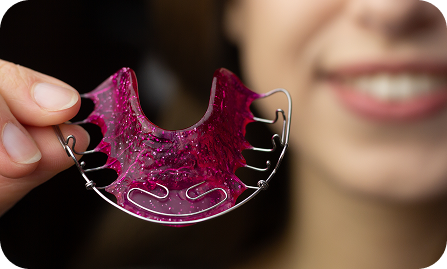
How Long Has It Been? Days, Weeks, Months, Years
It helps to tell us how long the retainer has been out.
Your teeth aren’t parked: the AAO notes that we apply force to them when we speak, bite and chew. The American Association of Orthodontists describes tooth movement as the result of bone remodeling, a natural process that keeps going for life. That’s why the AAO says you will likely need to wear retainers for the rest of your life, and that skipping them for even a few days could cause your teeth to shift significantly.
- A few days off. If the retainer seats fully and feels snug but comfortable, the AAO says to keep wearing it as instructed. Even a few days off can let teeth shift, though, so if it feels tight, sore or won’t seat fully, call us rather than waiting for it to settle.
- Weeks. Use the fit check in the next section, and if it doesn’t seat fully or it feels tight or sore, call us rather than wearing it through.
- Months. The AAO says that if you’ve gone a while without wearing retainers, your teeth will have shifted significantly, and wearing your retainer may no longer be enough. Call us rather than forcing it.
- Years. Don’t try to force the old retainer back in. Call us, bring it with you, and let us check what’s actually needed now.
Read the list above as a guide to when to call, not a prediction of how far your own teeth have moved. Only your orthodontist can tell you that.
Does Your Retainer Still Fit? Try This Tonight
It goes most of the way on, then stops. And your thumb is already moving toward it to push a bit harder. Don’t. The AAO says a retainer that feels tight might mean your teeth have shifted, and advises putting a retainer in and taking it out gently, with both hands, to prevent unnecessary stress or bending.
- Place the retainer over your teeth gently, using both hands.
- Check whether it fits the way it did when it was new. The AAO says to consult your orthodontist if you feel it no longer fits as it did at first.
- Notice how it feels. If it feels suddenly tight, uncomfortable or painful, won’t go all the way on, or would need real force to get it down, call us.
- Take it out gently, using both hands.
If it doesn’t seat fully, stop there and call us rather than forcing it.
A retainer that doesn’t fit anymore isn’t a retainer that needs more effort. It might mean your teeth have shifted, and the AAO notes that retainers can also wear out over time. Either way, it’s a reason for a check.
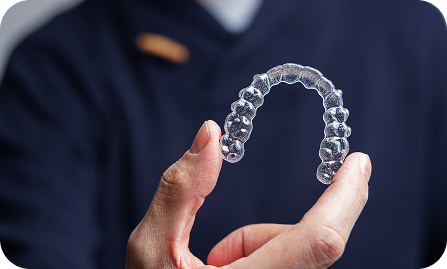
If You Have a Bonded Retainer, This Is a Different Problem
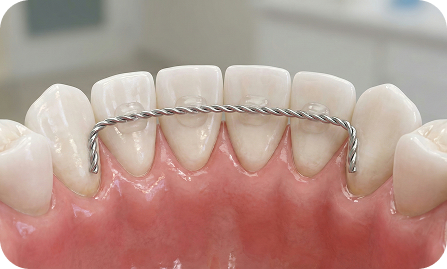
A wire glued behind your front teeth feels like the version you can’t mess up. No case to lose, no nights to remember. But problems with it can go unnoticed: the review cited below notes that early problems can be difficult to detect.
If you’ve got a bonded wire and your teeth have shifted anyway, the wire itself may be part of the story. The review lists several possible causes, including these two. The bond can come loose from a tooth without anyone noticing.
Or the wire can get bent, for example by chewing force or hard foods, and the review says a bonded wire may then push teeth rather than simply hold them. The movements it describes include canines on opposite sides tipping in opposite directions.
With a bonded wire, pain may not be a reliable warning. A systematic review of unwanted tooth movement in patients with bonded retainers (Healthcare, 2022) documented a case where a tooth was pushed a long way out of position while the patient reported no significant pain. So “it doesn’t hurt” isn’t evidence that it’s fine.
The AAO says fixed retainers need careful flossing and periodic checks. When you floss, thread it gently under the wire rather than forcing it. If anything catches, feels loose, or a tooth has visibly turned, call us rather than waiting to see what happens. The review describes these problems as progressive, so waiting can let them get worse.
What Happens Next If Your Retainer Can’t Do It
At this point it’s easy to picture another full round of braces, and another bill to go with it. That isn’t always where this ends up. The AAO describes three paths.
An adjusted or new retainer. The AAO says orthodontists typically begin here, readjusting the existing retainer if it still fits but is too tight, or making a new one to accommodate shifted teeth, sometimes over several follow-up visits.
A short touch-up. The AAO says some patients may be able to have a short treatment with braces or clear aligners after braces to move their teeth again before going back to retainers. How long depends on your case.
Full retreatment. In severe cases, the AAO says another full round of orthodontic treatment may be required, and it’s worth being upfront about.
To avoid another costly round of treatment, the AAO advises telling your orthodontist as soon as you notice significant tooth movement or your retainer doesn’t fit. So if something has changed, call us to schedule a retainer check-up and we’ll look at how your retainer fits.
Come and see us in Boynton Beach or Wellington to find out which of these paths fits your situation. Your comprehensive consultation is free, a $249 value, and it’s a chance to review your options. No pressure, no surprises. Book your free consultation here.
For adult patients, see adult orthodontics in Wellington or adult orthodontics in Boynton Beach.
Common Questions About Retainers and Shifted Teeth
Is a couple of days without my retainer really a problem?
How long before I’d know whether wearing it again is working?
I lost my retainer completely. What should I do?
Will my teeth keep trying to shift years from now?
