Dry Mouth With Braces
At a glance
- Braces do not directly cause dry mouth, but they can contribute to it.
- Watch for a sticky feeling, bad breath, and a higher cavity risk.
- Sip water, chew sugar-free or xylitol gum, and use an alcohol-free fluoride rinse.
- Night is often worst, so treat congestion and try a bedroom humidifier.
Dry mouth during orthodontic treatment is one of those things patients don’t always think to mention. Once they do, we hear it a lot. It’s uncomfortable, it can affect your breath, and if it goes on long enough, it creates real problems for your teeth. The good news is that dry mouth with braces is manageable, and most patients find real relief once they understand what’s driving it.
If you or your child has been dealing with a sticky, parched feeling since getting braces, you’re not imagining it. We’ll be straight with you about what braces do and don’t do to your saliva, then walk through what actually helps. Here’s what we typically see, and what brings the fastest relief.
Do Braces Actually Cause Dry Mouth, or Is Something Else Going On?
Not exactly, and that surprises people. An NIH research review of braces and saliva found the picture is mixed. Some studies even showed braces increasing saliva flow, and overall the evidence wasn’t strong enough to say braces dry your mouth. So the honest answer is usually no, at least not directly.
So braces don’t directly dry out your mouth. What they can do is contribute to dryness in a few indirect ways:
- Mouth breathing. Brackets and wires can leave your lips resting slightly apart, which makes mouth breathing more likely, especially at night.
- Less chewing. Many patients switch to softer foods after getting braces, and chewing is one of the things that stimulates saliva.
- Drinking less. When your mouth is tender in the early weeks, it’s easy to sip less than usual.
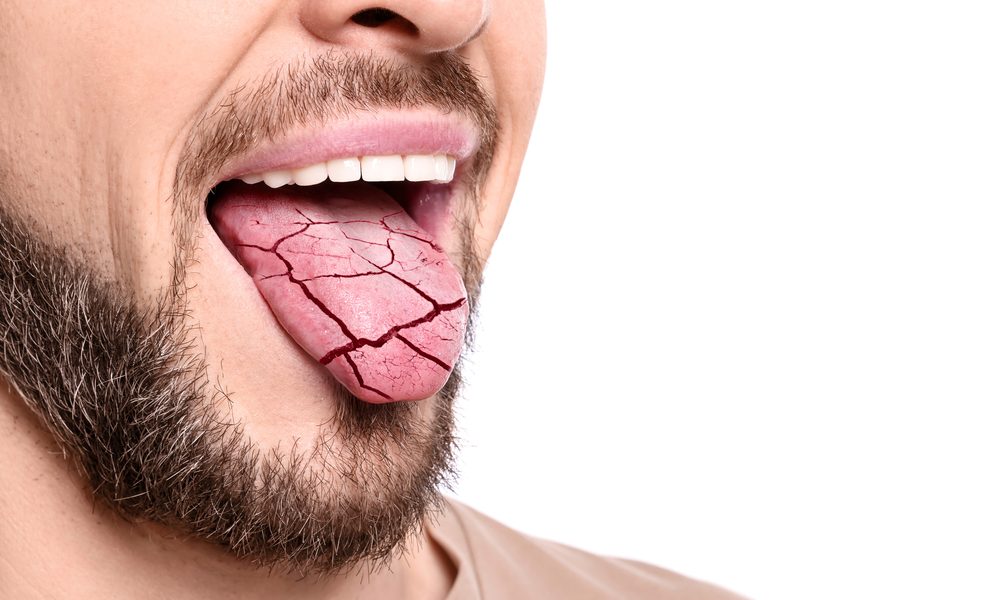
True dry mouth, called xerostomia, is usually driven by things that have nothing to do with braces. The most common cause by far is medication (the ADA links over 100 drugs to it), along with dehydration and nasal congestion. So braces can make dryness more noticeable, but they’re usually not the root cause.
Signs and Symptoms of Dry Mouth to Watch For
Dry mouth shows up in more ways than just feeling thirsty. Here’s what many patients notice, drawn from the symptom list the American Dental Association uses for xerostomia:
- A sticky, dry, or burning feeling in the mouth
- Thick or stringy saliva
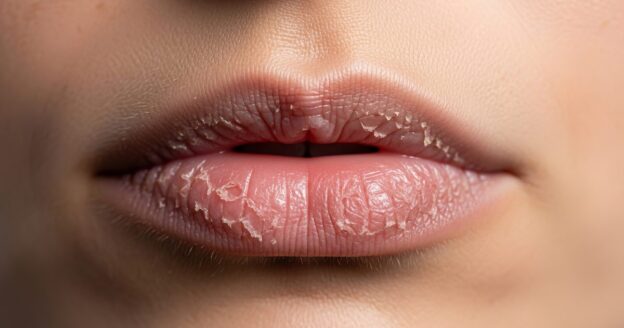
- Cracked lips or sore corners of the mouth
- Bad breath
- A sore or scratchy throat
- Trouble chewing, swallowing, or speaking
- A dulled or altered sense of taste
- Mouth sores
If your teen comes home self-conscious about bad breath, this is often why. Bad breath here is a direct result of reduced saliva, not poor brushing. Knowing that can take some of the sting out of it, and it points you toward the real fix instead of just more mouthwash.
Why Dry Mouth Matters More When You Have Braces
Dry mouth is uncomfortable on its own. With braces, the stakes are higher.
Saliva is your mouth’s natural defense against cavities. It neutralizes acid, rinses away food and bacteria, and supplies the calcium and phosphate that help re-harden enamel. When there’s less of it, acid from food and bacteria lingers longer on the tooth surface. Around brackets, where plaque already tends to build up, that’s a real problem. Research on saliva during orthodontic treatment is mixed, and some studies even find that stimulated saliva flow goes up with fixed braces. Still, less saliva means acid and bacteria linger longer on your teeth, and that matters more around brackets, where plaque already builds up.
This is where white spot lesions come in. These early signs of enamel damage are common in fixed-braces patients, with published studies reporting prevalence anywhere from about one in four to well over half depending on how closely teeth are examined, and reduced saliva named as one risk factor alongside hygiene. They’re much easier to prevent than to treat. Gum tissue can suffer too, since less saliva means less natural rinsing around brackets and wires. The reassuring part is that these risks are largely preventable with the steps below.
What Actually Helps: Products and Habits That Bring Relief
Some patients with expanders or other new hardware notice their mouth feels like sandpaper in the morning, often because they’ve started sleeping with their mouth open. A few simple changes can make a real difference.
Start with daily habits:
- Sip water steadily through the day rather than gulping large amounts at once. A water bottle in the school bag makes this easy.
- Chew sugar-free or xylitol gum after meals to stimulate saliva. The ADA notes that chewing sugar-free gum measurably increases saliva production. If gum is uncomfortable with brackets, sugar-free lozenges work similarly.
- Keep up your brushing routine, since less saliva means teeth need more help staying clean. Our best toothbrush with braces guide covers the details.
Then there are products many patients find helpful:
- Xylitol sugar-free gum. Ice Breakers Ice Cubes even carries the ADA Seal for boosting saliva, and Epic is another xylitol option.
- An alcohol-free fluoride rinse. Skip alcohol-based mouthwashes, which are drying. A dry-mouth formula like ACT Total Care pairs xylitol with fluoride, so it soothes and protects against cavities.
- Biotene dry-mouth rinse, spray, or gel, all alcohol-free.
- Sugar-free lozenges and over-the-counter saliva substitutes for when chewing isn’t an option.
These are commonly recommended and many patients find them helpful, though the evidence for some dry-mouth products is limited. One caveat: ask us before chewing gum with certain fixed appliances, since it can catch on the hardware.
How to Stop Dry Mouth at Night With Braces
For a lot of patients, the worst dryness hits first thing in the morning. That’s because saliva flow is naturally lowest during sleep, and lips resting apart around braces make overnight mouth breathing more likely. Here’s a simple night protocol many patients find helps:
- Treat the underlying cause. If nasal congestion, allergies, or a deviated septum is behind your mouth breathing, fixing that often resolves the dryness too.
- Run a humidifier in the bedroom to add moisture to the air while you sleep.
- Try an overnight adhering disc such as XyliMelts. It sticks to your gum and slowly releases xylitol over several hours, no chewing required, so it works when gum isn’t safe with braces. A study referenced on PubMed evaluated these time-release discs specifically for night-time dryness.
- Keep water at the bedside for quick relief if you wake up parched.
Placement of the discs can be a little fiddly at first, and results vary from person to person. If chronic congestion or snoring is part of the picture, it’s worth raising with your doctor.
Foods and Habits That Make Dry Mouth Worse
Some everyday choices quietly make dryness worse. A short list to keep in mind:
- Sugary and acidic drinks like soda, sports drinks, and energy drinks cling to brackets and, combined with dry mouth, sharply raise cavity risk.
- Caffeine, which is dehydrating, so go easy on coffee and energy drinks.
- Alcohol and salty or dry foods, which also pull moisture from your tissues.
- Smoking and vaping, which both reduce saliva and make dryness noticeably worse.
None of this means you can never enjoy your favorites again. It’s about being a little more mindful during treatment, when your mouth has less natural protection than usual.
Is Dry Mouth Different With Invisalign or Clear Aligners?
Invisalign and clear aligners can cause dryness too, particularly early in treatment, and the management strategies are largely the same. There’s one interesting difference worth knowing. Some evidence suggests aligners may carry a lower white-spot risk than fixed braces. Studies comparing the two have found that aligner patients develop fewer white spot lesions than fixed-braces patients. One found about 1% versus roughly a quarter, thought to relate to aligners’ smaller effect on the mouth’s environment.
A practical tip from a real reader question: if you use a tinted dry-mouth rinse or gel, take your aligner tray out first so it doesn’t get stained, then rinse and reinsert once your mouth is clear. Either way, keep your trays and your mouth clean, since reduced saliva still means less natural rinsing. If you’re weighing your options, our Invisalign page covers what to expect.
When to Bring It Up With Us and When to See a Doctor
Most dry mouth during treatment responds well to the strategies above. A lot of patients feel awkward bringing something like this up at an appointment, like it’s not worth mentioning. It is. It’s exactly the kind of thing we want to know about. We’d also want to hear sooner about white spots forming, significant gum soreness, or sores around brackets that aren’t resolving. Those aren’t things to wait out.
Sometimes dry mouth points to something beyond the braces. See a doctor if it’s severe, constant, or lasts well beyond the first few weeks, especially if it comes with dry eyes and difficulty swallowing. That combination can signal Sjogren’s syndrome, an autoimmune condition the NIDCR researches. Dry mouth is also a known side effect of hundreds of common medications, including antidepressants, blood pressure medicines, antihistamines, and decongestants, so a medication review with your physician or pharmacist is a reasonable step.
If you’re concerned, schedule a free consultation and we’ll sort it out together.
Dry Mouth With Braces: Frequently Asked Questions
Is dry mouth normal when you first get braces?
Do braces cause dry mouth?
How do I stop dry mouth from braces?
Does dry mouth from braces go away?
What’s the best mouthwash for dry mouth with braces?
Can dry mouth affect how long treatment takes?

Dr. Jonathan Petrover is the lead orthodontist at Petrover Orthodontics, serving patients in Boynton Beach and Wellington, Florida. With a focus on personalized care and advanced treatments, he helps children, teens, and adults achieve healthy, confident smiles.