Monthly Archives: November 2026

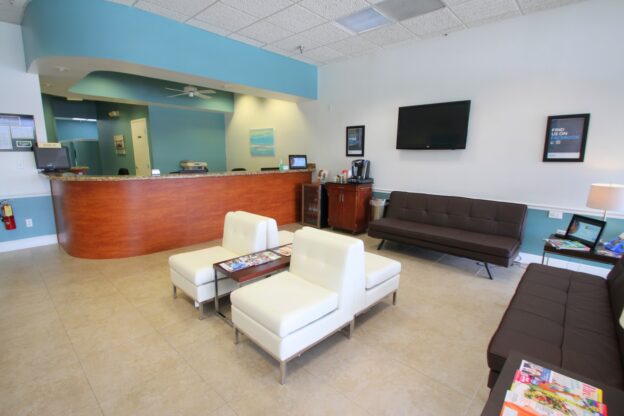
Reception desk and waiting area with seating

Invisalign vs Braces: Which Is Right for You?

Invisalign vs Braces: Which Is Right for You?

At a glance

  • Neither one suits everyone. The American Association of Orthodontists (AAO) says your orthodontist may recommend aligners, braces, or a combination, and that “some cases are treated more predictably with braces.”
  • Aligners only work when they’re in. One AAO page says at least 22 hours a day; another says 20 to 22 hours or as your orthodontist prescribes. Braces are usually cemented to your teeth (ADA), so wearing them isn’t a daily choice.
  • Daily life differs. The AAO says aligners can be removed so you keep your usual diet and cleaning routine; with braces, our braces FAQ says to avoid sticky, hard or chewy foods.
  • Cost may be similar. Invisalign.com, the manufacturer’s site, calls the cost “comparable to the cost of braces.” Petrover Orthodontics doesn’t quote a set Invisalign fee; a consultation gives you a better idea of your fee.

If you’re weighing Invisalign against braces, for yourself or for your teen, you’ve probably found plenty of pages that pick a side. This guide doesn’t. It walks through the four things that decide it: what your bite needs, whether aligners will really be worn, how each fits your day, and what each costs. Invisalign is one brand of clear aligner, and most of the guidance and research below covers clear aligners in general. If you’d like the types of braces explained first, our side-by-side guide covers them.

Invisalign vs braces at a glance
  Invisalign (clear aligners) Braces
How it’s worn Removable clear trays (AAO) Brackets usually cemented to your teeth (ADA)
Daily wear At least 22 hours a day on one AAO page; 20 to 22 hours, or as your orthodontist prescribes, on another On all the time, so wear isn’t a daily choice
Eating Take them out to eat, and for drinks other than water (AAO) Avoid sticky, hard or chewy foods (our braces FAQ)
Cleaning Take them out to brush and floss; they can trap food against teeth (AAO) Brush and floss after every meal (our braces FAQ)
Look Far less noticeable than metal braces (AAO) Clear or metal, with or without colors (our braces FAQ)
More complex bites Not right for everyone (AAO) Some cases are treated more predictably with braces (AAO)
Cost Invisalign.com calls it “comparable to the cost of braces” Depends on your case; a consultation gives you a better idea of your fee (our braces FAQ)

Which one suits you depends on your bite, and your orthodontist decides that at an exam.

Start with your bite, not the brand

The AAO’s clear aligners page lists the most common conditions treated by aligners as gapped teeth, crowded teeth, overbite, underbite, open bite, crooked teeth and crossbite.

The same page says, “Clear aligners are not right for everyone.” It notes that aligners can be paired with elastics, and that “some cases are treated more predictably with braces.” A second AAO page on clear aligner therapy is more specific: aligners “may not work as predictably for severe malocclusions, significant tooth rotations, and large gaps,” and braces “may offer more precision in these cases.” (A malocclusion is what the ADA calls a “bad bite.”)

Notice the wording: “may” and “more predictably,” not “can’t.” So the first step is a diagnosis from your orthodontist.

What the research does and doesn’t show

  • Simple cases: A 2025 systematic review and meta-analysis by Baneshi and colleagues included 21 randomized trials with 970 participants. It found that aligners and braces both “worked well” for simple bite problems treated without removing teeth, with no significant difference on three standard outcome scores. It rated “the overall quality of evidence” as low and called for more high-quality studies of aligners in complex cases.
  • Predictability: A 2020 systematic review by Robertson and colleagues of seven studies, at a “low to moderate” level of certainty, found aligners “may produce clinically acceptable outcomes that could be comparable” to braces for the tilt of the front teeth in mild to moderate cases. It added that most tooth movements “may not be predictable enough to be accomplished with only one set of trays.”
  • Extraction cases: A 2023 review by Jaber and colleagues looked at cases in which premolars were removed. It combined trials and cohort studies (six studies, 283 patients), and three of them found no differences between aligners and braces on standard outcome scores. The review reported better tooth tilt and bite contacts with braces, and said aligners “might be associated with differences between predicted and achieved tooth movements.”

In short, low-quality evidence suggests both work for simple cases, and the evidence for complex cases is thinner. That’s why your orthodontist’s read of your bite matters more than any general ranking.

Wear time: the part only you control

Braces “usually consist of small brackets cemented to your teeth, connected by a wire,” as the ADA’s MouthHealthy braces page describes them. Once they’re on, wearing them isn’t a decision you make each day.

Aligners are different because they come out, and the two AAO pages give slightly different figures. The AAO clear aligners page says each aligner is typically worn “at least 22 hours a day,” while the AAO clear aligner therapy page says “20-22 hours per day or as prescribed by your orthodontist.” Follow what your orthodontist prescribes. At 22 hours a day, that leaves about two hours for meals, drinks other than water, and brushing.

The therapy page explains why this matters: “the success of clear aligner treatment heavily relies on your compliance,” and inconsistent wear “can hinder your progress” or compromise the results.

If you’re choosing for a teenager

MouthHealthy says orthodontic treatment “often begins between ages 8 and 14.” The AAO therapy page says the near-invisible look of aligners is “particularly valued by adults and teens who may be self-conscious” about how braces look.

Only you and your teen can judge whether the aligners will be worn for the hours prescribed. That’s a conversation to have honestly, with your teen and at the consultation. See orthodontic care for kids and teens for more.

If you’re an adult

The ADA’s orthodontics page says “many adults seek orthodontic treatment to correct long-standing problems,” and its braces page says “healthy teeth can be orthodontically treated at any age.” If you’re leaning toward aligners, the AAO aligners page says any dental work needs to be completed before you’re scanned. See straightening your teeth as an adult for more.

Daily life with each option

Eating and drinking

Because aligners come out, the AAO therapy page says there are “no food restrictions.” It pairs that with two habits: “Avoid any drink that is not water while your aligners are in,” and brush your teeth thoroughly before putting them back.

With braces, MouthHealthy suggests avoiding “popcorn, corn on the cob, chewing gum, whole apples, and other sticky foods.” Our braces FAQ tells patients to avoid sticky, hard or chewy foods, because they may damage the braces and mean extra repair visits.

Keeping your teeth clean

The AAO therapy page says aligners can be removed for brushing and flossing, so you can keep your usual routine. It also warns that “Aligners can trap liquids and food particles against the teeth, increasing the risk of cavities and gum disease.” With braces, our braces FAQ asks for “brushing and flossing after every meal.”

Is gum health actually better with aligners? The evidence isn’t settled. A 2023 systematic review by Crego-Ruiz and Jorba-García of 12 studies found “not enough evidence to conclude” that aligners keep gums healthier than braces. The Baneshi review found only “low quality evidence” favoring aligners for gum health.

Appearance and comfort

The AAO therapy page describes aligners as “far less noticeable than metal braces.” Braces don’t have to be silver, though: our braces FAQ says ours “come in clear and metal, with or without colors.”

Both take some getting used to. The AAO aligners page says “Mild discomfort is common for the first few days.” Our braces FAQ says new braces “will feel a little awkward at first and the teeth may be tender or sensitive to pressure.” On quality of life, the Baneshi review found “moderate quality evidence in favor of clear aligners,” measured at six months.

Lost aligners, broken brackets and check-ups

The AAO therapy page says to keep aligners in their case, not in a napkin or pocket, and if you lose or damage one, “contact your orthodontist immediately for advice.” With braces, our braces FAQ says, “If a bracket or wire is broken, make an appointment as soon as possible to have it repaired.”

Aligners still need regular visits. The AAO aligners page recommends regular check-ups throughout treatment, and Invisalign.com, the manufacturer’s site, describes “face-to-face check-ups.” It also says that, as with braces, you’ll need to wear a retainer when treatment ends.

What each costs

Invisalign.com, the manufacturer’s site, says, “The cost of Invisalign treatment is comparable to the cost of braces,” and that the cost of either “depends on the complexity of your case and the length of treatment.”

For a figure from outside the manufacturer, a 2023 study for CareCredit, a healthcare financing company, puts the national average cost of clear aligners without insurance at $5,108, varying between $1,800 and $8,100 by location. Its Florida average is $5,577. Those figures cover clear aligners in general, not Invisalign alone, and CareCredit’s page says clear aligners cost “about the same as braces.” For the braces side in dollars, see our guide to what braces cost in Florida.

Insurance may not tip the choice either. The AAO aligners page says dental plans with orthodontic coverage “usually cover both traditional braces and clear aligners equally,” though each plan is different. The AAO’s cost guide suggests you “ask what is included in the quoted price and what isn’t.”

Petrover Orthodontics doesn’t quote a set Invisalign fee. Treatment cost varies with the complexity of the orthodontic problem, and a visit to our office will give you a better idea of your fee. Our guide to how much Invisalign costs in Florida covers averages and insurance.

A short self-check before your consultation

Your answers won’t make the decision, but they’ll make the conversation more useful.

  1. Has anyone mentioned a severe bite problem, big rotations or large gaps? For these, the AAO says braces may offer more precision.
  2. Will the aligners really be worn for the hours your orthodontist prescribes? Be honest, especially for a teen.
  3. How often do you snack or sip something other than water? The AAO’s water-only and brush-first advice applies every time.
  4. Would food limits bother you more than a removable tray? With braces, the foods to avoid are the sticky, hard and chewy ones.
  5. How much does appearance matter to you? Remember that our braces come in clear as well as metal.
  6. What does your plan cover? Ask your insurer whether it treats aligners and braces the same.

What happens at your consultation

Your first visit is a consultation with Dr. Jonathan Petrover, including a full orthodontic exam and any needed digital x-rays. Bring your self-check answers, and ask which option suits your bite and why.
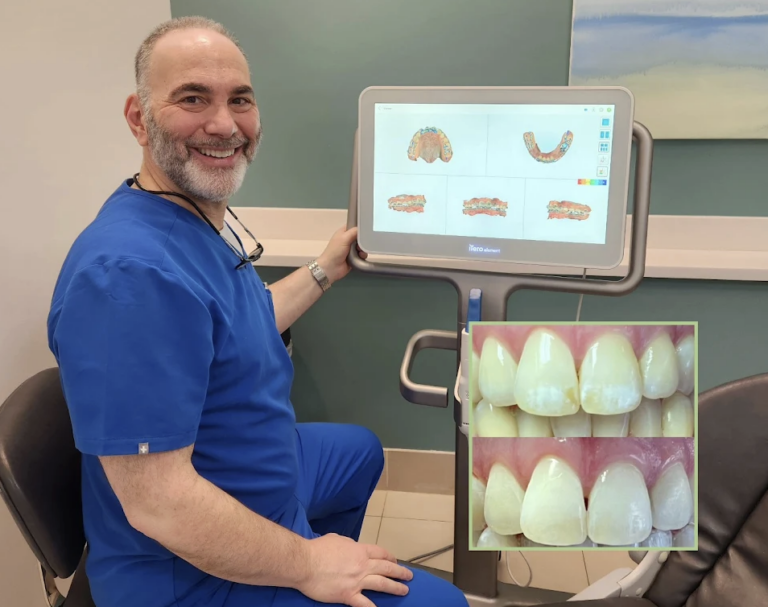
Dr. Jonathan Petrover beside a digital scanner showing a 3D scan of teeth

You can read about Invisalign at our Wellington office, clear aligner treatment in Boynton Beach, metal and ceramic braces at our Wellington office or braces treatment in Boynton Beach. Or call Wellington at (561) 795-3055 or Boynton Beach at (561) 364-0013.

Frequently asked questions

Is Invisalign better than braces?
Neither is better for everyone. The AAO says your orthodontist may recommend aligners, braces or a combination, and that “some cases are treated more predictably with braces.” For simple cases, a 2025 review of clear aligners in general found aligners and braces both worked well, though it rated the evidence as low quality.
Is Invisalign cheaper than braces?
Not necessarily. Invisalign.com, the manufacturer’s site, says the cost is “comparable to the cost of braces.” CareCredit, a financing company, says clear aligners cost “about the same as braces” on a page that cites its 2023 cost study. Your own fee depends on your case.
Can Invisalign fix an overbite or crossbite?
It may. Writing about clear aligners in general, the AAO lists overbite, underbite, open bite and crossbite among the most common conditions treated by aligners. It also says clear aligners aren’t right for everyone, so an exam decides.
Is Invisalign a good choice for a teenager?
It depends on your teen’s bite and on whether the aligners will be worn as prescribed, so the orthodontist decides at the exam. The AAO says success “heavily relies on your compliance,” and its clear aligners page says each aligner is typically worn “at least 22 hours a day.”
Does insurance cover Invisalign the same as braces?
Usually, if your plan includes orthodontics. The AAO says such plans “usually cover both traditional braces and clear aligners equally,” but each plan is different, so check your benefits.
Important: This article is for general educational purposes only and is not a substitute for professional orthodontic, dental, or medical advice. Always consult your orthodontist or a qualified provider for personalized guidance about your smile, treatment options, and oral health. If you have any concerns, please contact Petrover Orthodontics directly.

Reception desk and waiting lounge with white armchairs

How Much Does Invisalign Cost in Florida? (With and Without Insurance)

How Much Does Invisalign Cost in Florida? (With and Without Insurance)

At a glance

  • Florida average: $5,577 for clear aligners before insurance, according to a 2023 study for CareCredit, a healthcare financing company. The national average in the same study is $5,108.
  • Your doctor sets the fee. Invisalign.com says the cost depends on how complex your case is and how many aligners you need, and that in most cases it’s comparable to the cost of braces.
  • Insurance can help. Invisalign.com says many dental plans cover Invisalign the same way they cover braces, though limits apply (see below).
  • Petrover Orthodontics doesn’t quote a set Invisalign fee. Your exact fee comes after a consultation and treatment plan.
  • What’s included: our cost page says diagnostic records, appliances, retainers and follow-up appointments are all included in your treatment plan.

You’d like a number before you book a consultation, and that’s fair. The catch is that a price range on its own doesn’t tell you where it came from. The figure in the box above, $5,577, is the most specific one with a named source, but hold it loosely: CareCredit is a healthcare financing company, the average covers clear aligners in general rather than Invisalign alone, and it’s before any insurance.

The Florida average for clear aligners, and its limits

CareCredit’s page lists an average clear aligner cost for all 50 states and the District of Columbia, excluding any potential insurance coverage. Its footnotes say the figures come from research a market research firm conducted in 2023 on behalf of CareCredit. The page doesn’t publish a sample size or survey method, so there’s no way to tell how many practices or patients stand behind the Florida figure.

Within those limits, two things stand out in the 2023 CareCredit table. The $469 difference is our subtraction, not CareCredit’s:

  • Florida is above the national figure. Florida’s $5,577 average is $469 more than the study’s 2023 national average of $5,108 for clear aligners.
  • Location moves the number. State averages in the table run from $3,668 in Utah to $6,516 in Rhode Island, and CareCredit’s own page says the national cost can vary between $1,800 and $8,100 depending on where you are in the U.S.

What the average can’t tell you is what Invisalign itself costs (the study covers clear aligners generally), what fees look like in Palm Beach County, or what a practice includes in its price. Treat it as broad historical context, not as a benchmark for judging an individual quote.

Want a number for your own teeth?

Your exact fee comes from a consultation and treatment plan. Book a consultation, or call Wellington at (561) 795-3055 or Boynton Beach at (561) 364-0013.

What sets the price of Invisalign treatment

Align Technology, the company behind Invisalign, says on its Invisalign cost page that “Pricing is independently determined by the doctor and may vary based on your case.” It names two things your doctor weighs: how complex your case is and how many aligners you need.

The American Association of Orthodontists (AAO) makes a similar point about orthodontic treatment in general: costs are influenced by the type, complexity, and duration of treatment.

The AAO also says some orthodontists offer all-inclusive pricing, covering all appointments (including emergency visits) and post-treatment retainers, and it advises you to “ask what is included in the quoted price and what isn’t.”

Invisalign vs braces: how the cost compares

Invisalign.com says, “In most cases, the cost of Invisalign treatment is comparable to the cost of braces.” CareCredit’s page makes the same point, saying the cost of clear aligners “is about the same as braces.” Both are general statements, not a promise about any one practice’s fees.

If you’d like the braces side in numbers, our guide to how much braces cost in Florida sets out CareCredit’s averages for metal braces and its national figures by type. Our side-by-side of how metal, ceramic and Invisalign compare covers how each type works and how to choose. For a head-to-head on fit, daily life and cost, see Invisalign vs braces.

What Petrover Orthodontics publishes about cost

We don’t quote a set Invisalign fee. Our cost of treatment page has a section headed “What Will Braces or Invisalign Cost at Petrover Orthodontics?”, but the examples under it are grouped as comprehensive or limited treatment, not by appliance, so they aren’t an Invisalign price. They’re there to give you an idea of how costs might be structured.

Here’s what the page shows. Every example is a monthly figure with a $500 down payment. Down payments can vary, so ask what yours would be. For comprehensive treatment, it lists $190 to $250 a month without orthodontic benefits, and $140 to $190 a month with $1,500 of orthodontic benefits. For limited treatment, it lists $135 to $275 a month without benefits, and $20 to $150 a month with $1,500 of benefits. The page calls these “a rough ballpark” and adds: “Your fees could be less or more, depending on the complexity of the treatment needed.”

A few things to keep straight:

  • They’re monthly figures, not totals. The page doesn’t say how many payments a plan runs, so multiplying a monthly figure by a guess won’t give you a real total.
  • The accurate fee comes later. The page says we can only give an accurate fee for your treatment once we’ve done a consultation and treatment plan.
  • What’s included matters as much as the monthly figure. The page says diagnostic records, the necessary appliances throughout treatment, retainers, and follow-up appointments are all included in your treatment plan.

Invisalign cost with insurance

Invisalign.com says many dental insurance plans cover Invisalign treatment the same way they cover braces, and that a plan may pay a percentage of the treatment or a set dollar amount. It adds that you may be covered up to $3,000 for orthodontic treatment. That is a figure from Invisalign’s published insurance information, not a universal insurance limit or a prediction of what your plan will pay. The footnote behind it cites OrthoFi data from calendar year 2021 on insured U.S. patients who used OrthoFi’s insurance verification tool, and their coverage averaged $1,772. That’s data the manufacturer reports.

FAIR Health’s guide to paying for orthodontics says plans that cover orthodontics “often pay up to 50 percent of the charge.” It adds that coverage is typically limited to children, that there’s often a lifetime maximum, and that the lifetime maximum is usually separate from the yearly maximum for other dental care. If you’re an adult, check first whether your plan covers orthodontics at all.

The AAO suggests asking your insurer about the percentage covered, any lifetime maximum or age limit for orthodontic coverage, and whether your orthodontist needs to be in-network. For the wider picture, see our explainer on how orthodontic insurance coverage works.

Our payment and insurance page says our team verifies your orthodontic benefits before you begin and files all claims on your behalf, and that we work with most PPO plans.

Invisalign cost without insurance, and other ways to pay

Without an orthodontic benefit, you pay the fee yourself, so how it’s spread out matters. These are the routes to ask about:

  • Financing. Our cost page says we offer interest-free financing options, customized to your budget, and our payment page adds in-house financing with auto-pay. Ask which options are interest-free and what your down payment would be.
  • Discounts. Our payment page lists family and sibling discounts and pay-in-full savings. The AAO notes that some practices discount for upfront payment, family members starting together, or referrals, so ask any office you’re comparing.
  • HSA or FSA. Invisalign.com says you can use your FSA or HSA to pay for Invisalign treatment. IRS Publication 502 includes braces in its description of dental treatment but doesn’t name aligners, so check your plan’s terms. We’re HSA/FSA friendly, and our payment page says we’ll provide everything you need for reimbursement.
  • Florida Medicaid, for those under 21. Florida’s Agency for Health Care Administration lists orthodontic treatment among the dental services Medicaid reimburses for recipients under 21, with eligibility based on medically necessary dental services. It isn’t on the list for adults 21 and over, and the page doesn’t mention aligners. Florida’s Medicaid managed care site says dental services are delivered through a dental plan. Ask your plan what it covers, and ask any orthodontic office whether it accepts your plan.

Questions that make two Invisalign quotes comparable

Take these to any consultation, ours included, so two quotes compare like with like:

  1. What’s the total fee, and how is it split? Ask for the full treatment fee, the down payment, the monthly amount, and the number of payments. A lower monthly figure spread over more payments isn’t necessarily a lower price.
  2. What’s included? Records and scans, the aligners, check-in visits, retainers after treatment, and replacement or additional aligners if you need them, including what happens if one is lost or cracked.
  3. Which treatment is being quoted? Comprehensive or limited, and Invisalign or another appliance.
  4. How will my insurance be applied? Ask whether the office is in-network, whether it files claims for you, and how your lifetime maximum and any age limit affect what you’ll pay.
  5. Is the financing interest-free, and which discounts apply to me? Paying in full, siblings in treatment, or referrals.

Your next step: an exact fee at a consultation

An average can only take you so far.

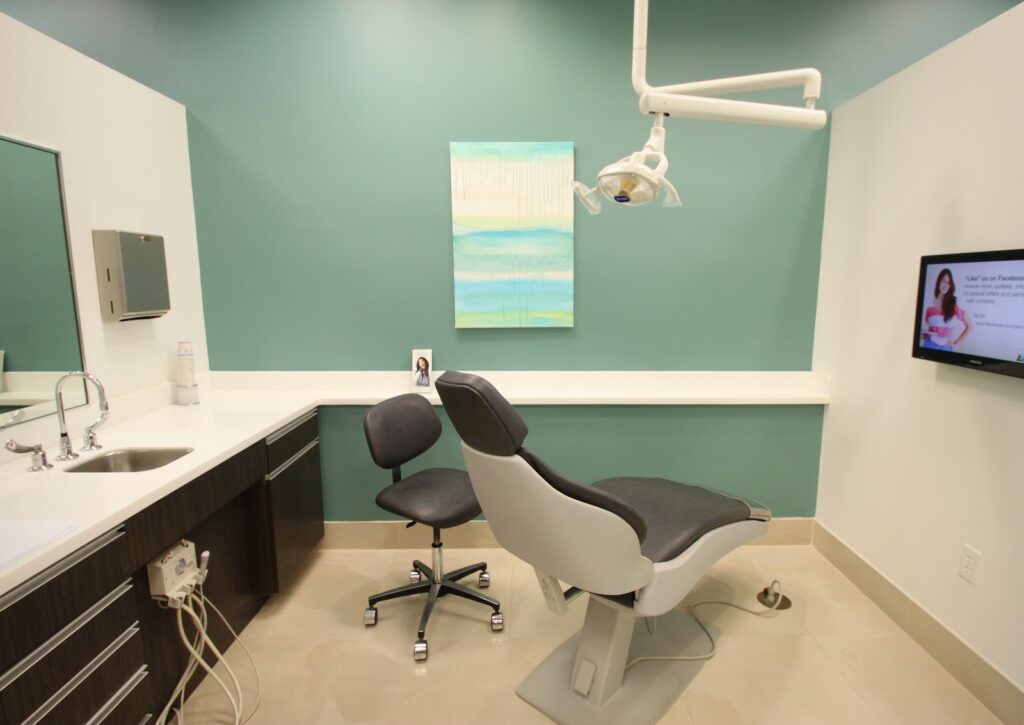
Orthodontic treatment chair in a bright treatment room at Petrover Orthodontics

Our payment page says your first visit includes a full orthodontic exam and any needed digital X-rays, a one-on-one consult with Dr. Jonathan Petrover, one clear, all-inclusive price, and a custom payment plan built around your budget and timeline. You can start with Invisalign in Wellington or Invisalign in Boynton Beach, or call Wellington at (561) 795-3055 or Boynton Beach at (561) 364-0013. Bring the questions above with you.

Frequently asked questions

How much does Invisalign cost in Florida without insurance?
CareCredit, a healthcare financing company, puts the 2023 average cost of clear aligners in Florida at $5,577, excluding insurance, against a 2023 national average of $5,108. That covers clear aligners generally. Invisalign.com says your doctor sets the price based on your case, so your own fee comes from a consultation.
Is Invisalign more expensive than braces?
Not necessarily. Invisalign.com says that in most cases the cost of Invisalign treatment is comparable to the cost of braces, and CareCredit’s page says clear aligners cost about the same as braces. Our cost page’s monthly examples are grouped by treatment type, not by appliance, so they don’t compare the two.
How much will dental insurance pay toward Invisalign?
It depends on your plan. Invisalign.com mentions potential coverage of up to $3,000 and cites 2021 OrthoFi data in which coverage averaged $1,772 among insured U.S. patients who used OrthoFi’s verification tool. Neither figure establishes a universal plan maximum or predicts your coverage. FAIR Health says plans that cover orthodontics often pay up to 50 percent of the charge, that coverage is typically limited to children, and that there’s often a lifetime maximum. Our team verifies your benefits and files the claims for you.
Can I use my HSA or FSA for Invisalign?
Check first. Invisalign.com says FSA and HSA funds can be used for Invisalign treatment, while IRS Publication 502 names braces, not aligners, so confirm with your plan. Petrover Orthodontics is HSA/FSA friendly and provides everything you need for reimbursement.
Does Florida Medicaid pay for Invisalign?
Florida’s Agency for Health Care Administration lists orthodontic treatment among the dental services Medicaid reimburses for recipients under 21, with eligibility based on medically necessary dental services. It isn’t listed for adults, and the state’s page doesn’t mention aligners. Ask your Medicaid dental plan what it covers, and ask any office whether it accepts your plan.
Important: This article is for general educational purposes only and is not a substitute for professional orthodontic, dental, or medical advice. Always consult your orthodontist or a qualified provider for personalized guidance about your smile, treatment options, and oral health. If you have any concerns, please contact Petrover Orthodontics directly.