Dry Mouth With Braces
At a glance
- A 2023 systematic review found the research on braces and saliva flow is mixed and too limited for firm conclusions.
- The ADA lists a sticky, dry feeling and bad breath among the signs of dry mouth, and says reduced saliva can raise the chance of cavities.
- The ADA and NIDCR suggest sipping water and sugar-free gum or candy; ask your orthodontist which are okay with braces, and avoid mouthwash that contains alcohol.
- The ADA says symptoms may worsen at night, and the NIDCR suggests using a humidifier at night.
Dry mouth during orthodontic treatment is worth mentioning to your orthodontist. The ADA lists bad breath among its signs and says reduced saliva can increase the chance of cavities. Below is what published sources say about dry mouth with braces, and which questions to take to your orthodontist, dentist or doctor.
Do Braces Actually Cause Dry Mouth, or Is Something Else Going On?
Research hasn’t settled this. A 2023 systematic review of seven small studies, published in the Turkish Journal of Orthodontics, found that stimulated saliva flow tended to increase during treatment with fixed braces, while unstimulated flow changed in different ways. The authors concluded that the evidence is insufficient to draw definitive conclusions.
Mayo Clinic lists snoring and breathing with the mouth open among the causes of dry mouth. If you notice that you or your child breathes through the mouth, especially at night, ask your orthodontist or doctor about it.
Dry mouth is also called xerostomia. The ADA lists possible causes including dehydration, medication use, cancer treatment, autoimmune diseases and other chronic diseases, and says the most frequent cause of reduced saliva is certain medications.
Signs and Symptoms of Dry Mouth to Watch For
Signs of dry mouth listed by the American Dental Association and Mayo Clinic include:
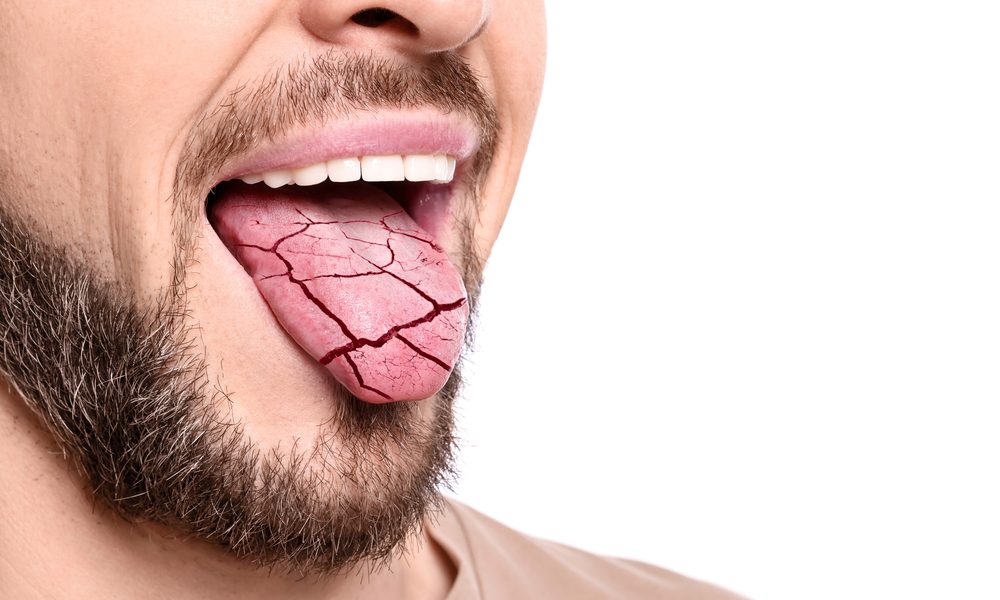
- A sticky, dry, or burning feeling in the mouth
- Thick or stringy saliva
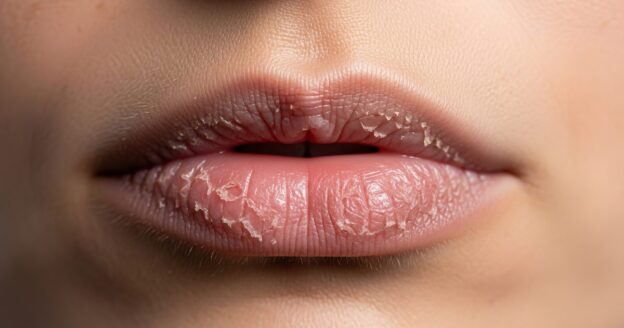
- Cracked lips or sore corners of the mouth
- Bad breath
- A dry or sore throat
- Trouble chewing, swallowing, or speaking
- A changed sense of taste
- Mouth sores
If your teen is worried about bad breath, mention it to your orthodontist or dentist; the ADA lists bad breath as one sign of dry mouth.
Why Dry Mouth Matters With Braces
The NIDCR says saliva washes away food particles from the teeth and gums and contains minerals such as calcium and phosphate that help keep teeth strong and fight tooth decay. The ADA says reduced saliva flow can increase the chance of cavities and demineralization of teeth. The 2023 review of saliva during orthodontic treatment also notes that the areas around brackets are difficult to clean, and that plaque held there may cause white spot lesions and gum inflammation.
White spot lesions are areas of enamel demineralization. A 2023 consensus statement in The Angle Orthodontist reports that studies have found white spots developing in about 23% to 76% of orthodontic patients, varying with factors such as oral hygiene and treatment duration, and that untreated white spots can progress to cavities. Ask your orthodontist how to lower the risk during treatment.
Products and Habits That May Help
The ADA, NIDCR and Mayo Clinic list several self-care steps for dry mouth. With braces, remember the advice to avoid sticky, hard or chewy foods, and check with your orthodontist before adding gum or candy.
Start with daily habits:
- Sip water through the day, as the ADA, NIDCR and Mayo Clinic suggest. A water bottle in the school bag makes this easy.
- The ADA and NIDCR list sugar-free gum and sugar-free candy as ways to stimulate saliva. Ask your orthodontist before using either with braces. The ADA also notes that while chewing gum was shown to increase saliva, a Cochrane review it cites found no strong evidence that dry-mouth symptoms improved.
- Keep brushing: the ADA’s dry-mouth advice includes brushing gently at least twice a day with fluoride toothpaste. The best toothbrush with braces guide covers the details.
Mayo Clinic names some dry-mouth products. If you try one, follow its label:
- A dry-mouth rinse. Mayo Clinic says not to use a mouthwash that contains alcohol, and names ACT Dry Mouth among rinses designed for dry mouth. The ACT Total Care Dry Mouth label lists it for adults and children 6 and older, says to spit it out and not swallow it, says to supervise children as necessary, and says children under 6 should consult a dentist or doctor. It also says to keep it out of reach of children and to get medical help or contact a Poison Control Center right away if more than used for rinsing is swallowed. The NIDCR suggests asking your dentist whether you need a fluoride mouthrinse.
- Biotene Dry Mouth Oral Rinse, which Mayo Clinic also names. Its maker says it is alcohol-free, lists it for adults and children over 12, and says to spit it out, so ask your dentist or orthodontist before using it with a younger child.
- Saliva substitutes, sold without a prescription. The ADA says they don’t cure dry mouth but can provide temporary relief. Check the label for age directions, and ask a pharmacist or dentist before using one with a child.
Keep expectations modest: the ADA cites a 2011 Cochrane review that found no strong evidence that any specific dry-mouth spray, lozenge, rinse, gel, gum or toothpaste was effective for relieving symptoms.
Easing Dry Mouth at Night With Braces
The ADA says dry mouth symptoms may worsen at night because saliva output is at its lowest during sleep, and that mouth breathing can make this worse. Steps the NIDCR and Mayo Clinic suggest:
- Ask about mouth breathing. Mayo Clinic says you may need treatment for snoring if it causes you to breathe through your mouth at night, so raise snoring or a blocked nose with your doctor. Mayo also lists nonprescription antihistamines and decongestants among products that can worsen dry mouth, so ask a doctor or pharmacist before using them.
- Run a humidifier in the bedroom at night, as the NIDCR and Mayo Clinic suggest.
- Adhering discs such as XyliMelts are sold for dry mouth, including use while sleeping. The maker says the disc sticks to the teeth or gums and slowly releases xylitol, and warns it is not recommended for children under 5 because of the risk of choking. Ask your orthodontist before using one with braces, and check with your dentist or doctor before using one for a child.
- Keep water at the bedside; the NIDCR suggests keeping water nearby day and night and taking small sips.
If chronic congestion or snoring is part of the picture, raise it with your doctor.
Foods and Habits That Make Dry Mouth Worse
The NIDCR and Mayo Clinic suggest limiting a few things when your mouth is dry:
- Sugary or acidic foods and drinks, which Mayo Clinic says raise the risk of tooth decay. The NIDCR suggests choosing sugar-free options.
- Caffeine, which the NIDCR says can dry out the mouth and lead to dehydration, so go easy on coffee, tea and some sodas.
- Alcohol, which the NIDCR says dries out the mouth, and spicy or salty foods, which it says may cause pain or burning in a dry mouth.
- Tobacco, which the NIDCR says dries out the mouth.
Is Dry Mouth Different With Invisalign or Clear Aligners?
If you notice dryness with aligners, mention it to your orthodontist. On white spots, two reviews, from 2022 and 2023, report fewer white spot lesions with clear aligners than with fixed braces in most of the studies they included, possibly linked to less plaque because aligners can be removed for cleaning. Both reviews say the results should be interpreted with caution.
If you’re weighing your options, our Invisalign page covers what to expect.
When to Bring It Up With Us and When to See a Doctor
Mention dry mouth to your orthodontist at your next visit, even if it feels minor. Call your orthodontist sooner, rather than waiting it out, if you notice white spots, sore gums, or sores around the brackets that aren’t getting better. If you or your child are in pain or something doesn’t look right, call the office; the practice’s emergency care page says that with swelling or severe pain, go to the nearest emergency room or urgent care first.
The NIDCR advises seeing your dentist or doctor to find out why your mouth is dry, and Mayo Clinic says to make an appointment if dry mouth symptoms don’t go away. The NIDCR lists dry mouth and dry eyes as the main symptoms of Sjogren’s disease, an autoimmune disorder, so mention both if you have them. The NIDCR also says hundreds of medicines can cause dry mouth, including some for high blood pressure and depression, and Mayo Clinic adds some antihistamines and decongestants. If you or your child takes any medicine, ask the prescribing doctor or a pharmacist whether it could be playing a part, and don’t stop or change a medicine without their advice.
Not a patient yet and have questions about braces or aligners? Schedule a free consultation.
Near one of our offices? See braces in Wellington or braces in Boynton Beach.
Dry Mouth With Braces: Frequently Asked Questions
Is dry mouth normal when you first get braces?
Do braces cause dry mouth?
How do I stop dry mouth from braces?
Does dry mouth from braces go away?
What’s the best mouthwash for dry mouth with braces?
Can dry mouth affect how long treatment takes?
