Braces in Wellington, FL, With an Orthodontic Specialist
Petrover Orthodontics fits metal, ceramic and In-Ovation self-ligating braces at our Wellington office on South State Road 7. Dr. Jonathan Petrover has practiced as an orthodontic specialist for more than 20 years. Your first consultation is free.
- 20+ years as an orthodontic specialist
- Free consultation, a $249 value
- Wellington office on South State Road 7
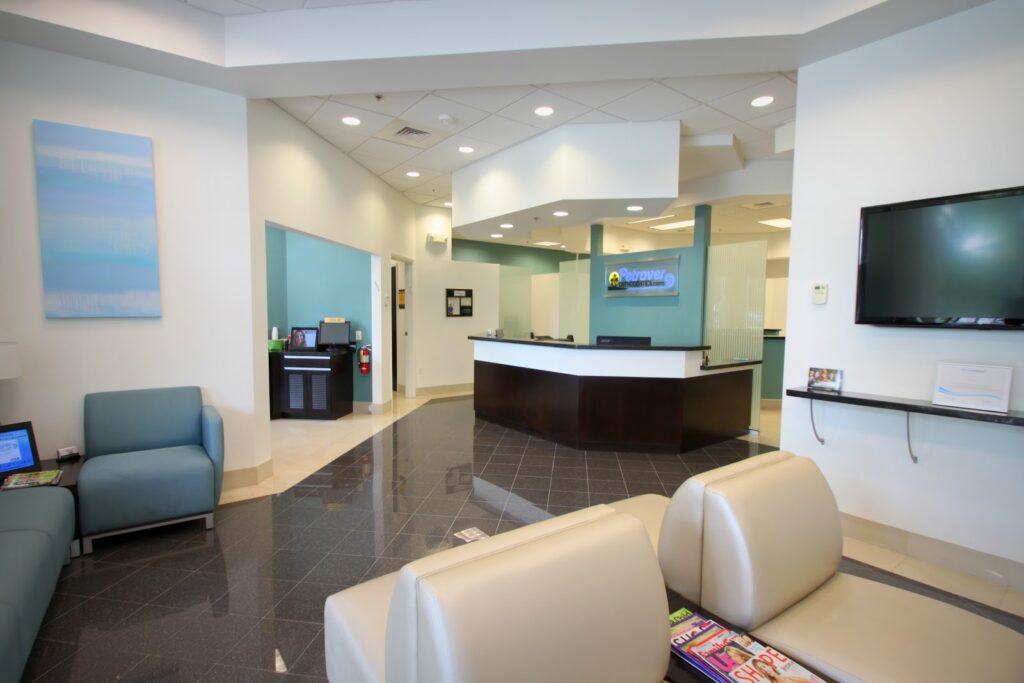
Our braces patients come from Wellington and the communities around it, from Royal Palm Beach to Greenacres and Lake Worth Beach. Some are teenagers whose dentist has finally said the word braces out loud. Some are adults who’ve spent years half-covering their smile in photographs and have decided this is the year they get that confidence back. The route in is the same for both: one free visit with Dr. Petrover, a proper look at your teeth and your bite, and you go home knowing what treatment would involve and what it would cost, without committing to anything.
Why Wellington Patients Choose Petrover Orthodontics for Braces
Dr. Petrover treats every patient here personally.
Who is Dr. Petrover?
Orthodontics has been Dr. Jonathan Petrover’s only specialty for more than 20 years. He’s a member of the American Association of Orthodontists and three more Florida and regional orthodontic societies, and he takes 12 to 18 continuing education courses a year to stay current as brackets, wires and scanners change.
He sees patients at our Wellington orthodontic office and at our Boynton Beach office, and he’s transformed thousands of smiles across the two.
A specialist, not a side service
An orthodontist is a dental specialist: dental school first, then two or more years of full-time study in an accredited specialty program on top of it. The American Association of Orthodontists puts that extra training at 3,700 hours in the science of moving teeth.
What Makes Braces at Our Office Different
The braces themselves often aren’t what people dread. It’s the impressions, the billing, and what happens when a wire pokes at 8pm.
Digital scans, not putty trays
We take digital impressions with an iTero Scanner instead, which takes a few minutes and leaves nothing to gag on. You’ll watch your teeth appear on the screen in 3D while the scan runs.
Everything is included in your fee
Your fee is one number, agreed before you start, covering:
- your records and x-rays
- every appliance you need along the way
- your retainers when the brackets come off
- follow-up visits
We don’t add fees on afterward. If you’re comparing quotes, ask what each one includes.
If a bracket breaks or a wire pokes
If there’s facial trauma, swelling, uncontrolled bleeding or severe pain, go to the nearest emergency room or urgent care first. Otherwise, cover a sharp wire with orthodontic wax. If a bracket comes loose but is still on the wire, leave it there and wax over it, and if it comes off completely, save the bracket. Call us either way, and we’ll book you in to fix it. After hours, call us the next business day. Our page on a broken bracket or a poking wire covers the rest.
How Braces Work, From First Visit to Retainer
The American Association of Orthodontists describes how braces work as brackets and wires that put pressure on teeth to move them gradually into better positions, and says most people wear braces for 12 to 24 months. Treatment here usually takes about 18 to 24 months, though it will vary with your case. Our braces overview page covers the general picture, and here’s the Wellington version.
The types of braces we fit
| Type of braces | How visible | Who it tends to suit | Notes |
|---|---|---|---|
| Metal braces | Visible | Anyone who wants the most straightforward option, at any age | Handles complicated bites. Colored elastic ties, picked fresh each visit. |
| Ceramic braces | Tooth-colored, low-key | Adults and teens who’d rather their braces stayed quiet | Same mechanics as metal, in brackets that blend with your teeth. |
| In-Ovation self-ligating | Visible, in metal or a more discreet ceramic | Patients who’d rather the wire sat in a built-in clip than under elastic ties | Available here in both versions. |
Dr. Petrover will tell you which one’s right for your bite. If you’d rather read up first, we compare metal, ceramic and clear options in more detail.
What your first visit looks like
Your first visit is a free comprehensive consultation, a $249 value. It includes an initial exam, digital x-rays and a full discussion of your options with Dr. Petrover, who explains what he sees in plain language. You’ll leave with a treatment plan and the fee for it.
Day to day in braces
You’ll come back for adjustments, and the AAO puts those visits at every 4 to 12 weeks depending on where you are in the plan. They’re short. Between visits, two habits change. You’ll brush more carefully, because food traps around brackets. And you’ll skip anything sticky, hard or chewy, so ice, hard candy and caramel are out, and apples get cut into slices. A broken bracket means an extra repair visit, and repeated breakages can delay treatment. Picking your elastic colors is the part a lot of teenagers look forward to.
After your braces come off: retainers
Teeth don’t stay put on their own, so bracket-removal day isn’t the finish. A retainer holds the result. Our retainers page covers what happens after your braces come off.
Ready to start your smile?
We’ll show you your best options, with no surprises and no pressure.
Prefer to call our Wellington office?
(561) 795-3055
Monday to Thursday, 8am to 5pm
2465 S State Road 7, Suite 600
Are Braces Right for You, and What Do They Cost in Wellington?
Who braces work well for
Braces suit crowded teeth, gaps, and bites that don’t meet the way they should. Age matters less than people expect. Teeth move because the bone around them remodels, and that can happen at any age, though adult treatment can need more planning. Our page on braces for adults in Wellington has more. Some cases are treated more predictably with fixed braces than with aligners.
What can hold treatment up
Very little rules anybody out for good, but treatment often can’t begin until conditions like gum disease or decay have been treated by your dentist. If something needs doing first, the exam finds it, and we’ll tell you exactly what it is.
What braces cost, and how insurance fits
There’s no single price for braces, because the fee tracks the case: the distance your teeth have to travel, the appliance you pick, and the months it takes. Here’s how our fees are structured.
| Treatment | Orthodontic Benefits in one’s Dental Insurance | Per month | Down payment |
|---|---|---|---|
| Comprehensive Treatment | without Orthodontic Benefits | $190 – $250 | $500 |
| Comprehensive Treatment | with $1500 of Orthodontic Benefits | $140 – $190 | $500 |
| Limited Treatment | without Orthodontic Benefits | $135 – $275 | $500 |
| Limited Treatment | with $1500 of Orthodontic Benefits | $20 – $150 | $500 |
Those are examples, not a quote. We can only give you an accurate fee once we’ve done a complimentary consultation and treatment plan. If your plan includes orthodontic coverage, it can lower your fee, so we’ll check your orthodontic benefit before you begin and file the claims on your behalf. We work with most PPO plans, including Aetna, Cigna, UnitedHealthcare, Assurant, Guardian, MetLife, Humana, Delta Dental and Solstice. There’s more on the plans we work with, and whatever your plan covers, the rest is spread monthly.









Braces, Clear Aligners and Your Next Step
Braces or Invisalign?
Braces can treat most orthodontic problems, and clear aligners are effective for many, though whether they suit you depends on your case. Aligners also come out for meals, which suits some people and irritates others. We fit clear aligners at the same Wellington office, and Dr. Petrover goes through both at your consultation.
If your child needs braces
Braces for kids and teens in Wellington covers first check-ups and what’s worth doing early.
Our office
Petrover Orthodontics, Wellington
2465 S State Road 7, Suite 600
Wellington, FL 33414
Phone: (561) 795-3055
Monday to Thursday, 8am to 5pm. Closed Friday.
Get directions Call (561) 795-3055
The themes Wellington patients mention in their Google reviews include the welcoming staff, how comfortable the office feels and thorough explanations.
Google reviews of our Wellington office
Wellington Braces FAQs
How much do braces cost in Wellington?
Is 20 too late for braces?
What disqualifies you from braces?
How painful are braces on a scale of 1 to 10?
Can teeth move 10 years after braces?
This page is general information about orthodontic treatment, not medical or dental advice, and reading it doesn’t create a doctor-patient relationship. Results vary from patient to patient, and whether braces suit you can only be decided after an in-person exam. The payment figures shown are the examples published on our cost of treatment page, not a quote. Please speak with Dr. Petrover or another qualified orthodontist about your own care.
THE PATIENT AND ANY OTHER PERSON RESPONSIBLE FOR PAYMENT HAS A RIGHT TO REFUSE TO PAY, CANCEL PAYMENT, OR BE REIMBURSED FOR PAYMENT FOR ANY OTHER SERVICE, EXAMINATION, OR TREATMENT THAT IS PERFORMED AS A RESULT OF AND WITHIN 72 HOURS OF RESPONDING TO THE ADVERTISEMENT FOR THE FREE, DISCOUNTED FEE, OR REDUCED FEE SERVICE, EXAMINATION, OR TREATMENT.